
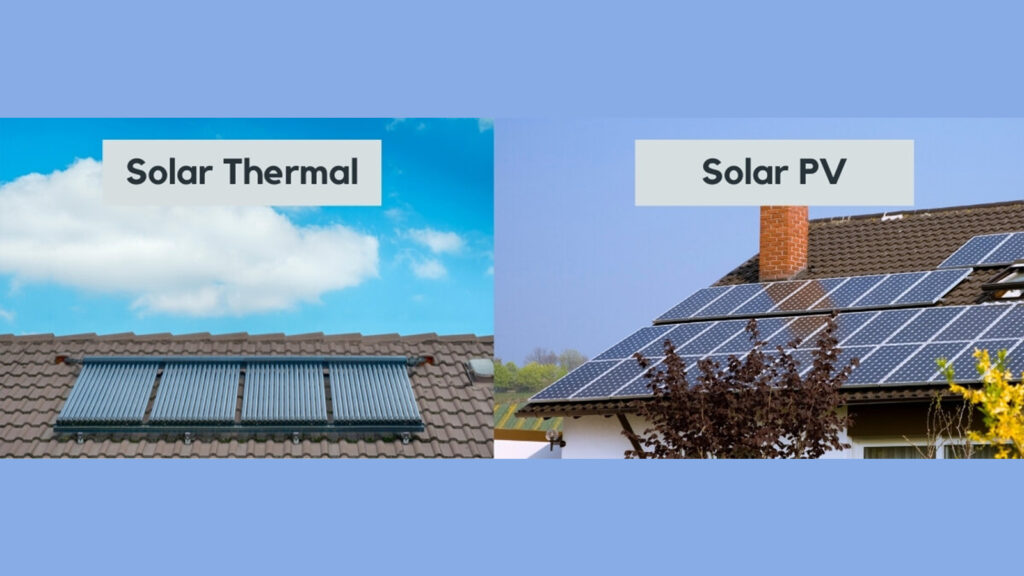
When it comes to harnessing energy from the sun, two technologies that often come up in conversation are solar photovoltaic (PV) systems and solar thermal systems. While both use solar energy to produce power or heat, there are significant differences between them. In this article, we’ll delve into the key differences, benefits, and drawbacks of each technology, helping you make an informed decision about which one is right for your needs.
What’s the Difference Between Solar Photovoltaic and Solar Thermal Systems?
In a nutshell, solar PV systems produce electricity, while solar thermal systems generate heat. The electricity produced by solar PV systems can be used to power your home, charge your electric vehicles, or feed into the grid, earning you credits on your utility bill.
Solar thermal systems, on the other hand, use the sun’s energy to produce hot water or space heating, which can be stored for later use.
Benefits and Drawbacks of Solar Photovoltaic Systems
Solar PV systems have several benefits:
- Renewable Energy Source: Solar PV systems harness renewable energy from the sun, reducing your reliance on fossil fuels.
- Energy Savings: By generating your own electricity, you can significantly reduce your energy bills.
- Increased Property Value: Installing solar PV panels can increase your property value and potentially boost your sale price.
However, there are also some drawbacks to consider:
- High Upfront Costs: Solar PV systems can be expensive to install, although the cost has decreased over the years.
- Intermittent Energy Source: Solar PV energy is only available during daylight hours and when the sun is shining.
- Space Requirements: Solar PV panels require a significant amount of space, which can be a challenge for smaller properties.
Benefits and Drawbacks of Solar Thermal Systems
Solar thermal systems also have their advantages:
- Space Heating and Water Heating: Solar thermal systems provide efficient and affordable space heating and water heating.
- Long-Lasting Energy Source: Solar thermal systems can operate for decades with minimal maintenance.
- Low Operating Costs: Once installed, solar thermal systems require very little energy to operate.
However, there are also some drawbacks to consider:
- Higher Upfront Costs: Solar thermal systems can be more expensive than solar PV systems, although the cost has decreased over the years.
- Space Requirements: Like solar PV systems, solar thermal systems require a significant amount of space.
- Limited Energy Output: Solar thermal systems produce heat, not electricity, so they’re not suitable for all applications.
Choosing Between Solar Photovoltaic and Solar Thermal Systems
When deciding between solar photovoltaic and solar thermal systems, consider the following factors:
- Your Energy Needs: If you require electricity for your home or business, a solar PV system might be more suitable. However, if you need space heating and water heating, a solar thermal system could be the way to go.
- Your Property Type: Solar PV systems are better suited for properties with south-facing roofs, while solar thermal systems can be installed on a variety of surfaces, including walls and pavements.
- Your Budget: Both solar PV and solar thermal systems require significant upfront investment. However, once installed, they can save you money in the long run.
In addition to these factors, it’s also important to consider your local climate and weather patterns when deciding between solar photovoltaic and solar thermal systems. In areas with high levels of cloud cover or shade, solar thermal systems may be more suitable as they don’t require direct sunlight.
Comparing the Cost-Effectiveness of Solar Photovoltaic and Solar Thermal Systems
While both solar PV and solar thermal systems offer long-term savings, the cost-effectiveness of each technology can vary depending on your specific circumstances. In general, solar PV systems tend to be more cost-effective in areas with high levels of sunlight and energy demand.
However, solar thermal systems can provide significant benefits in terms of energy efficiency and cost savings for heating water or space. To determine which system is most cost-effective for you, consider the following factors:
- The Cost of Installation: Both solar PV and solar thermal systems require significant upfront investment.
- The Cost of Energy: Solar PV systems generate electricity at a lower cost than traditional energy sources in many areas.
- The Cost of Maintenance: Solar thermal systems are generally less expensive to maintain than solar PV systems, as they have fewer moving parts.
Environmental Impact: The Benefits and Drawbacks of Solar Photovoltaic and Solar Thermal Systems
Both solar photovoltaic and solar thermal systems offer a cleaner alternative to traditional energy sources. However, their environmental impact can vary depending on the specific technology used.
Solar PV systems produce no emissions or pollution during operation, making them an attractive option for environmentally conscious individuals. However, the production of solar panels requires energy and resources, which can have negative environmental impacts if not sourced sustainably.
Solar thermal systems also offer a cleaner alternative to traditional energy sources, as they generate heat rather than electricity. This means that they require less energy to operate and produce fewer emissions during manufacturing.
However, solar thermal systems do require significant amounts of water for cooling, which can be a concern in areas where water is scarce.
Conclusion: Choosing Between Solar Photovoltaic and Solar Thermal Systems
In conclusion, both solar photovoltaic and solar thermal systems offer unique benefits and drawbacks. By understanding the differences between these two technologies, you can make an informed decision about which one is right for your needs and budget.
When deciding between a solar PV system and a solar thermal system, consider the following factors:
- Your Energy Needs: If you require electricity for your home or business, a solar PV system might be more suitable. However, if you need space heating and water heating, a solar thermal system could be the way to go.
- Your Property Type: Solar PV systems are better suited for properties with south-facing roofs, while solar thermal systems can be installed on a variety of surfaces, including walls and pavements.
- Your Budget: Both solar PV and solar thermal systems require significant upfront investment. However, once installed, they can save you money in the long run.
In addition to these factors, it’s also important to consider your local climate and weather patterns when deciding between solar photovoltaic and solar thermal systems. By carefully weighing the benefits and drawbacks of each technology, you can make an informed decision about which one is right for you.
Frequently Asked Questions
Q: Are solar PV and solar thermal systems compatible?
A: Yes, many solar PV systems are designed to work in conjunction with solar thermal systems. However, this may require additional installation and setup costs.
Q: Do I need a battery backup system to store excess energy generated by my solar PV or solar thermal system?
A: This depends on your specific energy needs and usage patterns. In some cases, a battery backup system can be beneficial for storing excess energy generated during periods of high sunlight or low demand.
Q: Can I use solar PV systems in conjunction with solar thermal systems to generate both electricity and heat?
A: Yes, many solar PV systems are designed to work in conjunction with solar thermal systems. This can provide significant benefits in terms of energy efficiency and cost savings.
In conclusion, both solar photovoltaic and solar thermal systems offer unique benefits and drawbacks. By understanding the differences between these two technologies, you can make an informed decision about which one is right for your needs and budget.


