
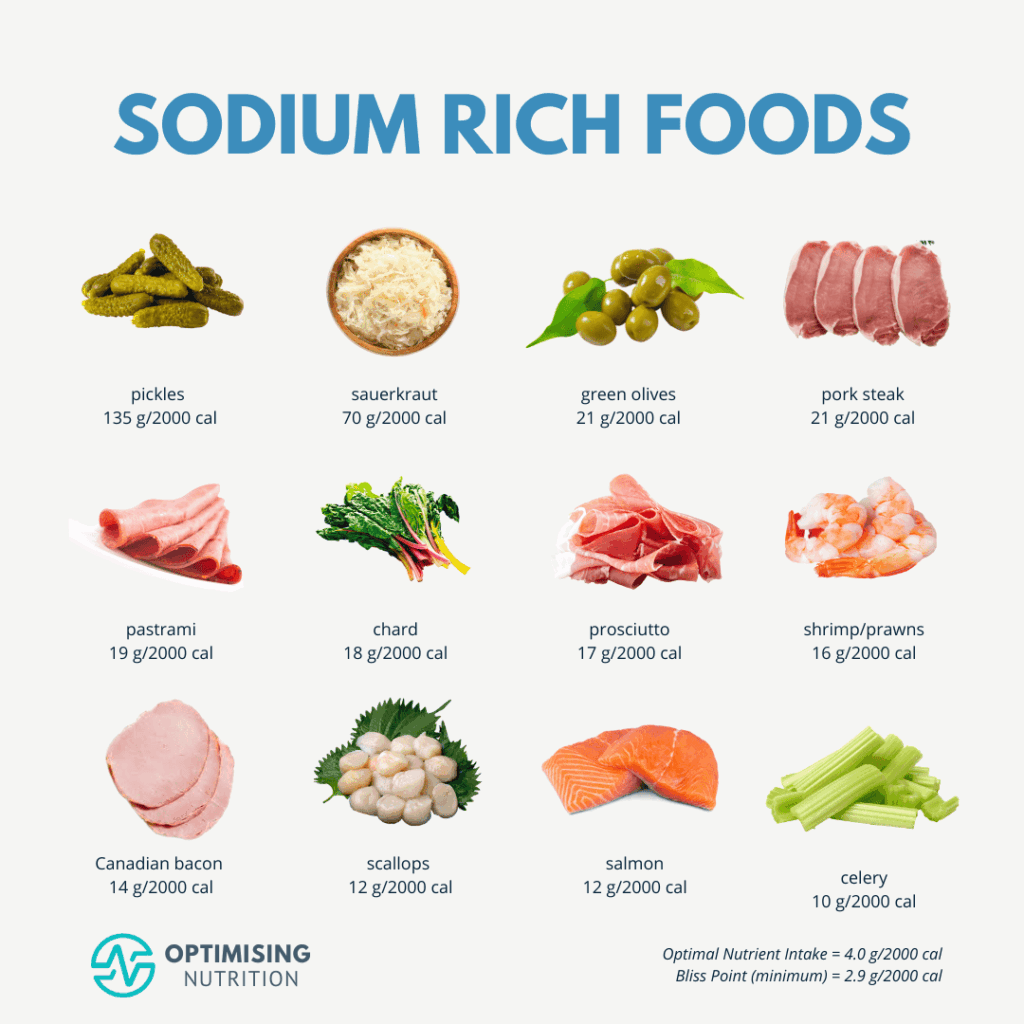
As we navigate the complex world of food, it’s easy to get caught up in the latest trends and products. However, one aspect that often gets overlooked is the amount of sodium in our diets. In this article, we’ll delve into the world of high-sodium foods, exploring what they are, why they’re a concern, and how to make healthier choices.
Understanding High-Sodium Foods
High-sodium foods are a major contributor to excessive salt intake in our diets. While it’s essential to consume some sodium daily, the American Heart Association recommends limiting daily intake to less than 2,300 milligrams (about 1 teaspoon). Exceeding this limit can lead to high blood pressure, heart disease, and stroke.
So, what are these high-sodium foods? Let’s take a closer look:
- Canned goods: Many canned products, such as beans, vegetables, and meats, contain high amounts of sodium. For example, canned tuna typically contains around 200-300 milligrams of sodium per 3-ounce serving.
- Processed meats: Cured meats like bacon, sausage, and ham are typically high in sodium. A single slice of cooked bacon can contain up to 250 milligrams of sodium.
- Bread and snacks: Crackers, pretzels, and many types of bread can be high in sodium. For instance, a single serving of crackers (about 28 grams) may contain around 200-300 milligrams of sodium.
- Condiments: Soy sauce, teriyaki sauce, and salad dressings often contain significant amounts of sodium. A single tablespoon of soy sauce can contain up to 250 milligrams of sodium.
The Risks of Excessive Sodium Intake
While some sodium is necessary for our bodies, excessive intake can lead to a range of health problems. These include:
- High blood pressure: Consuming too much sodium can put extra strain on the heart, leading to increased blood pressure.
- Heart disease: Excessive sodium intake has been linked to an increased risk of heart failure and stroke.
- Kidney damage: A high-sodium diet can lead to kidney strain and potentially cause chronic kidney disease.
Balancing Sodium Intake with Healthy Choices
The key is finding a balance between enjoying your favorite foods and making healthier choices. Here are some tips:
- Read labels: Be mindful of the sodium content in packaged foods and choose products with lower sodium levels.
- Cook at home: Preparing meals from scratch allows you to control the amount of salt used.
- Focus on whole foods: Emphasize whole, unprocessed foods like fruits, vegetables, lean proteins, and whole grains.
Sodium-Rich Foods: The Good, the Bad, and the Ugly
While it’s essential to limit high-sodium foods, some sodium-rich foods can be part of a balanced diet. These include:
- Merluzzo sotto sale: This Italian dish is made with salted cod, which is an excellent source of protein and omega-3 fatty acids.
- Salsa di soia: Many soy sauces are high in sodium, but some brands offer lower-sodium alternatives.
The Role of Sodium in Our Bodies
Sodium plays a vital role in our bodies. It helps regulate:
- Fluid balance: Sodium helps maintain the right amount of fluids within our cells and tissues.
- Blood pressure: Sodium can help control blood pressure by balancing out the effects of potassium.
- Muscle function: Sodium is necessary for muscle contractions and relaxation.
Reducing Sodium Intake with Healthy Recipes
Incorporating healthy recipes into your diet can help you reduce sodium intake. Here are some ideas:
- Baccalà con patate al forno: This Italian dish is made with salted cod, potatoes, and olive oil.
- Grilled chicken breast: Marinate chicken breasts in herbs and spices to add flavor without excess salt.
FAQs
Here are some frequently asked questions about high-sodium foods:
- Q: Can I reduce my sodium intake by avoiding processed foods?
A: While it’s true that processed foods tend to be higher in sodium, many whole foods can also be high in salt. - Q: How much sodium is too much?
A: The American Heart Association recommends limiting daily sodium intake to less than 2,300 milligrams. - Q: Can I still enjoy my favorite salty snacks if I’m trying to reduce my sodium intake?
A: Yes, many snack options are available that are lower in sodium or can be portion-controlled.
Additional Tips for Reducing Sodium Intake
- Season with herbs and spices: Instead of relying on salt to add flavor, try using herbs and spices to season your food.
- Use citrus juice: Adding a squeeze of lemon or lime juice can add flavor without adding sodium.
- Try low-sodium options: Many brands offer lower-sodium versions of their products. Look for these options when shopping.
Conclusion
High-sodium foods can be a hidden danger in our diets, but by understanding the risks and making informed choices, we can maintain a healthy diet while enjoying our favorite foods. By incorporating healthy recipes into your diet and being mindful of portion sizes, you can reduce your sodium intake and enjoy a healthier lifestyle.


