
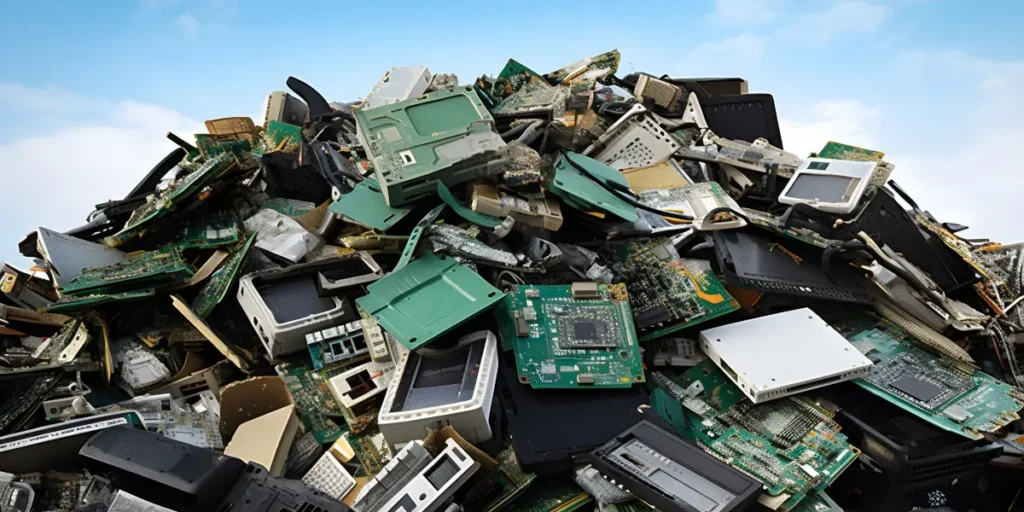
Electronic waste (e-waste) has become a significant environmental concern in recent years. The rapid obsolescence of electronic devices, combined with the lack of effective waste management infrastructure, has led to a staggering amount of hazardous waste being generated globally. In this article, we will delve into the world of e-waste, exploring its definition, causes, consequences, and solutions.
What is Electronic Waste?
Electronic waste refers to discarded electronic devices that no longer function. These items can include anything from smartphones and computers to televisions and refrigerators. The term e-waste encompasses a wide range of products, each with unique components and hazardous materials.
The Scale of the Problem
The statistics are alarming:
- Over 50 million metric tons of e-waste were generated globally in 2018 alone.
- The average lifespan of an electronic device is around 2-5 years.
- By 2030, the world is projected to have over 100 billion devices in use.
Causes of Electronic Waste
There are several factors contributing to the rapid generation of e-waste:
- Obsolescence: The rapid pace of technological progress leads to a short lifespan for electronic devices.
- Lack of awareness: Many consumers are unaware of the environmental impact of their disposal habits.
- Insufficient waste management infrastructure: Inadequate recycling facilities and collection systems exacerbate e-waste generation.
- Globalization and consumerism: The increasing demand for cheap electronics contributes to a culture of disposability.
Consequences of Electronic Waste
E-waste poses significant environmental risks:
- Toxic chemicals: Hazardous materials like lead, mercury, and cadmium contaminate soil, water, and air.
- Environmental pollution: E-waste can cause fires, explosions, and other safety hazards.
- Human health impacts: Exposure to toxic substances from e-waste can lead to a range of health problems.
Solutions for Electronic Waste Management
Addressing the e-waste crisis requires a multi-faceted approach:
- Extended Producer Responsibility (EPR): Manufacturers should take responsibility for the waste generated by their products.
- Recycling and reuse: Implementing effective recycling programs and promoting product reuse can significantly reduce e-waste generation.
- Education and awareness: Raising consumer awareness about e-waste risks and promoting responsible disposal habits is crucial.
- Technological innovations: Developing new technologies that promote sustainability, such as repairable devices and biodegradable materials.
Business Strategies for Electronic Waste Management
Companies can play a significant role in reducing e-waste by implementing sustainable practices:
- Implementing EPR policies: Manufacturers should take responsibility for the waste generated by their products.
- Offering product take-back programs: Companies can establish programs to collect and recycle old devices.
- Promoting repair services: Offering repair options can extend device lifespan and reduce e-waste generation.
- Partnering with recyclers: Collaborating with certified recycling facilities can ensure responsible waste management practices.
Individual Actions for Electronic Waste Management
Consumers can contribute to sustainable e-waste management by:
- Choosing products with recyclable materials: When purchasing electronics, select devices made from recyclable materials.
- Using repair services: Regularly repairing devices instead of replacing them can significantly reduce e-waste generation.
- Participating in community collection programs: Many communities offer special e-waste collection events or programs.
- Disposing of electronics responsibly: Always follow local guidelines for responsible disposal and recycling.
In conclusion, electronic waste has become a pressing environmental issue that requires immediate attention. By understanding the causes, consequences, and solutions to e-waste management, individuals, businesses, and governments can work together to reduce this type of waste and promote sustainable practices.


