
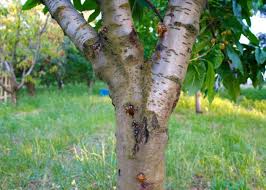
As a homeowner or gardener, it’s natural to want to protect your trees from diseases that can cause harm. But did you know that many tree diseases can be prevented by taking simple steps to care for the trunk and base of the tree? In this article, we’ll explore some common tree diseases, how to prevent them, and provide practical tips on how to keep your trees healthy.
Common Tree Diseases
Tree diseases are a major concern for homeowners and gardeners. Some of the most common tree diseases include:
- Bostrychia (a fungal disease that causes cankers)
- Cancer of the Chestnut (a bacterial disease that affects chestnut trees)
- White Mold (a fungal disease that causes yellowing leaves)
- Gray Mildew (a fungal disease that causes grayish patches on leaves and stems)
- Moniliosis (a fungal disease that causes cankers)
- Graphiosis of Oaks (a fungal disease that causes cankers)
- Red Rot (a bacterial disease that affects oak trees)
- Sulfur Crust (a fungal disease that causes a crusty, sulfur-like substance to form on the trunk)
- Gray Rotorot (a fungal disease that causes grayish patches on leaves and stems)
- White Mimicry of Oaks (a fungal disease that causes white, patchy lesions on leaves)
Prevention is Key
While some tree diseases are inevitable, there are many ways to prevent them. One of the most effective methods is to apply a trunk treatment to protect the tree from disease. But what exactly is a trunk treatment, and how can you prepare it at home?
Preparing a Trunk Treatment at Home
A trunk treatment is a mixture of natural ingredients that can be applied to the trunk of your tree to prevent disease. Here are some common ingredients used in trunk treatments:
- Clay or plaster (to provide a barrier against disease)
- Equisetum maculatum (a type of fern that has antifungal properties)
- Fresh cow manure (without straw) (to provide nutrients and improve soil health)
- Calcium-rich algae (to provide additional nutrients)
- Tansy infusion (to provide antifungal properties)
To prepare a trunk treatment at home, simply mix the ingredients together in a bucket. The general ratio is 1 part clay or plaster to 2 parts equisetum maculatum, with an additional 1/4 cup of fresh cow manure and 1 tablespoon of calcium-rich algae.
Applying Trunk Treatment
Once you have prepared your trunk treatment, it’s time to apply it to the tree. This can be done using a variety of tools, including:
- A paintbrush or spray bottle
- A scraper or brush
Apply the treatment to the trunk from the collar (where the trunk meets the branches) down to about 3 feet on either side.
Preventing Disease with Trunk Treatment
Applying trunk treatment regularly can help prevent disease in your trees. The best time to apply trunk treatment is during the autumn and spring seasons, when temperatures are cooler and there are fewer insects.
In addition to applying trunk treatment, it’s also important to maintain good tree hygiene practices. This includes:
- Regularly pruning branches that are dead or diseased
- Removing any debris or leaves from around the base of the tree
By following these simple tips, you can help keep your trees healthy and prevent disease.
The Importance of Potting
Potting is an essential part of maintaining healthy trees. By potting regularly, you can:
- Improve soil health
- Provide additional nutrients to the tree
- Prevent pests and diseases from taking hold
To pot your trees, start by identifying the base of the tree (the area around the trunk). This should be about 1-2 feet wide.
Potting Tips
Here are some tips for potting your trees:
- Use a combination of compost and manure to improve soil health
- Add additional nutrients as needed
- Prune branches that are dead or diseased
By following these simple tips, you can help keep your trees healthy and prevent disease.
Additional Tips for Tree Care
In addition to applying trunk treatment and potting regularly, there are several other things you can do to care for your trees. Here are some additional tips:
- Water your trees regularly, but avoid overwatering
- Fertilize your trees regularly, using a balanced fertilizer that is high in phosphorus
- Mulch around the base of the tree to retain moisture and suppress weeds
Conclusion
Preventing tree diseases is easier than you might think. By applying trunk treatment regularly and maintaining good tree hygiene practices, you can help keep your trees healthy and prevent disease. Remember to also pot regularly to improve soil health and provide additional nutrients to the tree.
Frequently Asked Questions (FAQs)
Q: What are some common signs of tree disease?
A: Common signs of tree disease include yellowing leaves, cankers, grayish patches on leaves and stems, and a crusty, sulfur-like substance on the trunk.
Q: How often should I apply trunk treatment?
A: Trunk treatment should be applied regularly, ideally during the autumn and spring seasons when temperatures are cooler and there are fewer insects.
Q: Can I prepare my own trunk treatment at home?
A: Yes, you can prepare your own trunk treatment at home using a combination of natural ingredients such as clay or plaster, equisetum maculatum, fresh cow manure, calcium-rich algae, and tansy infusion.
Q: What are some common signs of healthy tree growth?
A: Common signs of healthy tree growth include green leaves, sturdy branches, and a straight trunk.
Q: Can I prevent pests from taking hold in my trees?
A: Yes, by maintaining good tree hygiene practices such as pruning dead or diseased branches and removing debris or leaves around the base of the tree, you can help prevent pests from taking hold.
Common Tree Diseases: Causes and Symptoms
In addition to preventing tree diseases, it’s also important to understand what causes them. Here are some common tree diseases, along with their causes and symptoms:
- Bostrychia: This disease is caused by a fungus that grows on the trunk of the tree. The symptoms include cankers, which are small, sunken areas on the bark.
- Cancer of the Chestnut: This disease is caused by a bacterium that affects chestnut trees. The symptoms include lesions on the leaves and stems of the tree.
- White Mold: This disease is caused by a fungus that grows on the leaves of the tree. The symptoms include yellowing leaves and cankers.
Tree Diseases: Treatment Options
If your tree has been diagnosed with a disease, there are several treatment options available. Here are some common treatments:
- Trunk treatment: Applying a trunk treatment to the affected area can help prevent the spread of the disease.
- Pruning: Pruning branches that are dead or diseased can help remove infected tissue and prevent the spread of the disease.
- Fungicides: Applying fungicides to the tree can help control fungal diseases such as white mold and gray mildew.
Conclusion
Preventing tree diseases is easier than you might think. By applying trunk treatment regularly and maintaining good tree hygiene practices, you can help keep your trees healthy and prevent disease. Remember to also pot regularly to improve soil health and provide additional nutrients to the tree.


