
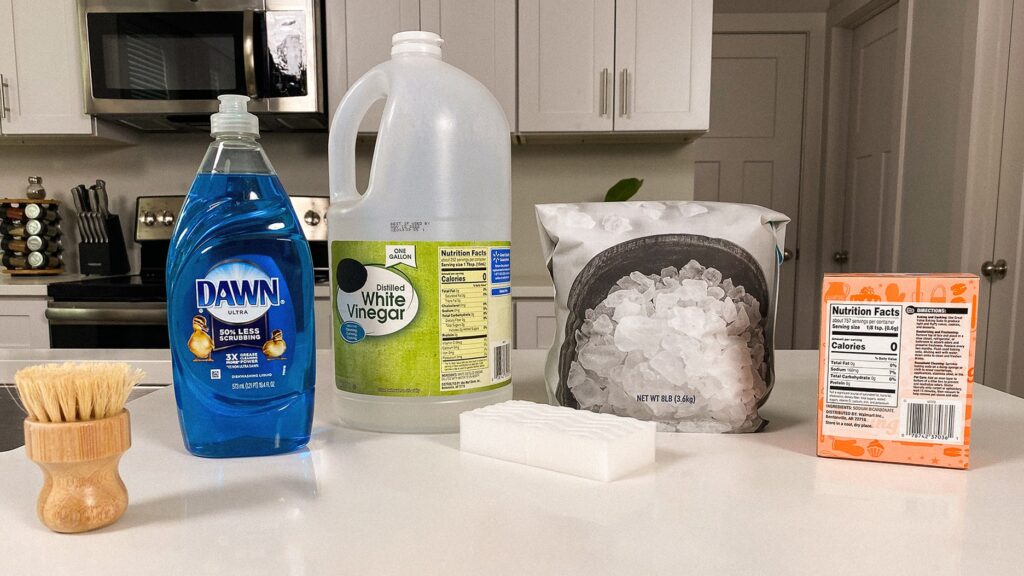
As we navigate the world of household cleaning, it’s essential to consider our options carefully. Chemical-based products can be harsh on surfaces and pose health risks to humans and the environment. That’s where vinegar comes in – an all-natural, eco-friendly alternative that’s been used for centuries.
Understanding Vinegar: A Natural Disinfectant
Vinegar is a dilute solution of acetic acid, which makes it a potent disinfectant. It’s capable of breaking down and neutralizing dirt, grime, and bacteria, making it an excellent tool for cleaning various surfaces around the house.
The History of Vinegar in Cleaning
For centuries, vinegar has been used as a natural cleaning agent due to its antibacterial properties. In fact, the ancient Egyptians, Greeks, and Romans used vinegar for cleaning purposes. The use of vinegar for cleaning continued through the Middle Ages and into modern times, with many households relying on it as a primary cleaning solution.
Using Vinegar for Different Cleaning Tasks
Vinegar can be used to clean a wide range of surfaces, from floors to walls, appliances, and even clothes. Here are some specific tasks where vinegar can shine:
Cleaning Floors
For wooden floors, prepare a solution by mixing 50 ml of white vinegar with 4 liters of warm water. Dip a mop into the solution and wring it out thoroughly before mopping your floors.
Alternatively, use vinegar to clean tile floors and showers. Dilute equal parts of white vinegar and water in a spray bottle and apply it to the surface. Let it sit for a few minutes before scrubbing with a non-abrasive sponge.
Cleaning Appliances
For tougher grime on appliances like fridges and stoves, mix equal parts of white vinegar and water in a spray bottle. Spray the solution onto the surface, let it sit for a while, and then wipe clean with a microfiber cloth.
Cleaning Countertops and Sinks
Dilute 1 cup of white vinegar with 2 cups of warm water in a spray bottle. Spray the solution onto countertops, sinks, or faucets and scrub with a non-abrasive sponge. Rinse thoroughly with clean water to prevent streaks.
Cleaning Windows
Mix equal parts of white vinegar and water in a spray bottle. Spray the solution onto windows and let it sit for a few minutes before wiping clean with a lint-free cloth or paper towel.
Using Vinegar for Natural Cleaning Remedies
Here are some additional ways you can use vinegar as a natural cleaning remedy:
Removing Soap Scum and Hard Water Stains
Mix equal parts of white vinegar and water in a spray bottle. Spray the solution onto surfaces like showers, bathtubs, or sink basins. Let it sit for a while before scrubbing with a non-abrasive sponge.
Deodorizing Your Home
Add a cup of white vinegar to your washing machine during laundry cycles to help eliminate odors and freshen up your clothes.
Cleaning Mirrors and Glass Surfaces
Mix equal parts of white vinegar and water in a spray bottle. Spray the solution onto mirrors, glass surfaces, or windows and wipe clean with a lint-free cloth or paper towel.
Benefits of Using Vinegar for Cleaning
So, why should you choose vinegar over traditional cleaning products? Here are just a few benefits:
- Natural and Eco-Friendly: Vinegar is biodegradable and non-toxic, making it an excellent choice for those looking to reduce their environmental impact.
- Cost-Effective: Vinegar is inexpensive and can be found in most grocery stores. You can also reuse the bottle as a cleaner or disinfectant spray.
- No Harsh Chemicals: Unlike commercial cleaning products, vinegar doesn’t contain harsh chemicals that can damage surfaces or pose health risks.
Tips for Using Vinegar Effectively
To get the most out of vinegar for cleaning:
- Always dilute vinegar with water before applying it to surfaces to avoid damage.
- Use a microfiber cloth to clean and scrub surfaces, as they are gentle on surfaces and can pick up dirt easily.
- Regularly clean your home to prevent grime and stains from building up.
Precautions When Using Vinegar
While vinegar is generally safe for cleaning purposes, there are some precautions to keep in mind:
- Avoid mixing vinegar with bleach, as it can create toxic fumes when combined.
- Test a small area first before using vinegar on any surface to ensure it doesn’t damage the material.
- Use gloves and protective eyewear when cleaning with vinegar, especially if you have sensitive skin or eyes.
Alternatives to White Vinegar
While white vinegar is an excellent natural cleaning agent, there are other alternatives you can try depending on your needs:
- Apple Cider Vinegar: This type of vinegar has a slightly sweeter taste and can be used for similar purposes as white vinegar.
- Balsamic Vinegar: While more expensive than white vinegar, balsamic vinegar can be used for cleaning surfaces like marble or granite countertops.
Conclusion
Vinegar is an excellent natural cleaning solution that’s environmentally friendly, cost-effective, and free from harsh chemicals. By incorporating vinegar into your cleaning routine, you’ll not only reduce your environmental impact but also create a healthier living space for yourself and your family. With its versatility and numerous benefits, it’s no wonder why vinegar has become a staple in many households around the world.


