
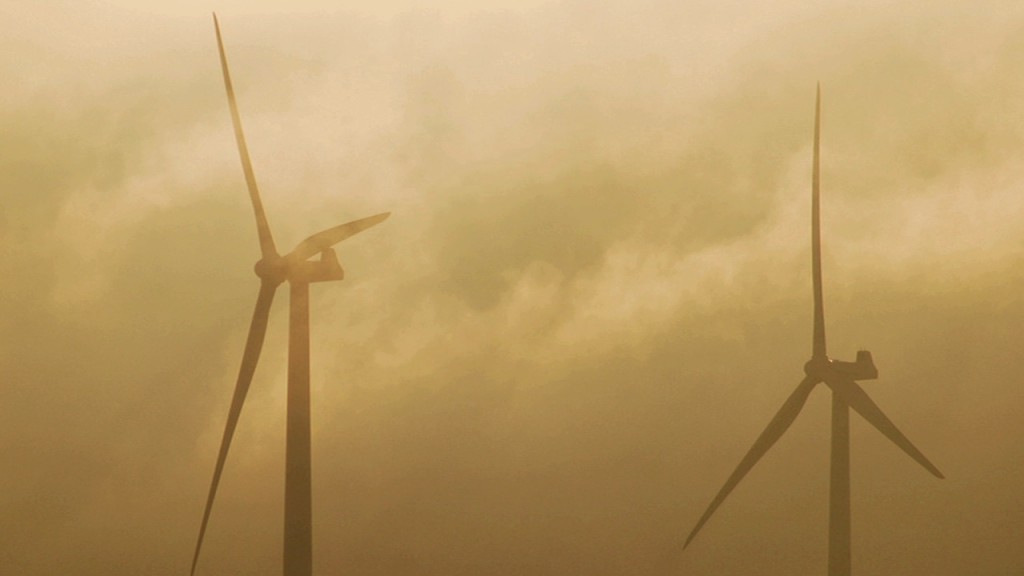
The wind turbine is often misunderstood as a threat to Italy’s natural beauty. However, with the help of photographer Giovanni Presutti, we can see that this is not the case. In his documentary “eolo,” Presutti captures the beauty of Italy’s landscapes while highlighting the importance of renewable energy.
A Reportage that Exposes the Truth
Presutti’s reportage has taken him to Paris, London, and St. Petersburg, but it was well-received in Italy, with exhibitions in Rome, Milan, Turin, Venice, Florence, and Naples. In an interview, Presutti explains his approach:
“I focused on the relationship between the wind turbine installations in our country and the surrounding terrain not only from a purely aesthetic perspective, but also from the point of view of how they relate to human life and daily routines.”
The South of Italy: A Hub for Wind Turbines
Most of the turbines featured in Presutti’s reportage are located in southern Italy, where wind farms have become increasingly popular. The region has been at the forefront of adopting renewable energy, with many towns and cities embracing the technology.
However, not everyone is convinced that wind turbines belong in Italy’s landscapes. Some argue that they have a negative impact on wildlife, while others claim that they are an eyesore. In some cases, local residents have even gone so far as to describe it as “Sindrome da Turbina eolica” – a phenomenon associated with the installation of wind turbines.
The Wind Turbine: A Symbol of Progress
Despite these concerns, wind turbines should be viewed as a symbol of progress and innovation. As our world becomes increasingly dependent on renewable energy sources, it’s essential that we adopt sustainable technologies like wind power. Not only is it a cleaner source of energy, but it’s also becoming more cost-effective.
In Italy, the government has set ambitious targets for renewable energy production, aiming to generate at least 30% of the country’s electricity from wind and solar sources by 2030. This shift towards sustainable energy is not only beneficial for the environment but also creates new economic opportunities for rural communities that have traditionally relied on fossil fuels.
The Photovoltaic: A Competitor to Wind Power
While solar panels have gained significant attention in recent years, wind power remains an important player in the renewable energy sector. However, both sources of energy have their drawbacks. For example, photovoltaic panels can be expensive to install and require large amounts of land to generate a substantial amount of energy.
On the other hand, wind turbines offer a more consistent source of electricity compared to solar panels, which are affected by weather conditions. Additionally, wind farms can provide significant economic benefits to local communities, as they create new jobs and stimulate local economies through tourism and infrastructure development.
The Environmental Debate: A Mixed Bag
Interestingly, environmental groups are divided on the issue of wind turbines. Some argue that they harm wildlife habitats, while others believe that they play a crucial role in reducing our reliance on fossil fuels. The case of Nociglia, Puglia, where an anti-wind turbine campaign is underway, highlights the complexity of this debate.
While it is true that wind turbines can have a negative impact on certain species, such as birds and bats, careful planning and mitigation strategies can minimize these effects. For instance, wind farm operators often install bird-friendly features like turbines with slower rotation speeds or use acoustic monitoring systems to detect bird strikes.
The Impact on Wildlife
One area of concern is the impact of wind turbines on wildlife habitats. Areas rich in species like the Golden Eagle, Brown Goshawk, and Imperial Eagle are particularly vulnerable to the presence of wind farms. As Presutti’s reportage shows, the installation of wind turbines requires careful planning and consultation with local authorities.
In some cases, wind turbines have been used as a tool for conservation efforts. For example, in the Campania region, wind turbines have been installed near habitats of endangered species like the Cretan ibex and the Italian wolf. By using wind energy to power these ecosystems, we can reduce our reliance on fossil fuels while also supporting biodiversity.
A New Frontier: The Future of Renewable Energy
As we move forward in our quest for sustainable energy solutions, it’s essential that we adopt a balanced approach. Wind power and photovoltaic panels can coexist and contribute to a cleaner environment. By embracing innovation and investing in renewable energy sources, we can create a brighter future for generations to come.
International Cooperation: A Key to Success
The success of Italy’s wind energy sector is not limited to national borders. International cooperation has played a crucial role in promoting the adoption of renewable energy technologies. For instance, the European Union has established a framework for wind energy development, which provides support for wind farm projects and promotes grid interconnection.
Similarly, organizations like the Renewable Energy Policy Network for the 21st Century (REN21) have been instrumental in promoting global cooperation on sustainable energy initiatives. By sharing knowledge, expertise, and best practices, countries can accelerate their transition to low-carbon economies and create a more sustainable future for all.
FAQs
- Q: Are wind turbines a threat to Italy’s natural beauty?
A: No, according to Giovanni Presutti’s reportage, wind turbines are not a threat to Italy’s landscapes. In fact, they can be integrated into the environment without altering its balance. - Q: Why is there so much opposition to wind turbines in Italy?
A: There are several reasons for this opposition, including concerns about their impact on wildlife habitats and aesthetics. - Q: Can wind turbines harm birds?
A: Yes, wind turbines can have a negative impact on bird populations, particularly those with delicate wing structures like the Golden Eagle and Brown Goshawk. - Q: Is wind power becoming more cost-effective?
A: Yes, as technology improves and economies of scale are achieved, wind power is becoming increasingly competitive with fossil fuels in terms of cost. - Q: What role does photovoltaic energy play in the renewable energy mix?
A: Photovoltaic panels can contribute to a significant portion of our energy needs, particularly for smaller-scale installations like rooftop solar panels. - Q: How can we balance the need for renewable energy with environmental concerns?
A: By adopting a holistic approach that considers multiple perspectives and involves local communities in the decision-making process. - Q: Will wind turbines ever become too widespread to be acceptable?
A: As long as we implement proper planning, monitoring, and mitigation strategies, wind turbines can coexist with human settlements and natural habitats. - Q: What is the future of renewable energy in Italy?
A: With increasing public awareness and government support for sustainable energy initiatives, Italy is poised to become a leader in the transition to a low-carbon economy.
By exploring the complexities surrounding wind power and photovoltaic energy, we can work towards creating a more sustainable future for all.


