
As we navigate the complex world of mental health, it’s natural to seek out alternative remedies to alleviate symptoms of depression, anxiety, and other conditions. One such remedy has gained popularity in recent years: St. John’s Wort. But what exactly is it, and does it truly live up to its claims?
Understanding St. John’s Wort
St. John’s Wort, also known as Hypericum perforatum, is a plant-based remedy that has been used for centuries to treat various mental health issues. Its name is derived from the Latin words “hyper” meaning “above” and “icium” meaning “long,” likely referring to its long history of use. Today, it’s commonly found in supplements and teas, marketed as a natural alternative to prescription antidepressants.
History of Use
St. John’s Wort has been used for various purposes throughout history. In ancient Greece and Rome, it was believed to have medicinal properties and was used to treat wounds, skin conditions, and mental health issues. The plant was also mentioned in the writings of medieval European herbalists, who used it to treat a range of ailments.
Active Compounds
St. John’s Wort contains several active compounds that are thought to contribute to its potential benefits for mental health. These include:
- Hypericin: A flavonoid compound that has been shown to have antidepressant and anti-inflammatory effects.
- Hyperforin: A phenolic compound that is believed to enhance the effects of neurotransmitters like serotonin and noradrenaline.
- Vitamin B6: A B vitamin that plays a crucial role in neurotransmitter synthesis and function.
How Does St. John’s Wort Work?
Theoretically, St. John’s Wort is believed to work by increasing the levels of neurotransmitters like serotonin and noradrenaline in the brain. These chemicals play a crucial role in regulating mood, appetite, and sleep patterns. By boosting their production, St. John’s Wort may help alleviate symptoms of depression and anxiety.
However, the scientific evidence supporting its efficacy is mixed. Some studies suggest that it can be as effective as conventional antidepressants for mild to moderate depression. But others have found no significant difference or even adverse effects. This inconsistency raises questions about the remedy’s reliability and safety.
Risks and Interactions
While St. John’s Wort may seem like a harmless natural remedy, it can interact with other medications and worsen certain health conditions. For example:
- Combining with antidepressants: Taking St. John’s Wort alongside conventional antidepressants can increase the risk of serotonin syndrome, a potentially life-threatening condition.
- Sedatives and anesthetics: St. John’s Wort may prolong their effects, leading to increased sedation or anesthesia requirements.
- Blood thinners and immunosuppressants: The plant may enhance the effects of these medications, increasing the risk of bleeding or organ rejection.
Side Effects and Precautions
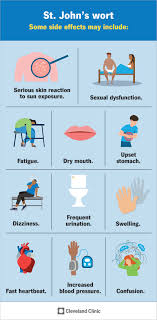
As with any supplement or medication, St. John’s Wort can cause side effects in some individuals. These may include:
- Nausea, headaches, or dizziness
- Allergic reactions or skin irritation
- Fatigue, insomnia, or confusion
- Increased sensitivity to sunlight
Conclusion
While St. John’s Wort has been used for centuries to alleviate mental health symptoms, its effectiveness and safety are still debated among medical professionals. As with any remedy, it’s crucial to approach its use with caution and consult a healthcare professional before adding it to your regimen.
By understanding the science behind St. John’s Wort and being aware of its potential risks and interactions, you can make an informed decision about whether it’s right for you.
Frequently Asked Questions
- Is St. John’s Wort safe to use?
- While generally considered safe, St. John’s Wort can interact with other medications and worsen certain health conditions.
- Can St. John’s Wort treat severe depression?
- There is limited evidence supporting its effectiveness for severe depression, and it may not be the best option for more serious cases.
- How long does it take to see results from St. John’s Wort?
- Results can vary, but it may take several weeks or months to notice any benefits from using this remedy.
- Can I use St. John’s Wort if I’m pregnant or breastfeeding?
- There is limited research on its safety during pregnancy and lactation, so it’s best to consult a healthcare professional before use.
- Are there any other natural remedies that may be more effective?
- While individual results may vary, some people find other natural remedies like omega-3 fatty acids, SAMe, or Ginkgo biloba to be more effective for their specific needs.
Consulting with a healthcare professional is always recommended before adding any new supplement or medication to your regimen.


