
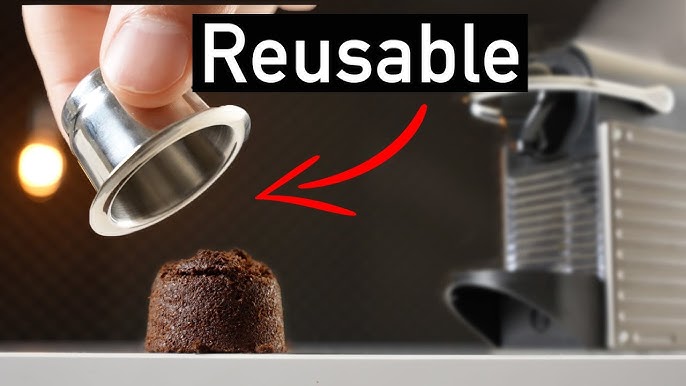
Are you tired of throwing away those used coffee capsules? Do you wonder if there’s a way to revive them and reduce waste? You’re not alone. In this article, we’ll explore the benefits of using capsule coffee machines, how to reuse and recycle them, and provide a step-by-step guide on how to give new life to your old capsules.
The Benefits of Capsule Coffee Machines
Capsule coffee machines have become increasingly popular in recent years, and for good reason. They offer several advantages over traditional coffee makers:
- Convenience: Capsule coffee machines are quick and easy to use, allowing you to enjoy a freshly brewed cup of coffee in just a few seconds.
- Consistency: The capsules ensure that your coffee is always made with the correct amount of coffee, eliminating the risk of over- or under-extraction.
- Monoportionality: Capsule machines are ideal for singles or those living alone, as they provide a single serving at a time.
Capsule Coffee Machines: A Type-Based Comparison
There are several types of capsule coffee machines available in the market. Each has its unique features and benefits:
- Capsule Coffee Machines: These machines use pre-filled capsules that contain ground coffee.
- A Capsule Coffee Machine with a Built-in Grinder: Some machines come equipped with a built-in grinder, which allows you to grind your own beans.
How to Reuse and Recycle Capsules
While capsule coffee machines offer several benefits, they do produce waste. To minimize this impact, it’s essential to reuse and recycle the capsules. Here’s how:
- Remove the Upper Part of the Capsule: Carefully remove the upper part of the capsule, which contains the coffee grounds.
- Empty the Coffee Grounds: Use a spoon or knife to empty the coffee grounds into a separate container.
- Wash the Capsule: Rinse the capsule with water to remove any remaining coffee oils and residue.
- Fill with New Coffee: Fill the washed capsule with fresh coffee grounds, using the recommended amount for each cup.
- Press and Seal: Press down gently on the coffee grounds to ensure they’re evenly distributed, then seal the capsule.
By following these steps, you can revive your old capsules and reduce waste. Here are some additional tips:
- Choose Recyclable Materials: Opt for machines that use recyclable materials, such as aluminum or bioplastics.
- Participate in Capsule Recycling Programs: Many companies offer capsule recycling programs, which allow you to recycle your used capsules.
Eco-Friendly Alternatives
If you’re looking for alternative ways to enjoy coffee without the hassle of capsule machines, consider these eco-friendly options:
- French Press: A classic brewing method that uses a single serving at a time.
- Pour-Over: A manual brewing method that allows you to control the amount of coffee and water used.
Frequently Asked Questions
Here are some common questions related to capsule coffee machines and reusing/recycling capsules:
Q: Can I reuse coffee capsules?
A: Yes, with a little creativity and patience. You can revive your old capsules by following the step-by-step guide provided earlier.
Q: How do I recycle used coffee capsules?
A: Check with local authorities or participate in company-sponsored recycling programs to see if they accept used capsules for recycling.
Q: Are capsule machines environmentally friendly?
A: While capsule machines have some environmental benefits, such as reducing waste, they also produce waste. By reusing and recycling capsules, you can minimize this impact.
Q: Can I use reusable coffee filters instead of capsules?
A: Yes, consider using reusable coffee filters to reduce waste and save money on coffee.
Q: How do I choose the best capsule machine for my needs?
A: Consider factors such as your budget, coffee preferences, and environmental concerns when selecting a capsule machine.
Capsule Recycling Programs
Many companies offer capsule recycling programs, which allow you to recycle your used capsules. Here are some popular options:
- Keurig’s Capsule Recycling Program: Keurig offers a capsule recycling program that allows you to drop off your used capsules at participating locations.
- Nespresso’s Capsule Recycling Program: Nespresso has a capsule recycling program that collects and recycles used capsules from their machines.
- Starbucks’ Coffee Grounds Recycling Program: Starbucks has a coffee grounds recycling program that allows you to recycle your used coffee grounds.
The Future of Reusable Capsules
As the demand for sustainable products grows, companies are developing reusable capsule systems. These systems allow you to refill and reuse capsules, reducing waste and minimizing environmental impact. Some popular options include:
- Reusable Capsule Systems: Companies like Nespresso and Keurig offer reusable capsule systems that allow you to fill your own capsules with coffee grounds.
- Capsule Refills: Some companies offer capsule refills that can be used in combination with reusable capsules.
By embracing the future of reusability, we can reduce waste and minimize our environmental footprint. With the right tools and knowledge, you can revive your old capsules and start enjoying a more sustainable coffee experience.
Conclusion
Reviving your old coffee capsules is easier than ever. By following these simple steps, using eco-friendly alternatives, and participating in capsule recycling programs, you can minimize waste and enjoy a more sustainable coffee experience. Whether you’re a casual coffee drinker or an avid fan of capsule machines, there’s never been a better time to take control of your environmental impact.
In the world of coffee, every cup counts, and it’s up to us to make a difference. By embracing the future of reusability, we can create a more sustainable food system that benefits both our planet and ourselves.


