
Sericulture is an ancient practice that has been around for thousands of years, with its origins dating back to the 7th millennium BC in China. This niche industry has seen a resurgence in recent years, with many countries now cultivating silkworms for their high-quality silk. In this article, we will delve into the world of sericulture and explore the steps involved in raising silkworms, as well as provide guidance on how to get started.
Understanding Sericulture
Sericulture is not just about raising animals; it requires a deep understanding of the worms’ behavior, nutrition, and environmental needs. Silkworms are the larvae of the domesticated Bombyx mori moth, which produces silk fibers that can be harvested to create high-quality textiles.
History of Sericulture
The history of sericulture is closely tied to the development of civilizations in Asia. The practice was first introduced to Europe by the Byzantine Empire and later gained popularity during the Industrial Revolution. However, after World War II, sericulture declined significantly, leaving many countries with a dwindling industry.
Indications for Raising Silkworms
Before we dive into the nitty-gritty of sericulture, it’s essential to understand why this practice is worth exploring. For one, raising silkworms can be a lucrative venture, especially if you have access to high-quality mulberry leaves and a suitable environment. Additionally, sericulture has many benefits for the ecosystem, as it promotes biodiversity and provides a sustainable source of income.
Choosing the Right Silkworm Breed
When selecting a silkworm breed, there are several factors to consider. Some breeds are better suited for indoor farming, while others thrive in outdoor conditions. Researching different breeds can help you choose the best one for your specific needs.
Step-by-Step Guide to Raising Silkworms
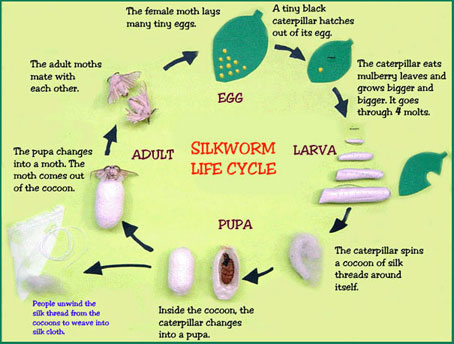
Raising silkworms involves several stages, from incubating eggs to harvesting cocoons. Here’s a step-by-step guide to help you get started:
1. Incubation
The first stage of sericulture is incubating the eggs. This requires maintaining a temperature range of 12.5°C to 26°C and alternating between light and darkness for 18 hours.
2. First Larval Stage (4 days)
After hatching, the larvae go through four stages of growth. During this first stage, they require a diet of mulberry leaves and need to be kept in a controlled environment with adequate ventilation.
3. Second Larval Stage (1 week)
At this stage, the larvae are fed a diet of finely chopped mulberry leaves and placed on wooden frames lined with paper or card. The temperature is maintained at around 22°C, and the humidity level should be between 60-80%.
4. Third Larval Stage (5 days)
This stage requires careful attention to the worms’ nutritional needs and environmental conditions. The temperature should be maintained at around 23°C, and the humidity level should be between 50-70%.
5. Fourth Larval Stage (5 days)
During this stage, the worms are transferred to a substrate of mulberry leaves, where they feed on the leaves with minimal light exposure.
6. Fifth Larval Stage (4 days)
The final stage involves preparing a substrate for the cocoons, which require minimal light and stable temperatures.
Fasi di Alimentazione e Cambio delle Foglie
During each larval stage, it’s essential to provide the worms with fresh mulberry leaves and maintain adequate humidity levels. Here are some additional guidelines:
- Fresh Mulberry Leaves: Provide fresh mulberry leaves daily, making sure they are of high quality and free of pests.
- Temperature Control: Maintain a temperature range of 20-25°C during each stage, ensuring that the worms’ growth is not affected by extreme temperatures.
Step-by-Step Guide to Harvesting Cocoons
The final stage involves harvesting cocoons from the silkworms. Here’s how to do it:
1. Bozzolo Completamento (4 days)
After spinning their cocoons, the silkworms will leave them in a safe location for the next few days.
2. Rendere il Cocoon in Bosco (4 days)
In this stage, the worms will start using the sericin glue to attach themselves to a branch and begin producing their silk.
3. Terminate la Creazione del Bozzolo (3-4 giorni)
The cocoons are then ready for harvesting. It’s essential to handle them gently to avoid damaging the silk inside.
Consigli per un Allevatore
While raising silkworms can be a rewarding experience, it requires careful planning and attention to detail. Here are some tips to keep in mind:
- Environmental Control: Maintaining optimal temperature and humidity levels is crucial for the worms’ growth.
- Fresh Mulberry Leaves: Providing fresh mulberry leaves daily ensures that the worms receive the nutrients they need.
Conclusion
Raising silkworms can be a rewarding experience, offering many benefits for both farmers and the environment. With proper care and attention to detail, it’s possible to produce high-quality silk cocoons and enjoy the fruits of your labor. Whether you’re an experienced farmer or just starting out, sericulture is definitely worth exploring.
Frequently Asked Questions (FAQs)
1. What is the ideal temperature range for silkworms?
The ideal temperature range for silkworms is between 20-25°C during each stage of growth.
2. How often should I feed my silkworms mulberry leaves?
Fresh mulberry leaves should be provided daily, making sure they are of high quality and free of pests.
3. Can I raise silkworms indoors or outdoors?
Both indoor and outdoor environments can support the growth of silkworms. However, it’s essential to provide adequate ventilation and temperature control in either setting.
4. How long does it take for silkworms to spin their cocoons?
The time it takes for silkworms to spin their cocoons varies depending on factors such as food availability and environmental conditions. Generally, this process can take around 28 days.
5. Can I harvest sericin glue from my cocoons?
Yes, you can harvest the sericin glue from your cocoons by soaking them in water or using a solvent like sodium hydroxide.
Conclusion
Raising silkworms is an art that requires patience, attention to detail, and a passion for creating high-quality textiles. By understanding the different stages of growth and providing optimal care, you can produce beautiful silk cocoons that will impress even the most discerning clients. Whether you’re a seasoned farmer or just starting out, sericulture is definitely worth exploring.
Frequently Asked Questions (FAQs)
1. What is the ideal temperature range for silkworms?
The ideal temperature range for silkworms is between 20-25°C during each stage of growth.
2. How often should I feed my silkworms mulberry leaves?
Fresh mulberry leaves should be provided daily, making sure they are of high quality and free of pests.
3. Can I raise silkworms indoors or outdoors?
Both indoor and outdoor environments can support the growth of silkworms. However, it’s essential to provide adequate ventilation and temperature control in either setting.
4. How long does it take for silkworms to spin their cocoons?
The time it takes for silkworms to spin their cocoons varies depending on factors such as food availability and environmental conditions. Generally, this process can take around 28 days.
5. Can I harvest sericin glue from my cocoons?
Yes, you can harvest the sericin glue from your cocoons by soaking them in water or using a solvent like sodium hydroxide.


