
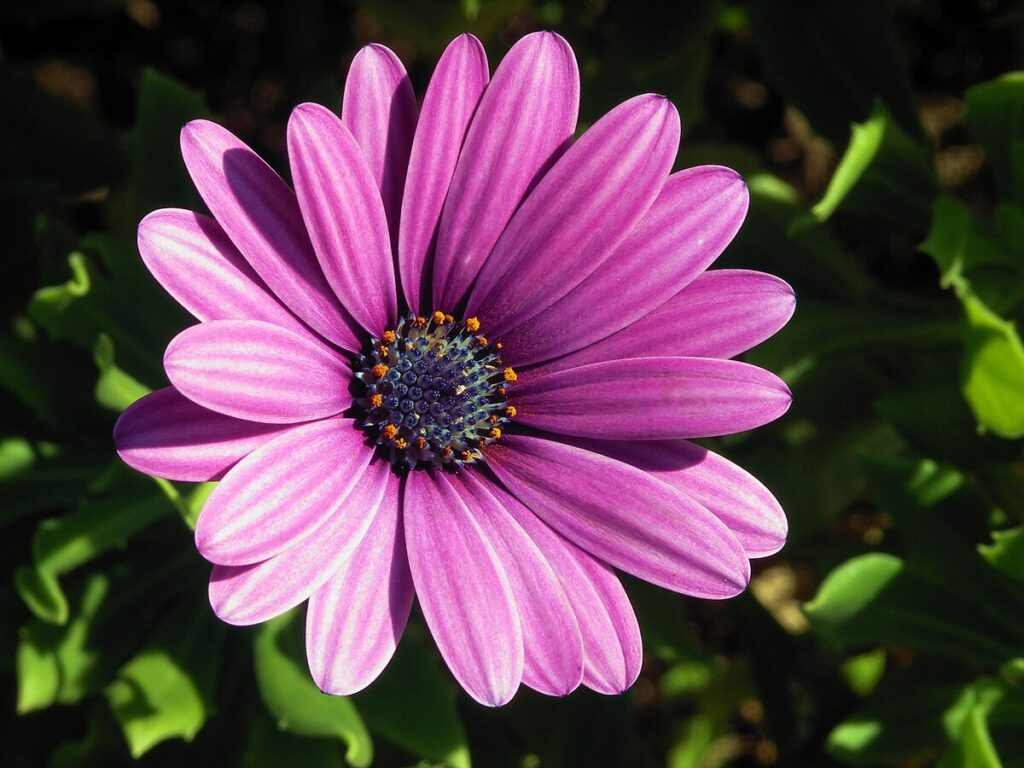
As we stroll through our gardens or admire the beauty of potted plants, it’s easy to get caught up in the popularity of certain flowers. But what about the lesser-known Dimorphoteca? This stunning plant is often overlooked, yet it boasts vibrant colors and a unique shape that sets it apart from other ornamental plants.
Characteristics of Dimorphoteca
Dimorphoteca, also known as Osteospermum, is a flowering plant native to South Africa. It belongs to the Composite family and can be grown both as an annual or perennial. This versatile plant grows up to 30 centimeters tall, with dense branches covered in lance-shaped leaves that are light green and radiant. As the seasons change, Dimorphoteca produces large, showy flowers that range from white to pink, yellow, orange, red, and even purple.
One of the most striking features of Dimorphecta is its ability to thrive under various conditions. It can tolerate a wide range of temperatures, from -5°C to warm sunshine, making it an ideal choice for gardeners with different climates. However, it’s essential to provide this plant with sufficient light, as it will produce fewer flowers if the conditions are too shaded.
History and Origins
Dimorphoteca is believed to have originated in South Africa, where it has been a staple in traditional medicine for centuries. The plant contains various compounds that have anti-inflammatory, antibacterial, and antifungal properties, making it useful for treating a range of ailments. In modern times, Dimorphecta has gained popularity as an ornamental plant due to its unique appearance and low maintenance requirements.
Cultivation and Care
To ensure a healthy and thriving Dimorphoteca, it’s crucial to provide proper care. This includes:
- Providing sufficient sunlight (at least 4-6 hours of direct sunlight)
- Maintaining well-draining soil (mix of compost, perlite, or sand)
- Watering regularly, but avoiding overwatering
- Fertilizing every 3-4 weeks with a balanced fertilizer
- Pruning after blooming to promote new growth
Propagation and Planting
Dimorphecta can be propagated using seeds or stem cuttings. When growing from seeds, sow them in well-draining soil in late winter or early spring. For stem cuttings, wait until the spring or summer months before taking cuttings. Once rooted, plant the new seedlings 20 centimeters apart, either in a pot or directly in the ground.
Common Problems and Solutions
While Dimorphecta is generally a hardy plant, it can be susceptible to certain issues. One of the most common problems is root rot caused by excessive moisture. To prevent this, make sure the soil drains well and avoid overwatering. Additionally, keep an eye out for pests like aphids, whiteflies, and spider mites, which can cause damage to the leaves and stems.
Another issue that may arise is fungal infections, particularly powdery mildew. Treat affected areas with fungicides and remove infected parts of the plant. Regular pruning can also help prevent the spread of disease.
Uses in Traditional Medicine
Dimorphecta has been used for centuries in traditional medicine due to its various medicinal properties. The plant contains compounds that have anti-inflammatory, antibacterial, and antifungal properties, making it useful for treating a range of ailments. Some of the common uses of Dimorphecta in traditional medicine include:
- Treating skin conditions such as eczema and acne
- Relieving pain and inflammation due to injuries or surgery
- Treating respiratory problems such as bronchitis and asthma
- Preventing and treating infections
Conclusion
Dimorphecta is a unique and captivating plant that deserves more attention from gardeners. With its vibrant colors, adaptable nature, and relatively low maintenance requirements, it’s an excellent choice for those looking to add some beauty to their outdoor spaces. By following proper care and propagation techniques, you can enjoy the stunning blooms of this lesser-known gem.
Frequently Asked Questions
- What is Dimorphecta?
- Dimorphecta is a flowering plant native to South Africa, also known as Osteospermum.
- How often should I water my Dimorphecta?
- Water your Dimorphecta regularly, but avoid overwatering.
- Can I grow Dimorphecta in partial shade?
- While Dimorphecta can tolerate some shade, it will produce fewer flowers if the conditions are too shaded.
- How often should I fertilize my Dimorphecta?
- Fertilize every 3-4 weeks with a balanced fertilizer to promote healthy growth and blooming.
- Can I propagate Dimorphecta using seeds or stem cuttings?
- Both methods can be used for propagation, but stem cuttings are generally more successful.
- How often should I prune my Dimorphecta?
- Prune after blooming to promote new growth and encourage repeat flowering.
- Can Dimorphecta be grown in containers?
- Yes, Dimorphecta can thrive in pots with well-draining soil and sufficient sunlight.
By answering these frequently asked questions, you’ll gain a deeper understanding of this beautiful plant and how to care for it.


