
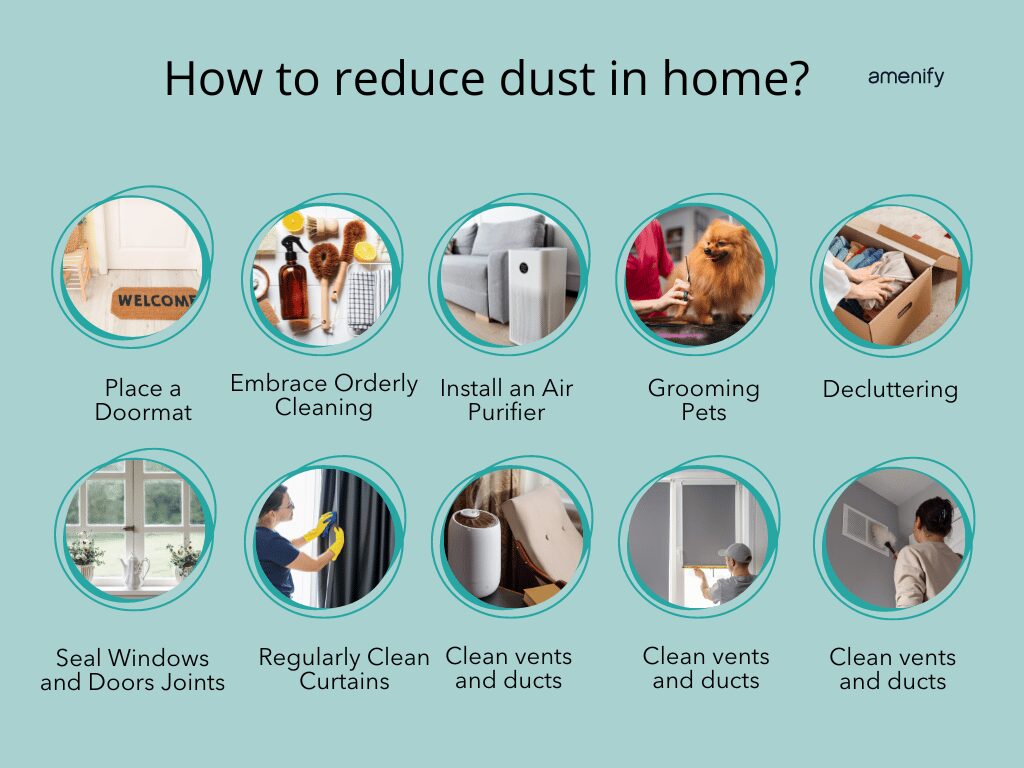
Are you tired of feeling like your home is perpetually shrouded in a fine layer of dust? You’re not alone. Fine dust, consisting of pollutants like acari, formaldehyde, and benzene, can contribute significantly to indoor air pollution – often more so than outdoor sources. In fact, studies have shown that exposure to this type of pollution can lead to decreased productivity, with some workers experiencing a 20% drop in performance.
But don’t worry – eliminating fine dust from your home is within reach. By making a few simple changes and adopting smart habits, you can significantly reduce the amount of dust accumulating in your space.
Understanding Fine Dust
Before we dive into the solutions, let’s take a closer look at what causes fine dust. These pollutants can come from various sources, including:
- Building materials (e.g., furniture, fixtures, and appliances)
- Household products (e.g., cleaning supplies, cosmetics, and perfumes)
- Personal care items (e.g., hair dryers, curling irons, and straightening tools)
Prevention is Key
While it’s impossible to eliminate fine dust entirely, there are steps you can take to minimize its presence:
Home Maintenance
- Regularly clean and dust surfaces, including furniture, lamps, and knick-knacks.
- Vacuum frequently, using a HEPA-filter vacuum cleaner to trap tiny particles.
- Mop floors with a damp mop to reduce dust and dirt buildup.
Product Selection
When shopping for products, opt for those with natural materials and minimal chemicals:
- Choose furniture made from solid wood or other durable materials.
- Select cleaning supplies that are labeled as “natural” or “biodegradable.”
- Opt for personal care items that are fragrance-free or contain natural ingredients.
Personal Habits
- Avoid smoking indoors, as this can release toxic fumes into the air.
- Use a humidifier to maintain a healthy humidity level in your home (between 30-50%).
- Remove shoes before entering your home to reduce dust and dirt tracked from outside.
Natural Air Purifiers
Incorporate plants known for their air-purifying properties into your space:
- Spider plants
- Snake plants
- Peace lilies
Deodorizing Solutions
For small areas, try using natural deodorizers:
- Mix coffee grounds with baking soda to create a homemade deodorizer.
- Use essential oils (like lavender or tea tree oil) in a diffuser to purify the air.
By implementing these strategies, you’ll be well on your way to reducing fine dust and creating a healthier, more comfortable living space.
Frequently Asked Questions
Q: How often should I vacuum my home?
A: Aim to vacuum at least twice a week, or daily if you have pets or allergies.
Q: Can I use baking soda as a natural air freshener?
A: Yes, but be sure to mix it with other ingredients (like coffee grounds) for optimal effectiveness.
Q: Will using essential oils harm my furniture or carpets?
A: Not typically, but always test a small area before applying any new substances to ensure they won’t damage your materials.
Q: Can I use natural deodorizers in areas with poor ventilation?
A: While it’s possible, these solutions might not be as effective in poorly ventilated spaces. Consider using alternative methods or consulting with an indoor air quality expert for personalized advice.
Creating a Dust-Free Zone
In addition to the strategies mentioned above, there are several specific tips for creating a dust-free zone in certain areas of your home:
- Kitchen: Regularly clean countertops and appliances, and use a microfiber cloth to wipe down surfaces.
- Bathrooms: Clean the shower and bathtub after each use, and use a squeegee to remove water droplets from the mirror and windows.
- Living Room: Dust furniture and knick-knacks regularly, and vacuum or sweep floors frequently.
The Benefits of Reducing Fine Dust
By eliminating fine dust from your home, you can enjoy a range of benefits, including:
- Improved indoor air quality
- Reduced allergy symptoms
- Enhanced overall health and well-being
Conclusion
Eliminating fine dust from your home is a simple yet effective way to improve the air quality and overall comfort of your living space. By following the tips outlined in this guide, you can create a healthier and more comfortable environment for yourself and those around you.


