
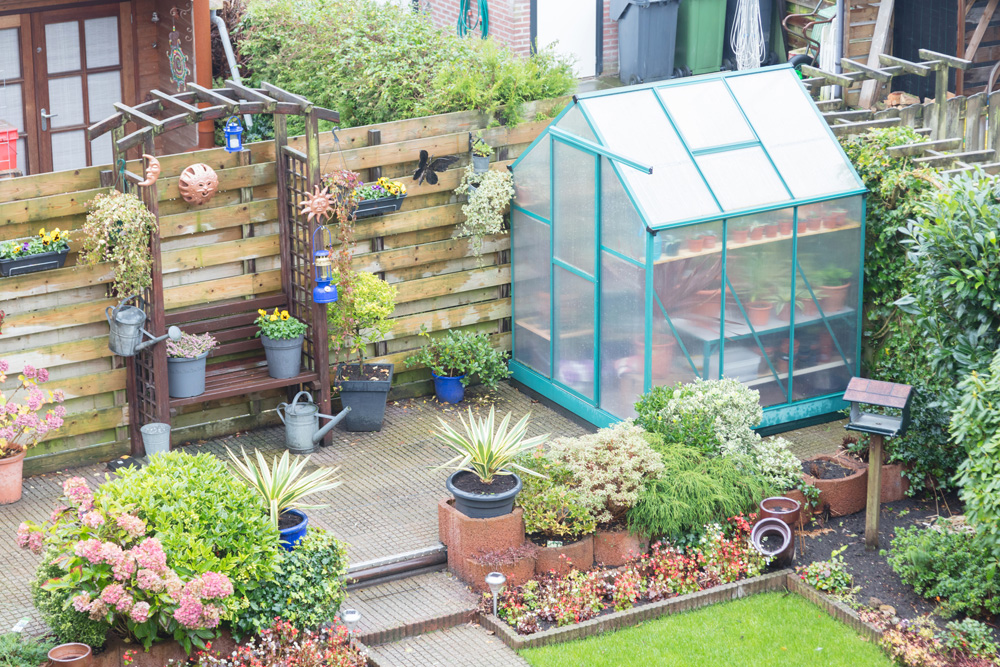
If you want to grow your own herbs or vegetables even in the dead of winter, but don’t have space in your garden, building a mini greenhouse on your balcony is an excellent idea. With a small greenhouse, you can plant crops that take longer to mature, such as tomatoes, zucchini, and eggplants. By using containers and moving them indoors during the winter months, you’ll be able to enjoy fresh produce all year round.
What You’ll Need to Build a Mini Greenhouse on Your Balcony
- PVC pipe (or other waterproof material)
- Flexible tubes from plumbing or irrigation systems
- Gardening gloves and some basic tools
- Waterproof tape
- Optional: trellis, stakes, clips, or netting for additional support
Step-by-Step Guide to Building a Mini Greenhouse on Your Balcony
Step 1: Prepare the Site
Before you start building your mini greenhouse, make sure that your balcony is level and free of debris. If necessary, use some sandbags or weights to stabilize the structure.
Step 2: Plan the Layout
Determine how many containers you want to plant and where they will be placed on your balcony. Arrange them in a rectangular shape for easier access and handling. Consider using trellises or stakes to provide support for climbing plants like peas, beans, or cucumbers.
Step 3: Create the Frame
Cut the PVC pipe into sections of equal length, depending on how long you want each side of your greenhouse to be. Use flexible tubes from plumbing or irrigation systems as support for the frame. You can bend and shape them to fit snugly between the containers.
Step 4: Cover with Tarpaulin
Cover the entire structure with a waterproof tarpaulin, securing it to the PVC pipe using tape or clips. Leave some space at the top for ventilation and light penetration.
Step 5: Add Additional Support (Optional)
If you’re planning to grow vining plants, consider adding trellises or stakes around your containers. You can also use netting to provide additional support and prevent damage from wind or weather conditions.
Step 6: Final Check
Before using your mini greenhouse for the first time, make sure that it’s fully assembled and secured. Check for any leaks or gaps in the structure and tighten loose connections as needed.
Tips and Tricks
- Opening the Greenhouse: If you live in an area with direct sunlight, open the top vent to ensure proper ventilation and prevent overheating.
- Winter Protection: Bring your containers inside during the winter months to protect them from frost and freezing temperatures. You can use plastic sheets or tarpaulins as a covering material.
By following these steps and tips, you’ll be able to build a mini greenhouse on your balcony that will provide you with fresh produce all year round.
Frequently Asked Questions
Q: Can I use any type of container for my mini greenhouse?
A: Choose containers that are at least 6-8 inches deep to accommodate the roots of larger plants. Make sure they’re well-draining and have drainage holes in the bottom.
Q: How do I choose the right location for my mini greenhouse on the balcony?
A: Consider factors like sunlight, wind direction, and accessibility when selecting a spot. Place your containers on the south or west side of the balcony to maximize sunlight exposure.
Q: Can I use trellises or stakes to support climbing plants in my mini greenhouse?
A: Yes! Trellises and stakes can provide additional support for vining plants like peas, beans, or cucumbers. You can attach them to the containers using clips, ties, or netting.
Q: How do I maintain the temperature inside my mini greenhouse?
A: Use a thermometer to monitor the temperature. Keep it between 60°F and 80°F (15°C and 27°C) for optimal growth. Avoid placing plants near heating vents or radiators to prevent overheating.
Q: Can I use a trellis as a support system for climbing plants in my mini greenhouse?
A: Yes! Trellises can provide additional support for vining plants like peas, beans, or cucumbers. You can attach them to the containers using clips, ties, or netting.
Q: How often should I water my plants in my mini greenhouse?
A: Check the moisture levels of your soil by inserting a finger into the top 2-3 inches of soil. Water when necessary, taking care not to overwater or underwater your plants.
Q: What kind of pests can I expect in my mini greenhouse?
A: Common pests like aphids, whiteflies, and spider mites can infest your plants. Use organic pest control methods whenever possible, such as neem oil or insecticidal soap.
Q: How long does it take for a mini greenhouse to pay off its initial investment?
A: Depending on the size of your greenhouse, growth rate, and maintenance costs, you may start seeing returns within 6-12 months. Monitor your expenses and compare them to your crop yields to determine if the greenhouse is generating enough income for itself.
Q: What are some common mistakes to avoid when building a mini greenhouse?
A: Avoid using materials that may damage the structure or compromise its integrity. Make sure all connections are secure, and use proper ventilation techniques to prevent overheating and moisture buildup.
Mini Greenhouse Design Options
When designing your mini greenhouse, consider the following options:
- Lean-to Style: Build a lean-to style greenhouse using PVC pipes and tarpaulin. This design is ideal for small spaces and provides excellent protection from wind and weather conditions.
- Gable Style: Create a gable-style greenhouse with a sloping roof. This design allows for better ventilation and can be more aesthetically pleasing than the lean-to style.
- A-Frame Style: Build an A-frame style greenhouse using PVC pipes and tarpaulin. This design is ideal for larger spaces and provides excellent support for climbing plants.
Tips for Maximizing Crop Yields
To maximize crop yields in your mini greenhouse, follow these tips:
- Choose the right location: Place your containers on the south or west side of the balcony to maximize sunlight exposure.
- Use a well-draining potting mix: Choose a potting mix that drains well and is rich in nutrients. Avoid using garden soil from your local nursery as it may contain pests or diseases.
- Water regularly but avoid overwatering: Check the moisture levels of your soil by inserting a finger into the top 2-3 inches of soil. Water when necessary, taking care not to overwater or underwater your plants.
- Provide adequate support for climbing plants: Use trellises or stakes to provide additional support for vining plants like peas, beans, or cucumbers.
By following these tips and design options, you’ll be able to build a mini greenhouse on your balcony that will provide you with fresh produce all year round.


