
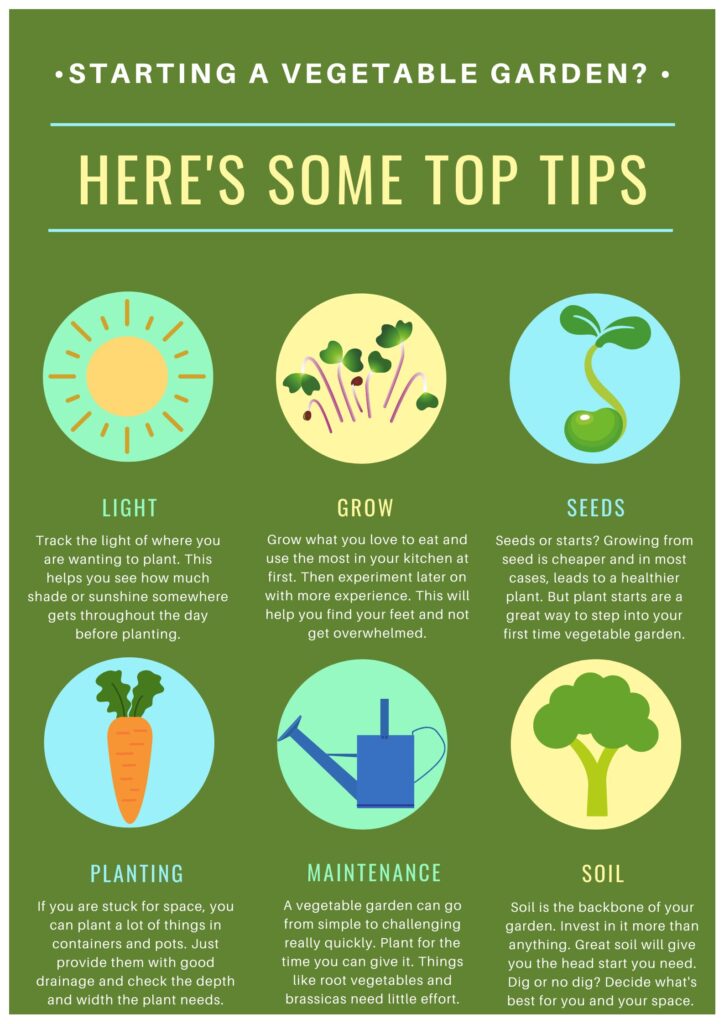
Are you tired of relying on the food industry? With increasing scandals and concerns about food safety, it’s more important than ever to take control of what goes into your body. One way to do this is by growing your own garden, where you can cultivate fresh, healthy produce right in your own backyard.
In this article, we’ll walk you through the process of growing a garden, from deciding which plants to grow to harvesting your fruits and vegetables.
Determining Your Garden’s Needs
Before you start planting, you need to consider a few factors:
- Do you have a suitable plot of land to garden?
- Are you interested in growing an indoor or outdoor garden?
If you don’t have a suitable plot of land, don’t worry! You can also grow an indoor or urban garden using containers and creative solutions.
Assessing Climate and Seasonality
The ideal time to start gardening is during the spring and early summer months. However, if you live in a cold climate, you may need to use specialized equipment like greenhouses or cold frames to extend your growing season.
Here are some general guidelines for different regions:
- Northern climates: Late April to early May
- Southern climates: Early April to late March
Choosing the Right Plants
With so many options available, it can be overwhelming to decide which plants to grow. Here are some popular choices for beginners:
- Leafy greens like lettuce, spinach, and kale
- Root vegetables like carrots, beets, and radishes
- Tomatoes, peppers, and cucumbers
Preparing Your Garden
Once you’ve chosen your plants, it’s time to prepare the soil. Here are some tips:
- Buy seedlings from a reputable nursery or garden center
- Ask the nursery staff for advice on which plants will thrive in your specific climate and soil conditions
- Purchase high-quality potting mix specifically designed for container gardens
Watering and Irrigation
Proper watering is essential for healthy plant growth. Here are some tips:
- Water plants only when they need it, taking into account factors like temperature, humidity, and rainfall
- Use a rain gauge to measure precipitation and adjust your watering schedule accordingly
- Avoid overwatering, which can lead to root rot and other problems
Common Challenges and Solutions
Growing a garden is not without its challenges. Here are some common issues and solutions:
- Pests: Encourage beneficial insects like bees and butterflies by planting a diverse range of flowers and herbs
- Diseases: Use natural methods to control fungal diseases, such as removing infected plants and applying neem oil
Soil Preparation
Before you start planting, it’s essential to prepare your soil. Here are some tips:
- Test your soil pH using a DIY kit or by sending a sample to a laboratory
- Add organic matter like compost or manure to improve soil structure and fertility
- Use natural fertilizers like fish bone meal or alfalfa meal
Companion Planting
Companion planting is the practice of growing different plants together to enhance growth, flavor, and pest resistance. Here are some popular combinations:
- Marigolds and tomatoes: repel nematodes and whiteflies
- Basil and lettuce: improve flavor and texture
- Radishes and cucumbers: repel cucumber beetles
Harvesting
The best part of gardening is harvesting your fresh produce. Here are some tips:
- Check the specific harvest times for each plant variety
- Use scissors or a knife to harvest leaves, stems, and flowers
- Handle produce gently to avoid bruising or damaging
Preserving
Once you’ve harvested your fruits and vegetables, it’s time to preserve them for later use. Here are some popular methods:
- Freezing: blanch and freeze leafy greens, broccoli, and other vegetables
- Canning: preserve fruits and vegetables using a water bath canner or pressure canner
- Dehydrating: dry fruits, vegetables, and herbs to make healthy snacks
Conclusion
Growing a garden is a rewarding experience that requires patience, dedication, and attention to detail. By following these steps and tips, you’ll be well on your way to creating a thriving oasis in your own backyard.
Frequently Asked Questions
- What are the best plants for beginners?
- Leafy greens like lettuce, spinach, and kale
- Root vegetables like carrots, beets, and radishes
- Tomatoes, peppers, and cucumbers
- How often should I water my plants?
- Water plants only when they need it, taking into account factors like temperature, humidity, and rainfall
- What is the best way to control pests in my garden?
- Encourage beneficial insects by planting a diverse range of flowers and herbs
- How can I prevent diseases from affecting my plants?
- Remove infected plants and apply neem oil as a natural fungicide
- Can I grow a garden indoors?
- Yes, using containers and creative solutions like hydroponics or aeroponics
- What are the most common challenges faced by gardeners?
- Pests like aphids and slugs
- Diseases like fungal infections
- How can I extend my growing season in cold climates?
- Use specialized equipment like greenhouses or cold frames
- Can I grow a garden in urban areas?
- Yes, using creative solutions like vertical gardening or container gardens


