
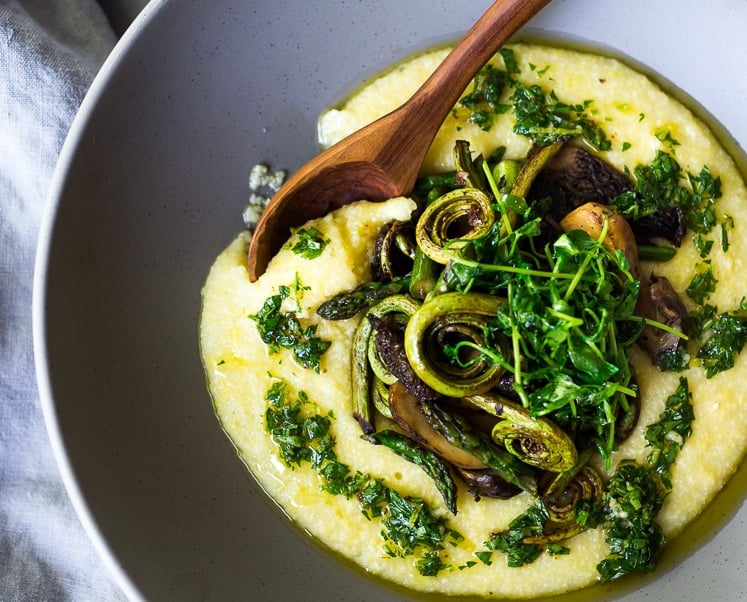
Polenta, a traditional Italian dish made from cornmeal, has been a staple of the Mediterranean diet for centuries. This versatile food can be prepared in various ways, making it a perfect vegetarian option for those looking for a delicious and satisfying meal. In this article, we will explore the history of polenta, its nutritional benefits, and provide two recipes for preparing polenta with unique flavor combinations.
A Brief History of Polenta
Polenta has its roots in ancient Italy, where cornmeal was first introduced by the Romans. The dish was initially prepared as a thick porridge made from coarsely ground cornmeal, which was then cooked over an open flame. Over time, polenta became a staple food in Italy, particularly during the winter months when other ingredients were scarce.
The history of polenta is also closely tied to the history of Italian cuisine. During the Middle Ages, polenta was a primary source of nutrition for peasants and laborers, who relied on it as a filling and nutritious meal. As the Renaissance period approached, polenta became more refined and sophisticated, with the addition of herbs, spices, and other ingredients.
The Benefits of Polenta
Polenta is not only delicious but also offers several health benefits. Made from cornmeal, it is relatively low in calories and rich in fiber, making it an excellent choice for vegetarians and vegans. However, it’s essential to note that polenta can be high in carbohydrates, so moderation is key.
Here are some of the nutritional benefits of polenta:
- High in Fiber: Polenta is a good source of dietary fiber, which can help lower cholesterol levels and promote digestive health.
- Low in Calories: Compared to other grains, cornmeal is relatively low in calories, making it an excellent choice for those watching their weight.
- Rich in Antioxidants: Cornmeal contains antioxidants that have been shown to reduce inflammation and improve overall health.
Preparing Polenta: A Recipe for Success
Before we dive into the recipes, let’s cover the basics of preparing polenta. There are two main methods of making polenta: traditional and instant. The traditional method involves cooking polenta over low heat for 40-50 minutes, while instant polenta can be prepared in as little as 10 minutes.
Here’s a basic recipe for making polenta:
Ingredients:
- 240g cornmeal
- 4 cups water
- Salt to taste
Instructions:
- Bring the water to a boil.
- Gradually add the cornmeal, stirring constantly.
- Reduce heat and simmer for 40-50 minutes or until polenta is tender.
Polenta with Vegetarian Condiments
One of the most delicious ways to prepare polenta is by adding various vegetarian condiments. Here are two recipes that showcase the versatility of polenta:
Recipe 1: Polenta with Roasted Peppers and Cheese
Ingredients:
- 240g polenta
- 2 red bell peppers, roasted
- 50g parmesan cheese, grated
- 30g black olives, pitted
- 150g leerdammer cheese, cubed
- Half a medium onion, chopped
- A few cherry tomatoes, halved
- Olive oil and salt to taste
Instructions:
- Cook the polenta according to the package instructions.
- Roast the peppers in the oven until tender.
- In a pan, sauté the onions and black olives with olive oil and salt.
- Add the roasted peppers and parmesan cheese to the pan.
- Mix everything together and serve over polenta.
Recipe 2: Pizza di Polenta
Ingredients:
- 400g funghi misti (mushroom blend)
- 170g instant cornmeal
- 1 noce (pine nut) of butter
- 1 clove garlic, minced
- 2 sprigs of fresh rosemary
- 7.5 liters vegetable broth
- 40g pecorino cheese, grated
- 200g taleggio cheese, cubed
- 2 tablespoons olive oil
- Salt and pepper to taste
Instructions:
- Preheat the oven to 180°C (350°F).
- Cook the instant cornmeal according to the package instructions.
- In a pan, sauté the garlic, rosemary, and mushrooms until fragrant.
- Add the vegetable broth, butter, and pecorino cheese to the pan and stir until combined.
- Top the cooked polenta with the mushroom mixture and taleggio cheese.
- Bake in the oven for 10-12 minutes or until golden brown.
Conclusion
Polenta is a versatile food that can be prepared in countless ways, making it an excellent addition to any vegetarian diet. With its rich history and nutritional benefits, polenta is a dish that deserves to be enjoyed by everyone. Whether you prefer a classic recipe or something new and exciting, there’s a world of flavors waiting for you with polenta.
FAQs
- What is the difference between traditional and instant polenta?
Traditional polenta is made from coarsely ground cornmeal and cooked over low heat for 40-50 minutes, while instant polenta can be prepared in as little as 10 minutes. - Is polenta high in calories?
Polenta can be relatively high in carbohydrates, but it’s essential to note that the nutritional content depends on the ingredients used in preparation. - Can I make pizza di polenta at home?
Yes, you can make pizza di polenta at home using instant cornmeal and a variety of toppings such as mushrooms, cheese, and herbs. - What are some healthy vegetarian options to serve with polenta?
Some healthy vegetarian options that pair well with polenta include roasted vegetables, grilled portobello mushrooms, and sautéed spinach. - Can I use instant cornmeal for traditional polenta?
While it’s possible to use instant cornmeal as a substitute for traditional polenta, the results may vary in terms of texture and flavor. - What is the best way to cook polenta?
Polenta can be cooked using various methods, including stovetop, microwave, or oven. The best method depends on personal preference and desired consistency. -
Can I add other ingredients to my polenta?
Yes, you can experiment with different ingredients such as herbs, spices, cheese, and vegetables to create unique flavor combinations. -
How do I store leftover polenta?
Leftover polenta can be stored in an airtight container in the refrigerator for up to 3 days or frozen for up to 2 months.


