
Introduction
In recent years, the concept of the second-hand economy has gained significant attention, with many individuals and businesses embracing this sustainable and profitable opportunity. But what exactly is the second-hand economy, and how can you tap into it? In this article, we’ll delve into the world of second-hand trade, exploring its benefits, growth, and potential for success.
What is the Second-Hand Economy?
The second-hand economy refers to the buying and selling of used goods, services, and assets. It’s a market where individuals can purchase items that are still in good condition but no longer needed or wanted by their original owner. This concept has been around for decades, but it’s gained momentum in recent years due to increasing concerns about sustainability, waste management, and the environment.
The Boom of the Second-Hand Economy
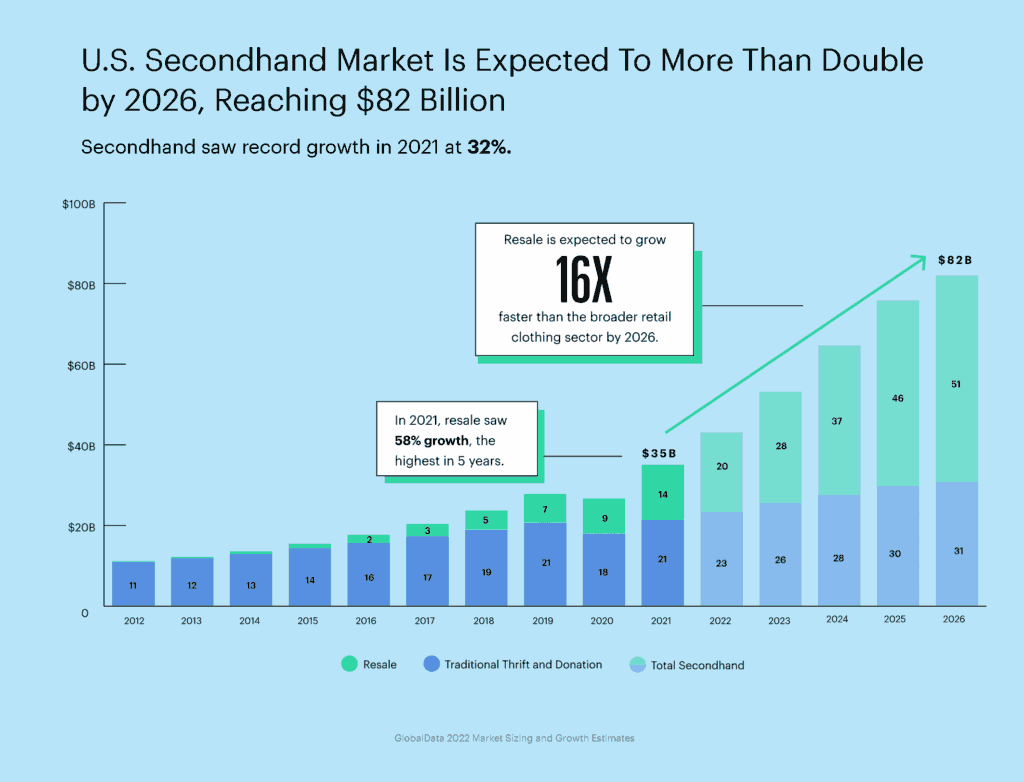
According to a report by Doxa, the Italian market for second-hand goods has reached an impressive $23 billion, accounting for 1.3% of the country’s GDP. This growth can be attributed to several factors:
- Digitalization: The rise of online platforms and social media has made it easier for individuals to buy and sell second-hand items.
- Sustainability: Consumers are becoming increasingly aware of the environmental impact of their purchasing decisions, driving demand for sustainable products.
- Economic uncertainty: In times of economic uncertainty, people are turning to alternative sources of income, including the second-hand economy.
Characteristics of the Second-Hand Economy
The second-hand economy has several key characteristics that contribute to its growth and success:
- Digital presence: Online platforms and social media have become essential tools for buying and selling second-hand goods.
- Diversified product range: The market offers a wide range of products, from electronics and furniture to clothing and accessories.
- Targeted audience: Individuals with specific interests or needs are driving demand for certain types of products.
Benefits of the Second-Hand Economy
The second-hand economy has several benefits that make it an attractive opportunity:
- Environmental sustainability: By buying and selling used goods, individuals can reduce waste and minimize their carbon footprint.
- Financial gain: The second-hand economy offers a potential source of income for those looking to supplement their existing income or start a new business.
- Community engagement: Online platforms and social media have created opportunities for people to connect with others who share similar interests.
How to Get Started in the Second-Hand Economy
If you’re interested in tapping into the second-hand economy, here are some steps to get started:
- Research popular products: Identify in-demand products that can be sold online or offline.
- Choose a platform: Select an online marketplace or social media platform to list your items for sale.
- Price competitively: Set prices that reflect the market demand and competition.
- Promote your listings: Share your listings on social media, forums, or other relevant platforms.
Second-Hand Economy: A Sustainable Future
As concern for the environment continues to grow, the second-hand economy is likely to play an increasingly important role in shaping our future. By embracing this sustainable opportunity, individuals and businesses can contribute to a more environmentally friendly world while also generating profits.
Frequently Asked Questions (FAQs)
Q: What are the most popular products in the second-hand economy?
A: The most popular products vary depending on the platform and market trends. However, some of the most sought-after items include electronics, furniture, clothing, and accessories.
Q: How can I make money in the second-hand economy?
A: You can generate income by buying low and selling high, or by offering services like repair and maintenance for second-hand goods.
Q: Is the second-hand economy a sustainable option?
A: Yes, the second-hand economy is a more sustainable option than traditional consumption, as it reduces waste and minimizes environmental impact.
Q: Can I start my own business in the second-hand economy?
A: Absolutely! With the right products and marketing strategy, you can build a successful business in the second-hand economy.
Q: What are the benefits of buying second-hand goods?
A: Buying second-hand goods reduces waste, minimizes environmental impact, and often saves money compared to purchasing new products.
Q: How do I find reliable platforms for buying and selling second-hand goods?
A: Research online marketplaces, social media platforms, and local classifieds to find trusted sources for buying and selling second-hand goods.
Common Mistakes to Avoid in the Second-Hand Economy
When entering the second-hand economy, it’s essential to avoid common mistakes that can hinder your success:
- Overpricing: Setting prices that are too high can deter buyers and make it difficult to sell items.
- Underestimating competition: Researching popular products and understanding market trends is crucial to stay competitive.
- Not promoting listings effectively: Sharing listings on social media, forums, or other relevant platforms can help reach a wider audience.
Growing the Second-Hand Economy
To further grow the second-hand economy, consider the following strategies:
- Developing online marketplaces: Creating user-friendly and secure platforms for buying and selling second-hand goods.
- Promoting sustainable practices: Educating consumers about the benefits of purchasing second-hand goods and promoting sustainable consumption habits.
- Building a community: Encouraging social interaction among users to foster a sense of community and drive demand for specific products.
Conclusion
The second-hand economy is a thriving market that offers numerous opportunities for individuals, businesses, and communities. By understanding its benefits, growth, and potential for success, you can tap into this sustainable and profitable opportunity. Whether you’re looking to start your own business or simply reduce waste and minimize environmental impact, the second-hand economy has something to offer.
As concern for the environment continues to grow, the second-hand economy is likely to play an increasingly important role in shaping our future. By embracing this sustainable opportunity, individuals and businesses can contribute to a more environmentally friendly world while also generating profits.


