
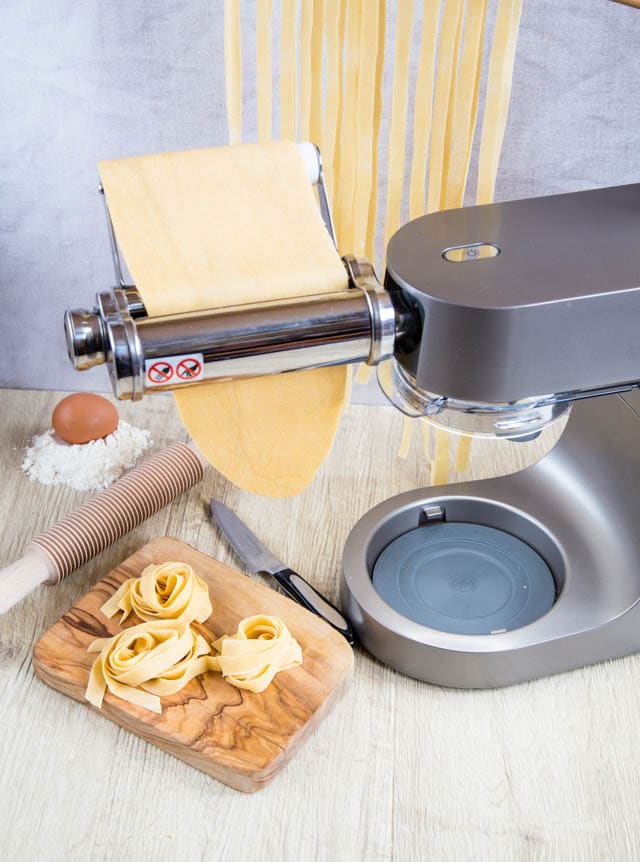
As a lover of Italian cuisine, you’re probably familiar with the joy of making fresh pasta at home. But have you ever wondered what makes planetaria or impastatrice mixers so special for this task? In this article, we’ll delve into the world of homemade pasta and explore the benefits of using these mixers to create delicious, handmade pastas.
Understanding Planetaria or Impastatrice Mixers
A planetaria or impastatrice mixer is a type of stand mixer that’s specifically designed for making fresh pasta. These mixers typically come equipped with a hook and flat beater attachment, as well as an optional sfogliatrice (rolling pin) and tagliapasta (pasta cutter). The combination of these attachments allows you to create a wide range of pasta shapes, from simple spaghetti to more complex forms like ravioli.
Choosing the Right Mixer for Your Needs
When it comes to selecting a planetaria or impastatrice mixer, there are several factors to consider. Think about the types of pasta you want to make and the level of complexity involved in each recipe. If you’re a beginner, it’s recommended to start with a basic model that includes both a hook and flat beater attachment.
Basic Ingredients and Tools
Before we dive into the recipes, let’s cover the basic ingredients and tools you’ll need to get started:
- 400g flour
- 4 eggs (optional)
- 9g salt
- A robot da cucina (mixer)
- Planetaria or impastatrice attachment
- Hook and flat beater attachments
- Sfogliatrice (rolling pin) and tagliapasta (pasta cutter)
Recipe: Fresh Pasta with Planetaria or Impastatrice
Here’s a basic recipe for making fresh pasta using the planetaria or impastatrice mixer:
- Beat the eggs (if using)
- Add flour, salt, and eggs to a bowl
- Mix at low speed for several minutes until the dough is even and not too dense
- Replace flat beater with hook attachment
- Work the dough for 5-6 minutes at low speed
- If the dough is still too dense, increase time as needed
- Wrap the pasta in transparent plastic wrap and allow to rest for 30 minutes
Stretching and Shaping the Pasta
After the resting period, divide the pasta into three smaller pieces and stretch them one by one. You can also use a sfogliatrice or other accessory to achieve the desired shapes.
Recipe: Fresh Pasta without Eggs
If you prefer to make fresh pasta without eggs, simply substitute the egg mixture with 200-225ml of water. The rest of the recipe remains the same.
Tips and Tricks for Working with Planetaria or Impastatrice Mixers
Here are some additional tips and tricks for working with planetaria or impastatrice mixers:
- Use a high-quality flour that’s specifically designed for making pasta
- Make sure to knead the dough thoroughly to achieve an even texture
- Don’t overwork the dough, as this can lead to a dense and tough pasta
- Experiment with different shapes and attachments to find your favorite
Fresh Pasta Made at Home: Accessories for Planetaria or Impastatrice
In addition to the basic recipe, there are several accessories that can help you create more complex pasta shapes:
- Sfogliatrice (rolling pin) for impastatrice or planetaria
- Tagliapasta (pasta cutter)
- Two-in-one accessories like the Kenwood MA830 kit 3 in one
Ravioli with Impastatrice or Planetaria
To make ravioli using an impastatrice, you’ll need a specific accessory that holds pre-made pasta dough. You can also use homemade pasta made by hand to create delicious ravioli.
Conclusion: The Joy of Making Fresh Pasta at Home
Making fresh pasta at home with planetaria or impastatrice mixers is a fun and rewarding experience that allows you to control every step of the process. With the right tools and ingredients, you can create a wide range of pasta shapes and flavors that are sure to impress your friends and family.
Frequently Asked Questions (FAQs)
Q: What type of flour should I use for making pasta?
A: Look for high-quality flours specifically designed for making pasta. These flours tend to be finer and have a lower protein content, which helps create a more tender and delicate pasta.
Q: How do I choose the right mixer for my needs?
A: Consider the types of pasta you want to make and the level of complexity involved in each recipe. If you’re a beginner, start with a basic model that includes both a hook and flat beater attachment.
Q: What are some tips for working with planetaria or impastatrice mixers?
A: Use high-quality flour, knead the dough thoroughly, and don’t overwork it to achieve an even texture. Experiment with different shapes and attachments to find your favorite.
Q: Can I make ravioli using a planetaria or impastatrice mixer?
A: Yes, you can use an impastatrice attachment specifically designed for making ravioli. Alternatively, you can also use homemade pasta made by hand to create delicious ravioli.
Q: How long does it take to make fresh pasta with a planetaria or impastatrice mixer?
A: The time it takes to make fresh pasta using a planetaria or impastatrice mixer will depend on the complexity of the recipe and your level of experience. Generally, you can expect to spend around 30 minutes to an hour making pasta from scratch.
Q: Can I use a stand mixer instead of a planetaria or impastatrice?
A: While it’s technically possible to use a stand mixer instead of a planetaria or impastatrice, these mixers are specifically designed for making fresh pasta. They offer more precise control over the mixing and kneading process, which is essential for creating high-quality pasta.
Q: What type of salt should I use for making pasta?
A: Look for kosher salt or sea salt, as these types of salt tend to have a coarser texture that dissolves better in water.


