
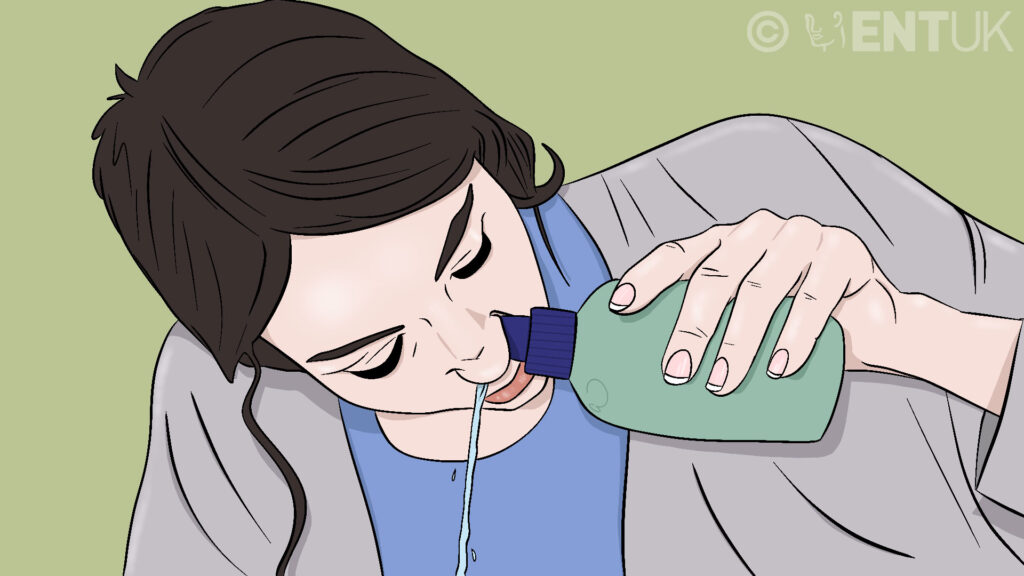
As a parent, it’s natural to wonder if nasal lavages are truly beneficial for your child. The answer lies in understanding the purpose and benefits of these simple yet effective procedures.
What Are Nasal Lavages?
Nasal lavages, also known as saline irrigations or neti pots, involve flushing out the nasal passages with a saltwater solution to remove mucus, allergens, and other debris that can cause irritation and discomfort. This practice is especially important for young children, who are more prone to developing respiratory issues due to their developing immune systems.
Why Are Nasal Lavages Necessary?
Nasal lavages serve several purposes:
- Remove Mucus: The nasal passages produce mucus, which helps trap allergens, viruses, and bacteria. However, excessive mucus can lead to congestion and breathing difficulties. Nasal lavages help remove excess mucus, ensuring the nasal passages function properly.
- Prevent Allergies: By flushing out allergens and other irritants, nasal lavages reduce the risk of developing allergies or exacerbating existing ones.
- Maintain Nasal Health: The nasal passages play a crucial role in our overall health. Nasal lavages help maintain their cleanliness and function, preventing conditions like sinusitis, otitis media, and bronchitis.
Who Benefits from Nasal Lavages?
Nasal lavages are beneficial for:
- Young Children: Infants and toddlers under the age of six benefit greatly from nasal lavages due to their developing immune systems. Regular use helps prevent respiratory issues and promotes healthy nasal development.
- Allergy Sufferers: Individuals with allergies can find relief by regularly using nasal lavages, which help reduce exposure to allergens and other irritants.
- Individuals Living in Polluted Areas: Those living in areas with high levels of air pollution or pollution from industrial activities can benefit from nasal lavages, as they help remove pollutants and debris from the nasal passages.
Benefits for Infants
Nasal lavages offer several benefits for infants:
- Reducing Congestion: Regular use helps reduce congestion and make breathing easier for newborns.
- Promoting Healthy Nasal Development: Nasal lavages help maintain a healthy environment in the nasal passages, reducing the risk of developing respiratory issues later in life.
- Preventing Ear Infections: Infants who receive regular nasal lavages are less likely to develop ear infections, which can be caused by the buildup of mucus and bacteria in the Eustachian tube.
Benefits for Children with Allergies
Children with allergies can benefit from nasal lavages:
- Reducing Symptoms: Regular use helps alleviate symptoms such as congestion, sneezing, and runny nose.
- Preventing Allergic Reactions: Nasal lavages reduce the amount of allergens that enter the body, minimizing the risk of allergic reactions.
- Promoting Healthy Immune Function: By reducing exposure to allergens, nasal lavages help promote healthy immune function and prevent over-reliance on medication.
Benefits for Individuals Living in Polluted Areas
Individuals living in areas with high levels of air pollution or pollution from industrial activities can benefit from nasal lavages:
- Removing Pollutants: Regular use helps remove pollutants and debris from the nasal passages, reducing inflammation and irritation.
- Preventing Respiratory Issues: Nasal lavages reduce the risk of developing respiratory issues such as asthma and chronic bronchitis.
- Promoting Healthy Lung Function: By removing pollutants and irritants, nasal lavages promote healthy lung function and overall well-being.
How to Perform Nasal Lavages Safely
To perform nasal lavages safely and effectively:
- Use Sterile Equipment: Ensure that all equipment used for nasal lavages is sterile and disposable to prevent contamination.
- Warm the Solution: Warm the saline solution before use, as this will help reduce discomfort during the process.
- Maintain Proper Technique: Follow proper technique when inserting the squeeze bottle or neti pot into the nostril. Make sure the water flows gently and doesn’t push too hard.
Best Practices for Nasal Lavages
To get the most out of nasal lavages, follow these best practices:
- Use a Neti Pot or Squeeze Bottle: Choose a neti pot or squeeze bottle specifically designed for nasal lavages. Avoid using regular drinking glasses or cups.
- Clean and Sanitize Equipment Regularly: Clean and sanitize equipment after each use to prevent the spread of infections.
- Monitor Nasal Passages: After performing nasal lavages, monitor your child’s nasal passages for any signs of irritation or discomfort.
Common Mistakes to Avoid
Some common mistakes people make when using a neti pot or squeeze bottle for the first time:
- Not Warming the Solution Properly: Failing to warm the solution can cause discomfort and reduce its effectiveness.
- Inserting the Nozzle Too Far into the Nostril: Inserting the nozzle too far into the nostril can cause irritation and discomfort.
- Using Tap Water Instead of Sterile Water: Using tap water instead of sterile water increases the risk of contamination and infection.
Tips for Parents
As a parent, here are some tips to keep in mind:
- Consult Your Pediatrician: Consult with your pediatrician before starting nasal lavages, especially if there are concerns about your child’s health.
- Supervise Children Under Six: Supervise children under six years old when performing nasal lavages to ensure proper technique and safety.
- Use a Neti Pot or Squeeze Bottle Specifically Designed for Nasal Lavages: Choose a neti pot or squeeze bottle specifically designed for nasal lavages to minimize the risk of contamination and infection.
By following these guidelines and best practices, you can help ensure your child maintains healthy nasal passages and reduces their risk of developing respiratory issues. Consult a healthcare professional for personalized advice on how to perform nasal lavages safely and effectively.


