
Understanding the Problem of Pesticides in Agriculture
The world relies heavily on agriculture, but the use of pesticides has become a major concern. Every year, pests and parasites threaten the stability of agricultural activities, putting the entire food chain at risk. As a result, it’s essential to find alternative solutions that are both effective and environmentally friendly.
Enter Samule Gan Mor’s Revolutionary Idea
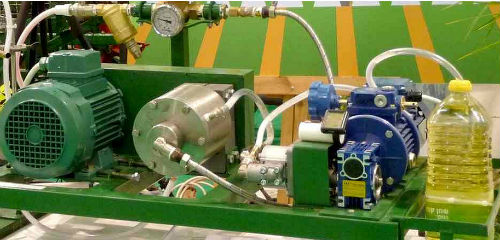
Israeli scientist Samule Gan Mor created a biodegradable solution to combat pests without harming the environment or human health. His innovative approach involves mixing various vegetable oils, such as soybean oil, cottonseed oil, rapeseed oil, and olive oil, to produce a pesticide-free formula.
The Science Behind the Solution
Gan Mor’s discovery is based on the fact that plant-based oils contain compounds that can disrupt the respiratory systems of insects (parasites) and limit their mobility. By harnessing these natural properties, his team developed a pesticide-free alternative that outperforms conventional pesticides in terms of efficacy and safety.
Key Benefits of Vegetable Pesticides
Compared to traditional pesticides, vegetable-based solutions offer several advantages:
- Environmental Safety: The new formula is non-toxic and biodegradable, posing no risk to human health or the environment.
- Increased Efficacy: The combination of oils provides a more effective solution against pests and parasites than conventional pesticides.
- Lower Costs: The production process is less expensive compared to traditional pesticide manufacturing.
A Shift Towards Sustainable Agriculture
The use of vegetable pesticides represents a significant step towards sustainable agriculture. By adopting eco-friendly practices, we can:
- Reduce Chemical Use: Minimize the reliance on synthetic chemicals that harm the environment and human health.
- Promote Biodiversity: Support a healthier ecosystem by encouraging the growth of beneficial microorganisms and reducing pesticide residues.
The Impact of Vegetable Pesticides on Crop Yield
Research has shown that vegetable pesticides can lead to increased crop yields. This is because:
- Improved Soil Health: The biodegradable nature of vegetable pesticides allows them to break down in soil, promoting healthy microbial activity.
- Increased Water Efficiency: By reducing the need for chemical-based fertilizers, vegetable pesticides help farmers conserve water resources.
Challenges and Limitations of Vegetable Pesticides
While vegetable pesticides offer a promising solution to sustainable agriculture, there are challenges and limitations that must be addressed:
- Scalability: Large-scale production of vegetable pesticides is still in its infancy, making it difficult to meet the demands of commercial farming.
- Regulatory Frameworks: Existing regulations around pesticide use may need to be revised to accommodate the new biodegradable formula.
Conclusion
The vegetable pesticide solution offers a promising alternative to traditional pesticides. By leveraging natural compounds found in plant-based oils, we can create a more sustainable and environmentally friendly approach to agriculture. As we move forward, it’s essential to adopt eco-friendly practices that prioritize human health and the well-being of our planet.
Frequently Asked Questions
- What are the main ingredients used in vegetable pesticides?
Vegetable pesticides typically combine soybean oil, cottonseed oil, rapeseed oil, and olive oil. - Are vegetable pesticides as effective as traditional pesticides?
The new formula is often more effective than conventional pesticides due to its unique blend of natural compounds. - Can vegetable pesticides be applied before harvesting crops?
Yes, the pesticide-free solution can be applied both before and after planting, ensuring a healthy and pest-free crop. - Are there any potential drawbacks to using vegetable pesticides?
While the new formula is generally safer than traditional pesticides, some users may find it more expensive or harder to produce. - Can vegetable pesticides be used on all types of crops?
The effectiveness and safety of vegetable pesticides depend on the specific type of crop being grown. Consult with a farming expert before using this solution. - How can I get started with growing my own vegetables using vegetable pesticides?
Begin by researching suitable crops, selecting a pesticide-free formula, and following proper application guidelines to ensure optimal results.
By adopting sustainable agricultural practices and embracing innovative solutions like vegetable pesticides, we can create a healthier environment for future generations.


