
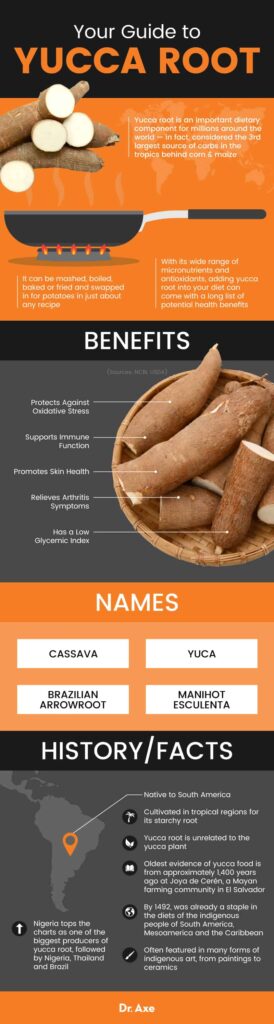
As we delve into the world of ancient plants, one name that stands out is Yucca. While it may share a similar name with another plant whose roots are not edible, our focus is on the Yucca Manioca, a plant with a rich history dating back 6,600 years. This versatile root has been a staple in the diets of the Maya civilization and continues to be a valuable resource today.
Characteristics of Yucca
Our Yucca Manioca originates from the Americas, specifically the central and southern regions. It is an evergreen shrub that thrives in tropical forests. The root system is its most notable feature, resembling a carrot with a rough, brown skin. This rugged exterior belies the creamy white interior of the root, which becomes reddish-brown upon exposure to air.
The Yucca Manioca plant can grow up to 3 meters tall and has a spread of around 1 meter. It is native to the tropical forests of Central and South America, where it grows in well-drained soil and full sun. The plant’s evergreen nature means that it retains its leaves year-round, providing shade and protection from harsh weather conditions.
The Root: A Nutritious Treasure
Only the root of this plant is edible and can grow up to 80 cm in length and 5 cm in diameter. It belongs to the Euphorbiaceae family, which includes both bitter and sweet varieties. The sweet variety has a smooth skin, while the bitter one has a rough, prickly texture.
The Yucca Manioca root is rich in essential nutrients, including:
- Phenylalanine: an amino acid that plays a crucial role in protein synthesis
- Methionine: an amino acid involved in the production of energy and other bodily functions
- Tryptophan: an amino acid necessary for the production of serotonin, a neurotransmitter that regulates mood
The root also contains various carbohydrates, iron, calcium, and vitamin B3. However, it is low in amylase and protein, making it an ideal food option for those with celiac disease or gluten intolerance.
Properties and Uses
The Yucca Manioca root has been used for centuries by indigenous communities to treat various health issues. Its variety of bitter is used as a natural remedy for diarrhea, while the sweet variety acts as an anti-inflammatory agent, antibacterial agent, and diuretic.
When fresh and crushed, the root can be used to treat skin conditions such as eczema and acne due to its antimicrobial properties. Additionally, it has been traditionally used as a treatment for bronchitis and asthma due to its expectorant properties.
Precautions
While the Yucca Manioca offers numerous health benefits, it’s crucial to consume it in moderation and cook it thoroughly. The root contains a toxin found only in its outer layer, which should be removed before consumption. This is particularly important for those who prefer their root raw.
Consuming large quantities of Yucca Manioca may lead to gastrointestinal issues due to its high fiber content. Pregnant or breastfeeding women should consult a healthcare professional before consuming the root, as its effects on fetal development and infant health are not well understood.
Culinary Uses
This versatile root can be prepared in various ways: fried or cooked in water, used as an additive to soups, stews, or desserts, or even made into sweet treats like cakes and cookies. The Yucca Manioca flour, also known as tapioca, is a staple ingredient in many South American desserts.
In Brazil, it’s often served as beiju (a crepe-like snack) along with meat and cheese. In other parts of the world, it’s used to make traditional dishes like feijoada with farofa (toasted manioc flour) and pão de queijo (cheese bread).
Traditional Recipes
Some traditional dishes featuring the Yucca Manioca root include:
- Pão de queijo: a Brazilian cheese bread made with tapioca flour, cheese, and eggs
- Cassava cake: a sweet dessert made with cassava flour, sugar, and coconut milk
- Feijoada: a hearty stew made with beans, meat, and farofa (toasted manioc flour)
- Beiju: a Brazilian crepe-like snack made with tapioca flour, eggs, and cheese
Conclusion
In conclusion, the Yucca Manioca is a nutrient-rich plant with impressive therapeutic properties. Its versatility in culinary uses makes it an excellent addition to many traditional recipes. When consumed properly, this ancient root offers numerous health benefits, making it an ideal ingredient for those seeking natural remedies.
Frequently Asked Questions (FAQs)
- What is the difference between Yucca and cassava?
Yucca Manioca is a specific variety of cassava (Manihot esculenta) that originates from the Americas. Cassava, on the other hand, refers to a broader genus of plants. - Can I eat raw Yucca root?
No, it’s essential to cook and process the root thoroughly before consumption due to its toxin content. - What are the benefits of consuming Yucca Manioca flour (tapioca)?
Tapioca is a rich source of carbohydrates and has been used for centuries as an additive in various desserts. - Can I use Yucca Manioca root as a substitute for other grains?
No, while it can be used as a gluten-free alternative, its nutritional profile differs significantly from other grains. - How do I prepare Yucca Manioca for consumption?
The root should be cooked thoroughly and then removed of any outer layer to ensure safe consumption. - What are some potential side effects of consuming excessive amounts of Yucca Manioca?
While generally considered safe, consuming large quantities may lead to gastrointestinal issues due to its high fiber content. - Can I consume Yucca Manioca root during pregnancy or breastfeeding?
As with any new food, consult a healthcare professional before consumption, especially during critical life stages. - How can I incorporate more Yucca Manioca into my diet?
Experiment with various recipes and use it as an additive in soups, stews, or desserts to enhance flavor and nutrition.
By exploring the unique characteristics, benefits, and uses of Yucca Manioca, we hope to inspire you to experiment with this ancient plant’s versatility and culinary potential.


