
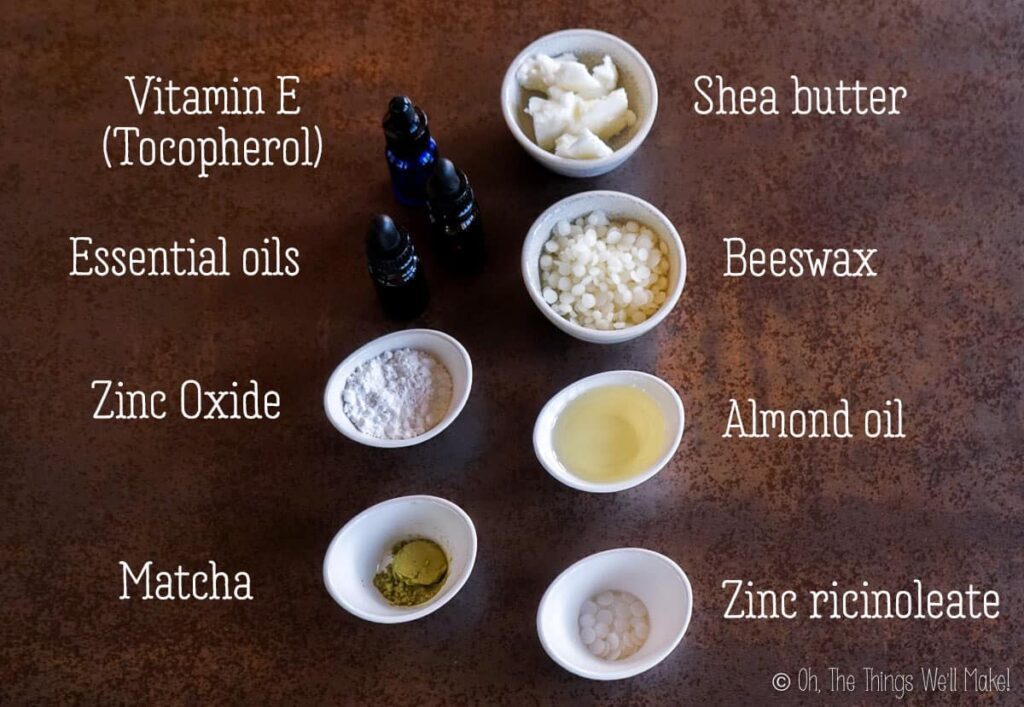
Are you tired of using commercial deodorants that can be harsh on your skin? Do you want a natural and eco-friendly alternative that is also budget-friendly? You’re not alone. With just a few simple ingredients, you can create your own natural deodorant for the body that is tailored to your specific needs.
Why Make Your Own Deodorant?
While commercial deodorants may be convenient, they often contain harsh chemicals and artificial fragrances that can irritate your skin and disrupt your body’s natural balance. By making your own deodorant, you can avoid these ingredients and create a product that is gentle on your skin while still keeping you fresh and odor-free.
Understanding the Ingredients
Before we dive into the recipe, let’s take a closer look at some common ingredients found in commercial deodorants. Saponins, for example, can be harsh on the skin and disrupt its natural pH balance. Deodorants that contain artificial fragrances can also irritate your skin and cause allergic reactions.
The Science Behind Natural Deodorants
So, how do natural deodorants work? The key is to use ingredients that help to control body odor naturally, without relying on harsh chemicals or artificial fragrances. For example, baking soda (sodium bicarbonate) can absorb moisture and reduce odors. Essential oils like tea tree oil and lavender oil have antimicrobial properties that can help to prevent the growth of bacteria that cause body odor.
Benefits of Making Your Own Deodorant
Making your own deodorant has several benefits, including:
- Avoiding harsh chemicals and artificial fragrances
- Reducing exposure to toxins and pollutants
- Saving money by using natural ingredients
- Customizing the recipe to suit your skin type and needs
- Enjoying a more natural and eco-friendly option
Common Allergens in Commercial Deodorants
Commercial deodorants often contain common allergens like:
- Sulfates: Can cause skin irritation, redness, and itching
- Parabens: May mimic the effect of estrogen in the body, leading to hormonal imbalances
- Phthalates: Have been linked to reproductive problems and other health issues
- Synthetic fragrances: Can cause allergic reactions and respiratory problems
Tips for Making Your Own Deodorant
Here are some tips to keep in mind when making your own deodorant:
- Use high-quality, natural ingredients that are gentle on the skin
- Avoid using essential oils if you have sensitive skin or allergies
- Experiment with different recipes and ingredients to find what works best for you
- Consider adding other natural ingredients like arrowroot powder or baking soda to enhance the effectiveness of your deodorant
Recipe 1: Natural Deodorant in Powder
Making your own deodorant powder is easy and inexpensive. Here’s a simple recipe:
- 2 tablespoons baking soda
- 1 tablespoon coconut oil
- 10 drops tea tree essential oil
Mix all ingredients together until you get a smooth, powdery texture. Store in an airtight container and apply to your underarms as needed.
Recipe 2: Natural Deodorant Cream
For a creamier deodorant, try this recipe:
- 1/4 cup coconut oil
- 1/4 cup shea butter
- 10 drops lavender essential oil
Mix all ingredients together until you get a smooth, creamy texture. Store in an airtight container and apply to your underarms as needed.
Recipe 3: Natural Deodorant Spray
For a convenient spray deodorant, try this recipe:
- 1 tablespoon baking soda
- 2 tablespoons water
- 10 drops lemon essential oil
Mix all ingredients together until you get a smooth, liquid texture. Store in an airtight container and shake well before use.
Conclusion
Making your own natural deodorant is easier than you think, and it’s a great way to avoid harsh chemicals and artificial fragrances. With just a few simple ingredients, you can create a product that is tailored to your specific needs and keeps you fresh and odor-free. So why not give it a try?
Frequently Asked Questions
Here are some frequently asked questions about making your own natural deodorant:
Q: How long does it take to make my own deodorant?
A: It usually takes around 10-15 minutes to mix together the ingredients.
Q: Can I customize my recipe to suit my skin type?
A: Absolutely! You can adjust the ratio of baking soda to coconut oil and add different essential oils to create a product that works best for your skin.
Q: Will my homemade deodorant be as effective as commercial deodorants?
A: Yes, many people find that their homemade deodorant is just as effective as commercial deodorants, but without the harsh chemicals and artificial fragrances.
Q: Can I use essential oils if I have sensitive skin?
A: Yes, some essential oils like tea tree oil are generally considered safe for sensitive skin. However, it’s always a good idea to do a patch test before using a new product.
Q: How often should I reapply my homemade deodorant?
A: You can reapply your homemade deodorant as needed throughout the day, but aim to apply it at least twice a day.
Q: Can I make my own deodorant if I have active sports or physical activity?
A: Yes, you can adjust your recipe to include additional ingredients like baking soda or arrowroot powder to help keep you dry and odor-free during intense activities.
Q: How long will my homemade deodorant last?
A: The shelf life of your homemade deodorant depends on how well you store it. If you store it in an airtight container and keep it cool, dry, and away from direct sunlight, it can last for several months.


