
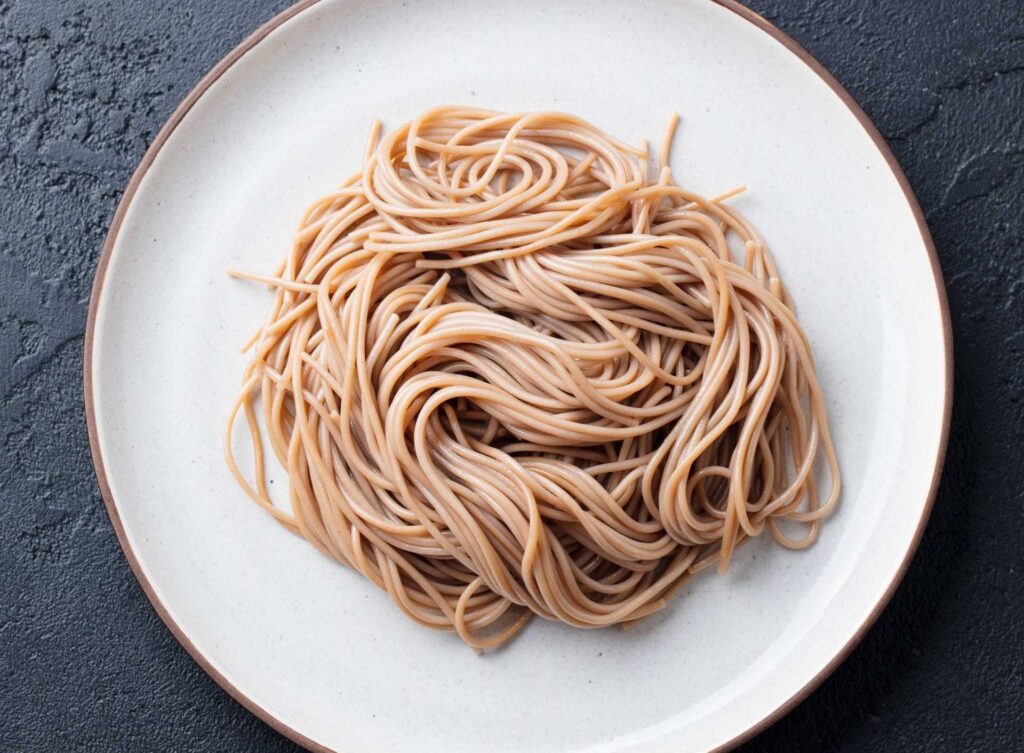
Introduction to Soba
Soba, a traditional Japanese noodle dish, is made from buckwheat flour and water. Despite its name, soba does not contain gluten, making it an excellent option for those with gluten intolerance or sensitivity.
In this article, we will delve into the history of soba, explore its cultural significance, and provide tips on how to prepare this delicious noodle dish at home.
A Brief History of Soba
The use of soba dates back to the Edo period in Japan, specifically between the 17th and 18th centuries. During this time, the traditional Japanese diet was heavily influenced by Buddhism, which emphasized the importance of a balanced and nutritious diet.
Soba was initially consumed as a way to alleviate symptoms of beriberi, a condition caused by vitamin B1 deficiency. The buckwheat flour used in soba was rich in thiamine, making it an effective treatment for this disease.
Toshikoshi Soba: A New Year’s Tradition
One of the most unique and fascinating aspects of soba is its connection to Japanese New Year’s celebrations. Toshikoshi soba, a type of soba served on December 31st, is believed to bring good luck and longevity in the coming year.
The tradition dates back to the Edo period, where it was customary to serve soba during New Year’s Eve as a way to honor the gods and wish for a prosperous new year. The long, thin noodles were thought to possess spiritual powers, warding off evil spirits and bringing good fortune.
How to Cook Soba
To truly appreciate the taste and texture of soba, it is essential to cook it using traditional Japanese methods. Here are a few tips to get you started:
- Use a dashi broth: A traditional Japanese broth made from kombu seaweed and katsuobushi (dried bonito flakes).
- Add some acidity: A squeeze of fresh yuzu or lemon juice will enhance the flavors of the soba.
- Top with seasonal ingredients: Chopped scallions, grated daikon, and pickled ginger are classic toppings for soba.
Zaru Soba: The Traditional Japanese Way
One of the most iconic ways to serve soba is through zaru soba, a traditional Japanese method that involves serving the noodles in a cold broth. This style is perfect for hot summer days when you want to enjoy a refreshing and revitalizing meal.
To make zaru soba, simply boil some water and add the soba noodles. Serve them in a shallow bowl with a dipping sauce made from dashi, soy sauce, and mirin. Garnish with thinly sliced scallions and grated daikon for added flavor and texture.
Types of Soba
There are several types of soba available in Japan, each with its unique characteristics and flavors. Here are a few popular varieties:
- Toshikoshi soba: A type of soba served during New Year’s celebrations.
- Yakisoba: A stir-fried noodle dish made from wheat flour noodles.
- Shina soba: A type of soba made from wheat flour and often served with a sweet soy sauce.
Where to Buy Soba
Soba can be found in many Asian markets or online retailers. Here are a few popular places to buy soba:
- Amazon: Offers a wide selection of soba noodles, including traditional Japanese varieties and modern fusions.
- Asian grocery stores: Visit your local Asian market for a variety of soba noodles and traditional Japanese ingredients.
Conclusion
Soba is more than just a noodle dish – it’s an experience that connects us to Japan’s rich culinary heritage. By exploring its history, cultural significance, and preparation methods, we can deepen our appreciation for this delicious and nutritious food.
Whether you’re a seasoned sushi enthusiast or just starting your Japanese culinary journey, soba is an excellent choice for any meal. So go ahead, give it a try, and taste the magic of Japan’s ancient noodle traditions.
Frequently Asked Questions
Q: What is soba made from?
A: Soba is made from buckwheat flour and water.
Q: Is soba gluten-free?
A: Yes, soba is naturally gluten-free due to its buckwheat content.
Q: How do I cook soba?
A: To cook soba, use a dashi broth and add some acidity with yuzu or lemon juice. Top with seasonal ingredients like scallions and daikon for added flavor and texture.
Q: What is zaru soba?
A: Zaru soba is a traditional Japanese method of serving soba in a cold broth. It’s perfect for hot summer days when you want to enjoy a refreshing meal.
Q: Can I buy soba noodles online?
A: Yes, many online retailers like Amazon offer a wide selection of soba noodles and traditional Japanese ingredients.
Q: What are the different types of soba?
A: There are several types of soba available in Japan, including toshikoshi soba, yakisoba, and shina soba. Each variety has its unique characteristics and flavors.
Q: How do I store soba noodles?
A: To store soba noodles, keep them in an airtight container or plastic bag to prevent drying out.
Soba Noodle Recipes
Here are a few delicious soba noodle recipes for you to try at home:
- Classic Soba Noodle Soup: A traditional Japanese broth made from dashi, soy sauce, and mirin. Serve with chopped scallions and grated daikon.
- Soba Salad Noodles: A refreshing salad made from soba noodles, mixed greens, cherry tomatoes, and a citrus vinaigrette dressing.
- Stir-Fried Soba Noodles: Stir-fry soba noodles with vegetables like bell peppers, carrots, and broccoli, served with a sweet soy sauce.
Tips for Choosing the Best Soba Noodles
When choosing soba noodles, consider the following factors:
- Quality of ingredients: Look for noodles made from high-quality buckwheat flour.
- Texture: Choose noodles with a nice texture, neither too soft nor too hard.
- Flavor: Opt for noodles with a mild flavor that complements your favorite sauces and toppings.
Conclusion
Soba is more than just a noodle dish – it’s an experience that connects us to Japan’s rich culinary heritage. By exploring its history, cultural significance, and preparation methods, we can deepen our appreciation for this delicious and nutritious food.
Whether you’re a seasoned sushi enthusiast or just starting your Japanese culinary journey, soba is an excellent choice for any meal. So go ahead, give it a try, and taste the magic of Japan’s ancient noodle traditions.
Appendix
Here are some additional resources to help you explore the world of soba:
- Soba Noodle Recipes: Find inspiration in our collection of delicious soba noodle recipes.
- Tips for Cooking Soba: Learn how to cook soba like a pro with our comprehensive guide.
- Where to Buy Soba Noodles: Discover where to buy high-quality soba noodles online or in-store.
Glossary
Here’s a list of key terms related to soba:
- Buckwheat flour: The main ingredient in traditional Japanese soba noodles.
- Dashi broth: A traditional Japanese broth made from kombu seaweed and katsuobushi (dried bonito flakes).
- Mirin: A sweet Japanese cooking wine often used as a topping for soba noodles.
- Toshikoshi soba: A type of soba served during New Year’s celebrations.
Soba Noodle Fun Facts
Here are some interesting facts about soba:
- Buckwheat is a superfood: Buckwheat is rich in nutrients, including protein, fiber, and minerals.
- Soba noodles have a long history: Soba noodles have been consumed in Japan for over 400 years.
- Toshikoshi soba is a big deal: Toshikoshi soba is believed to bring good luck and longevity in the coming year.
Conclusion
By exploring the world of soba, we can deepen our appreciation for this delicious and nutritious food. Whether you’re a seasoned sushi enthusiast or just starting your Japanese culinary journey, soba is an excellent choice for any meal. So go ahead, give it a try, and taste the magic of Japan’s ancient noodle traditions.
Bonus Recipe
Here’s a simple recipe to get you started:
Ingredients:
- 1 cup soba noodles
- 2 cups dashi broth
- 1 tablespoon soy sauce
- 1 tablespoon mirin
- Chopped scallions and grated daikon for garnish
Instructions:
- Cook the soba noodles according to the package instructions.
- In a separate pot, heat the dashi broth over medium heat.
- Add the cooked soba noodles to the dashi broth and stir-fry until well combined.
- Season with soy sauce and mirin to taste.
- Garnish with chopped scallions and grated daikon.
Enjoy your delicious soba noodle soup!


