
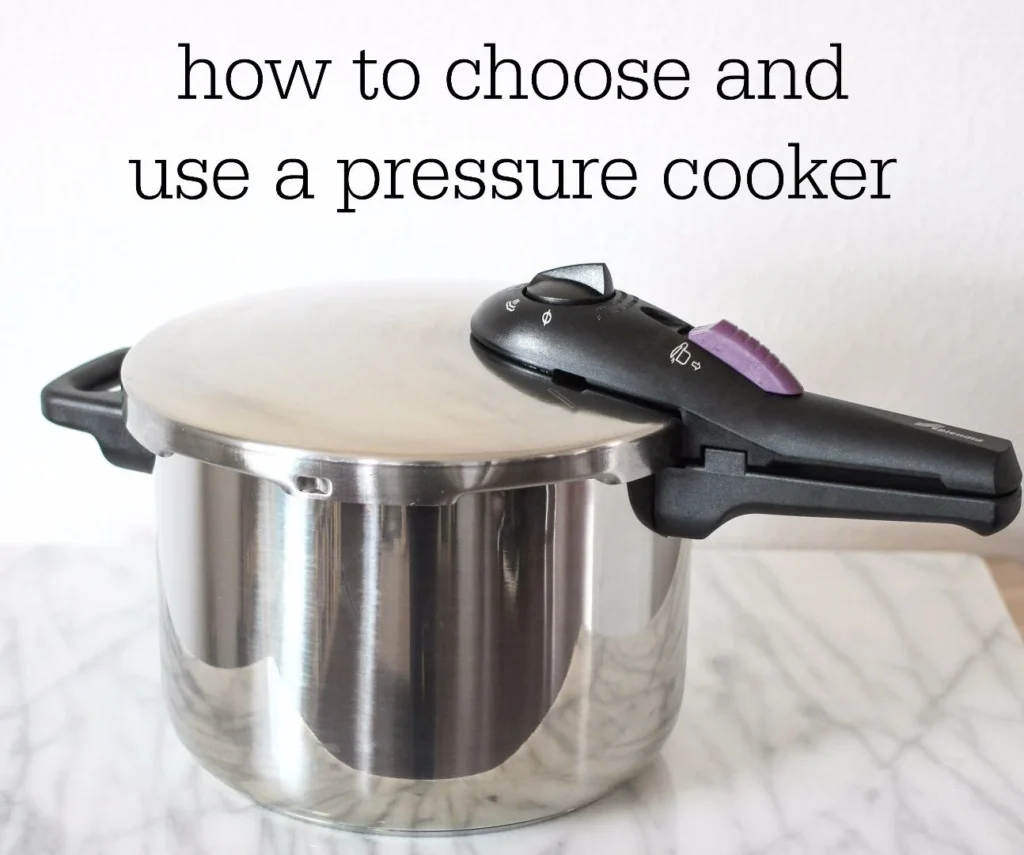
Getting Started with Your Pressure Cooker
Congratulations on taking the first step towards cooking like a pro! A pressure cooker is an excellent addition to any kitchen, and with this guide, you’ll learn how to use it like a seasoned chef.
Pressure cookers have been around for centuries, but their popularity has experienced a resurgence in recent years due to advancements in technology and design. Today’s pressure cookers are not only functional but also stylish, making them a great addition to any kitchen.
Benefits of Cooking with a Pressure Cooker
Cooking in a pressure cooker offers numerous benefits, including:
- Shortened cooking times: Pressure cookers can reduce cooking time by up to 70% compared to traditional methods. This is especially beneficial for busy home cooks who want to prepare meals quickly.
- Preserved nutrients: The high pressure and heat of the pressure cooker help break down cell walls, making it easier for the body to absorb nutrients from food.
- Easy digestion: Pressure cooking breaks down protein and starches into smaller molecules, making them easier to digest. This is especially beneficial for people with digestive issues.
By minimizing the time spent on cooking, you can enjoy your favorite dishes while retaining their nutritional value. Additionally, cooking with a pressure cooker is easier on your stomach than traditional methods.
Choosing the Right Pressure Cooker
Not all pressure cookers are created equal. When selecting one, consider the following factors:
- Size: Choose a size that suits your needs. A larger capacity means you can cook more food at once, but it also takes up more space on your stovetop.
- Material: Look for durable and heat-resistant materials like stainless steel or hard anodized aluminum. These materials can withstand high pressure and temperatures without losing their shape or flavor.
- Safety features: Ensure the pressure cooker has a secure lid, locking mechanism, and steam release valve to prevent accidents.
A good rule of thumb is to select a pressure cooker with a capacity of at least 1 liter per person. For smaller families, you can opt for a 3-5 liter model.
Cooking with Steam in Your Pressure Cooker
One of the most significant advantages of using a pressure cooker is its ability to cook food without direct contact between water and food. This steam cooking method ensures that your dishes are cooked evenly, retaining their flavors and textures.
To achieve this effect, simply add a steamer basket or insert to your pressure cooker. This allows you to cook a variety of foods, including vegetables, seafood, and even grains, while preserving their nutrients and flavors.
Basic Pressure Cooker Techniques
Using a pressure cooker is relatively simple, but it does require some basic techniques:
- Fill the pressure cooker with water: Leave about 1-2 inches at the top to ensure proper steam circulation.
- Add your ingredients: Be mindful of portion sizes and avoid overfilling the pot.
- Close the lid: Ensure the valve is set to “sealing” before each use to prevent excessive steam buildup.
- Place the pressure cooker on high heat: Monitor the pressure gauge closely, and reduce heat when necessary.
Once the pressure has been reached, reduce the heat and let it simmer for a few minutes. Then, turn off the heat and carefully open the lid, releasing any remaining steam.
Tips and Tricks
Here are some additional tips and tricks to help you master your pressure cooker:
- Use a gentle flow of water: When adding ingredients, use a gentle flow of water to prevent splashing.
- Don’t overcrowd the pot: Overcrowding can lead to uneven cooking and reduced efficiency. Cook in batches if necessary.
- Always follow manufacturer guidelines: Different pressure cookers have unique cooking times and techniques. Consult your user manual for specific guidance.
By following these tips and techniques, you’ll be well on your way to becoming a pressure cooker pro!
Common Pressure Cooker Mistakes
Don’t let common mistakes ruin your pressure cooking experience:
- Overfilling the pot: This can lead to explosions or reduced performance.
- Using the wrong size pot: Using a pot that’s too small can result in uneven cooking or overcooking.
- Not following manufacturer guidelines: This can compromise safety and performance.
FAQs
Here are some frequently asked questions about using a pressure cooker:
Q: How long do I need to cook food in a pressure cooker?
A: Cooking time will depend on the specific recipe, ingredients, and desired level of doneness. Refer to your user manual or online resources for guidelines.
Q: What is the best way to clean my pressure cooker?
A: Regularly wash your pressure cooker with mild soap and warm water. Avoid using abrasive materials that can damage the finish.
Q: Can I use a pressure cooker on electric stoves?
A: Yes, but be cautious when cooking on high heat or for extended periods. Always follow manufacturer guidelines and take necessary safety precautions.
Q: How do I prevent pressure buildup in my pressure cooker?
A: Regularly check your pressure cooker’s valve and ensure it is set to “sealing” before each use. This will help prevent excessive steam buildup.
Q: Can I add acidic ingredients to a pressure cooker?
A: Yes, but be cautious when adding acidic ingredients like tomatoes or citrus. Reduce cooking time and monitor the pressure cooker closely to avoid overcooking.
Q: How do I store my pressure cooker when not in use?
A: Store your pressure cooker in a dry location, away from direct sunlight. Regularly clean and maintain your pot to ensure optimal performance.
By following these guidelines and tips, you’ll be well-equipped to tackle even the most challenging recipes with confidence and ease. Happy cooking!


