
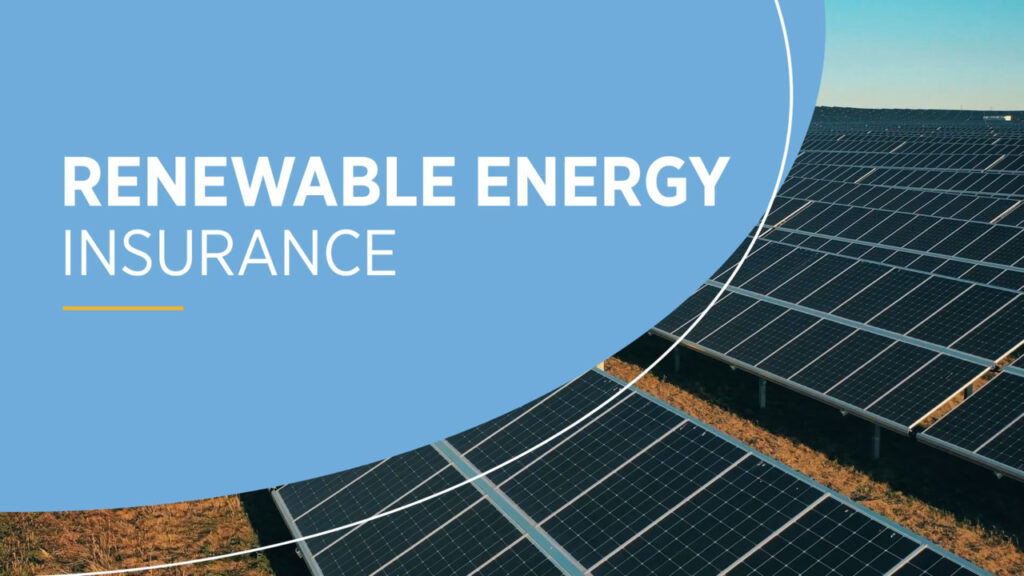
As the world shifts towards renewable energy, the insurance industry must adapt to new risks and opportunities. In this article, we’ll explore the emerging field of renewable energy insurance, its challenges, and potential solutions.
What is Renewable Energy Insurance?
Renewable energy insurance refers to the provision of insurance coverage for renewable energy sources, such as wind and solar power plants. This type of insurance aims to mitigate the risks associated with the production and distribution of clean energy.
The Rise of Renewable Energy
In recent years, the number of renewable energy installations has increased significantly, with a trend expected to continue in the future. This growth presents both opportunities and challenges for the insurance industry.
- Increased Risks: The unique characteristics of renewable energy sources, such as intermittent power generation, pose new risks for insurers.
- Emerging Opportunities: The growth of renewable energy also creates opportunities for insurers to offer innovative products and services that cater to the needs of clean energy developers and operators.
The Event: “L’Assicurazione delle Energie Rinnovabili”
In response to these challenges, Lloyd’s Italia organized an event on March 5th at the Casa dell’Energia in Milan. The goal was to provide a platform for experts to discuss the latest trends and developments in renewable energy insurance.
Key Takeaways from the Event
The event featured several keynote speakers who shared their insights on the future of renewable energy insurance:
- Enrico Bertagna, Country Manager Italy of Lloyd’s, emphasized the importance of adapting to new risks and opportunities in the renewable energy sector.
- Paolo Silva, from the Politecnico di Milano, discussed the role of renewable energy sources in the current energy landscape and their potential for growth.
- Warren Diogo and Valeria Del Villano, both underwriters from Ascot Renewco and Gcube, respectively, presented their perspectives on renewable energy insurance.
The Future of Renewable Energy Insurance
As the world continues to transition towards a low-carbon economy, renewable energy insurance will play an increasingly important role in mitigating risks and promoting sustainable development. Insurers must stay ahead of the curve by offering innovative products and services that cater to the needs of clean energy developers and operators.
Types of Renewable Energy Insurance
There are several types of renewable energy insurance available, each designed to address specific risks and challenges:
- Wind and Solar Insurance: Covers damage to wind turbines or solar panels caused by natural disasters, equipment failure, or other unforeseen events.
- Transmission Line Insurance: Protects against damage to transmission lines carrying electricity generated from renewable sources.
- Battery Storage Insurance: Covers losses due to battery degradation, theft, or misuse.
Challenges Facing the Industry
Despite the potential benefits of renewable energy insurance, the industry faces several challenges:
- Integrating New Risks and Opportunities: Insurers must adapt to new risks associated with intermittent power generation and emerging opportunities in the clean energy sector.
- Regulatory Frameworks: Uncertainty around regulatory frameworks and policies can make it difficult for insurers to develop effective renewable energy insurance products.
- Scalability: Renewable energy installations are often located in remote areas, making it challenging for insurers to provide adequate coverage.
Potential Solutions
To address the challenges facing the industry, insurers must adopt innovative solutions that cater to the needs of clean energy developers and operators:
- Data-Driven Underwriting: Leverage data analytics and machine learning algorithms to better assess risks and predict potential losses.
- Collaboration with Clean Energy Developers: Work closely with clean energy developers to develop tailored insurance products that meet their specific needs.
- Regulatory Engagement: Engage with policymakers and regulatory bodies to ensure that renewable energy insurance policies are aligned with industry best practices.
Conclusion
The future of renewable energy insurance is bright, but it also comes with its challenges. As the industry continues to evolve, insurers will need to adapt to new risks and opportunities while promoting sustainable development. By understanding the emerging trends and challenges in renewable energy insurance, insurers can develop innovative products and services that support the transition to a low-carbon economy.
Frequently Asked Questions (FAQs)
- What is renewable energy insurance?
- How does renewable energy insurance mitigate risks in the clean energy sector?
- What are the key challenges facing the industry in terms of renewable energy insurance?
- How can insurers adapt to new risks and opportunities in the renewable energy sector?
- What role will renewable energy insurance play in promoting sustainable development?
- What are some innovative products and services being offered by insurers in the renewable energy space?
- How can clean energy developers and operators access affordable and reliable insurance coverage?
- What are the long-term implications of renewable energy insurance for the insurance industry as a whole?


