
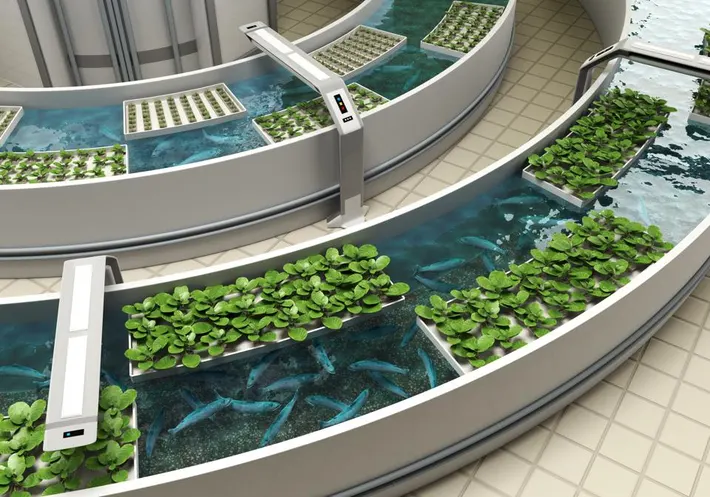
The Power of Aquaponics and Hydroponics: A Sustainable Agriculture Solution
Aquaponics is a thriving system that combines aquaculture (raising fish) with hydroponics (growing plants without soil). This synergy creates a mutually beneficial relationship between the two systems, making it an attractive option for farmers, entrepreneurs, and environmentally conscious individuals.
A Brief History of Aquaponics
The concept of aquaponics dates back to ancient civilizations, including the Aztecs around 1150-1350 AD. They built islands with plants on top and fish tanks below, creating a closed-loop system where waste from the fish was used as fertilizer for the plants. This practice has been largely forgotten, but modern-day aquaponics is experiencing a resurgence in popularity.
The Advantages of Aquaponics
Aquaponics offers numerous benefits, including:
- Water Conservation: By reusing water from the fish tanks to feed the plants, aquaponics can significantly reduce water waste and consumption.
- Reduced Chemical Use: The closed-loop system eliminates the need for chemical fertilizers and pesticides, making it a more sustainable option for farmers.
- Increased Crop Yield: Aquaponics allows for higher crop yields due to the optimized nutrient delivery system.
- Improved Water Quality: By using waste from the fish as fertilizer, aquaponics can improve water quality by removing excess nutrients.
Hydroponic Technologies
Hydroponics is a soilless cultivation method that uses nutrient-rich solutions to feed plants. There are several hydroponic technologies available, including:
- Nutrient Film Technique (NFT): This system involves passing nutrient-rich solution through narrow pipes, providing plants with a constant supply of nutrients.
- Ebb and Flow (Flood and Drain): This method involves flooding the growing area with nutrient-rich solution, allowing roots to absorb oxygen and nutrients before draining.
- Drip Irrigation: This technique involves delivering water and nutrients directly to the plant’s roots through a network of tubes.
Combining Aquaponics and Hydroponics
The synergy between aquaponics and hydroponics creates a highly efficient system that benefits both plants and fish. The process works as follows:
- Fish waste is converted into ammonia, which is then consumed by beneficial bacteria.
- These bacteria convert the ammonia into nitrate, a nutrient-rich fertilizer for plants.
- The nitrate solution is then pumped to the hydroponic system, where it’s absorbed by plant roots.
Modern Aquaponics and Hydroponics Applications
Aquaponics and hydroponics are increasingly being used in various industries, including:
- Urban Agriculture: These systems provide fresh produce to urban populations while minimizing water usage.
- Organic Farming: Aquaponics and hydroponics allow for the cultivation of organic crops without synthetic fertilizers or pesticides.
- Aquaculture: The integration of aquaponics with fish farming enables more efficient and sustainable production methods.
The Future of Aquaponics and Hydroponics
As concerns about climate change, water scarcity, and soil degradation grow, aquaponics and hydroponics are poised to become increasingly important in the agricultural sector. By adopting these sustainable practices, farmers can reduce their environmental footprint while improving crop yields and food security.
Benefits of Aquaponics for Farmers
Aquaponics offers several benefits for farmers, including:
- Increased Crop Yields: Aquaponics allows for higher crop yields due to the optimized nutrient delivery system.
- Improved Water Efficiency: By reusing water from the fish tanks, aquaponics can significantly reduce water waste and consumption.
- Reduced Chemical Use: The closed-loop system eliminates the need for chemical fertilizers and pesticides, making it a more sustainable option for farmers.
- Year-Round Production: Aquaponics allows for year-round production of crops, regardless of season or climate.
Challenges and Limitations
While aquaponics offers several benefits, there are also challenges and limitations to consider:
- High Initial Investment: Setting up an aquaponics system can require a significant initial investment in equipment and infrastructure.
- Energy Consumption: Aquaponics systems can consume significant amounts of energy, particularly if they involve the use of pumps and other mechanical components.
- Fish Disease Management: Aquaponics systems are vulnerable to fish disease outbreaks, which can have significant economic impacts on farmers.
Case Studies
Several case studies demonstrate the success of aquaponics in various industries:
- Urban Agriculture: The Green Sense project in Vancouver, Canada, uses aquaponics to provide fresh produce to urban populations while minimizing water usage.
- Organic Farming: The Organic Valley farm in Wisconsin, USA, uses aquaponics to cultivate organic crops without synthetic fertilizers or pesticides.
- Aquaculture: The Fish2Farming project in the Netherlands uses aquaponics with fish farming to enable more efficient and sustainable production methods.
Conclusion
Aquaponics is a thriving system that combines aquaculture (raising fish) with hydroponics (growing plants without soil). By adopting these sustainable practices, farmers can reduce their environmental footprint while improving crop yields and food security. While there are challenges and limitations to consider, the benefits of aquaponics make it an attractive option for farmers, entrepreneurs, and environmentally conscious individuals.
FAQs
- What is aquaponics, and how does it work?
- How does aquaponics compare to traditional farming methods?
- What are the benefits of using hydroponics in aquaponics systems?
- Can aquaponics be used for small-scale or backyard farming?
- How much water is required for an aquaponics system?
- What types of fish and plants are best suited for aquaponics?
- How do I maintain a healthy aquaponics ecosystem?
- Can aquaponics be integrated with other sustainable practices, such as organic farming?


