
Understanding the Importance of Febrile Measurement
Measuring fever is a crucial aspect of self-care that everyone should be able to master. The primary goal is to determine the body temperature, which serves as an indicator of overall health status. There are various methods for measuring fever, each with its own advantages and limitations.
Methods of Fever Measurement
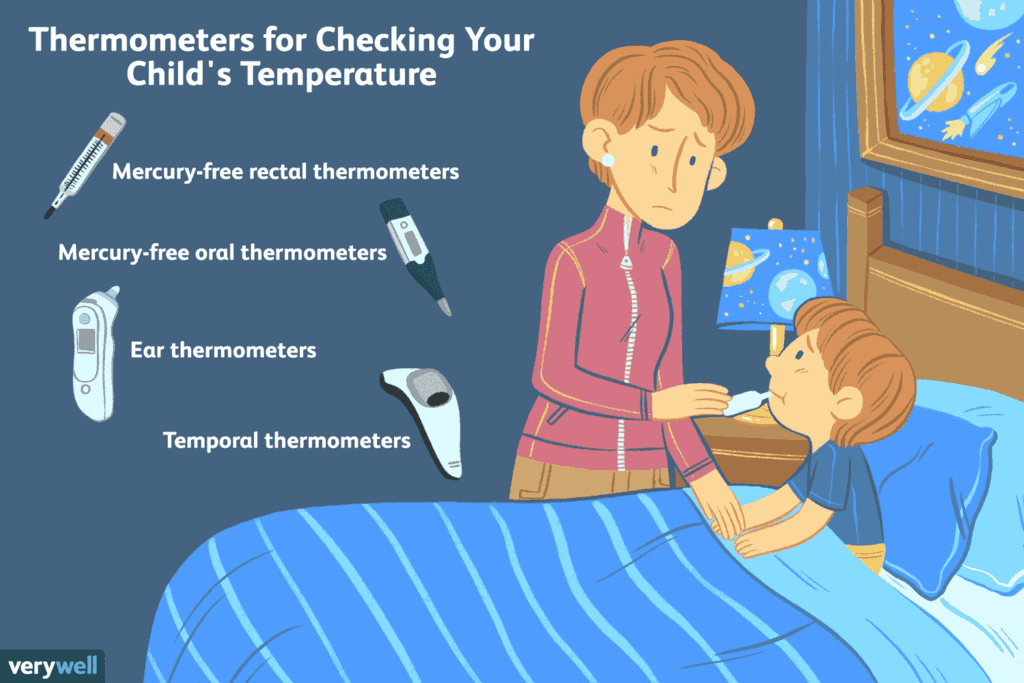
Different parts of the body can be used to measure fever, including:
- Front: This method involves using a thermometer to take a reading on the forehead.
- Ears: The ear canal is another common location for measuring fever.
- Lower back: Some thermometers are designed to measure temperature on the lower back.
- Armpits: The armpit area can also be used as a measurement site.
- Mouth: Oral thermometry involves inserting a thermometer into the mouth.
The accuracy of these methods can vary, and some may be more reliable than others. The most accurate method is typically considered to be the temperature taken from the rectum using a digital thermometer.
Digital Thermometers: A Fast and Accurate Option
Modern digital thermometers have made it possible to quickly and accurately measure fever. These thermometers use infrared sensors or contactless measurement methods, allowing for rapid readings on both the forehead and in the ear canal.
Some benefits of using digital thermometers include:
- Faster measurements
- Higher accuracy
- Convenience
However, some users may find these thermometers less precise than traditional mercury-based thermometers. Nonetheless, their portability and ease of use make them an attractive option for many individuals.
Oral Thermometry: A Less Common but Effective Method
Oral thermometry involves inserting a thermometer into the mouth to measure body temperature. This method is often used in combination with other techniques, such as checking the ear canal or armpit temperature.
To ensure accurate results, it’s essential to follow proper oral thermometry procedures, including:
- Ensuring the thermometer is inserted correctly
- Using the correct measurement location
- Reading the thermometer accurately
Rectal Thermometry: A Method for Accurate Results
Rectal thermometry involves inserting a thermometer into the rectum to measure body temperature. This method provides accurate results and is commonly used in clinical settings.
However, rectal thermometry can be uncomfortable and may require some time to administer. To minimize discomfort, it’s recommended to use digital thermometers with rapid measurement capabilities or to have someone assist with the process.
Factors Influencing Thermometry Results
Several factors can impact the accuracy of thermometry results, including:
- Temperature environment: Extreme temperatures can affect thermometer readings.
- Hygiene practices: Poor hygiene can lead to inaccurate readings.
- Methodology used: The technique and equipment used for thermometry can influence accuracy.
It’s essential to consider these factors when interpreting thermometry results and to take necessary precautions to ensure accurate measurements.
Conclusion: Mastering Thermometry for Accurate Fever Measurement
Measuring fever accurately requires a combination of knowledge, the right tools, and proper techniques. By understanding different methods, choosing the most suitable approach, and following best practices, individuals can master thermometry and enjoy improved overall health and well-being.
Best Practices for Thermometry
To ensure accurate results, it’s essential to follow these best practices:
- Use a high-quality thermometer
- Read temperature accurately
- Avoid interfering with natural bodily processes
- Stay hydrated and maintain good hygiene
Common Misconceptions about Fever Measurement
There are several common misconceptions about fever measurement that can lead to inaccurate results. Some of the most common include:
- Assuming a fever is always high: Body temperature can vary depending on age, health, and environmental factors.
- Using a thermometer incorrectly: Improper use of thermometers can lead to inaccurate readings.
- Failing to account for external influences: Temperature environment, hygiene practices, and methodology used can all impact accuracy.
Conclusion
Measuring fever accurately is an essential aspect of self-care that requires knowledge, the right tools, and proper techniques. By understanding different methods, choosing the most suitable approach, and following best practices, individuals can master thermometry and enjoy improved overall health and well-being.
Frequently Asked Questions (FAQs)
Q: What is the most accurate method for measuring fever?
A: Rectal thermometry is typically considered the most accurate method for measuring fever due to its high degree of accuracy and reliability.
Q: How often should I use digital thermometers to measure my fever?
A: Digital thermometers can be used as needed, but it’s recommended to follow a routine schedule (e.g., once daily) to maintain consistency and ensure accurate results.
Q: Can digital thermometers detect fevers in the mouth or ear canal?
A: Some digital thermometers use infrared sensors or contactless measurement methods, allowing for rapid readings on both the forehead and in the ear canal. However, these methods may not be as accurate as traditional mercury-based thermometers.
Q: How can I ensure accurate oral thermometry results?
A: To ensure accurate oral thermometry results, it’s essential to follow proper procedures, including inserting the thermometer correctly, using the correct measurement location, and reading the thermometer accurately.
Q: Are there any specific precautions or considerations when administering rectal thermometers?
A: Yes, rectal thermometers can be uncomfortable and may require some time to administer. To minimize discomfort, it’s recommended to use digital thermometers with rapid measurement capabilities or to have someone assist with the process.
Q: How can I improve my overall health and well-being by mastering thermometry?
A: By understanding different methods for measuring fever, choosing the most suitable approach, and following best practices, individuals can master thermometry and enjoy improved overall health and well-being.


