
As someone who prioritizes oral hygiene, I always consult with my dentist before making any changes to my daily routine. Recently, I decided to try using an electric toothbrush again after years of using a manual toothbrush. Two years ago, I started using the Oral-B brand, which was more effective and efficient in terms of movement… but I wasn’t comfortable with the rotating motion. Then, I saw the first traditional electric toothbrushes on the market, specifically Philips Sonicare, which appealed to me. Now, I’m sharing my experience and answering common questions about using electric toothbrushes.
Understanding the Benefits of Electric Toothbrushes
Electric toothbrushes have been a topic of discussion among dentists and oral health professionals for years. They have been shown to be more effective in removing plaque and improving gum health compared to manual toothbrushes. In fact, studies have demonstrated that using an electric toothbrush can lead to a 21% reduction in gingivitis and a 11% reduction in periodontal pockets.
One of the main benefits of electric toothbrushes is their ability to provide more efficient brushing motions. They can cover more surface area with each stroke, allowing for a deeper clean between teeth and below the gumline. Additionally, many electric toothbrushes come equipped with specialized features such as oscillating or rotating heads that help to remove plaque and debris from hard-to-reach areas.
Another benefit of electric toothbrushes is their ease of use. They can be more convenient than manual toothbrushes for people who struggle with manual dexterity or have difficulty maneuvering a manual toothbrush. Electric toothbrushes are also great for people who want to ensure they brush their teeth thoroughly, but may not always remember to do so.
The Myth: Electric Toothbrushes Ruin Your Teeth
Absolutely not! However, if you have sensitive gums, you should opt for a brush with specialized programs or be gentle when brushing. It’s essential to note that electric toothbrushes are designed to work in conjunction with your natural movements, rather than forcing them.
Do Electric Toothbrushes Hurt?
No, they shouldn’t if used properly. They can provide better results than manual toothbrushes and are generally comfortable to use. However, it’s possible for some people to experience discomfort or pain while using an electric toothbrush, especially if they have sensitive teeth or gums.
Manual vs. Electric: Which One is Better?
Both are equal. According to my dentist, you can achieve the same level of cleaning with a manual toothbrush as with an electric one, but it will take longer. The movements of an electric toothbrush are just faster and more efficient.
However, there are some situations where an electric toothbrush may be preferred over a manual toothbrush. For example, if you have difficulty maneuvering a manual toothbrush due to arthritis or other dexterity issues, an electric toothbrush can provide more ease of use. Additionally, if you want to ensure that your teeth and gums receive a thorough cleaning, an electric toothbrush can be more effective.
How to Use an Electric Toothbrush
Paradoxically, there’s nothing different you need to do. You still need to brush your teeth and tongue like you would with a manual toothbrush. The main difference is in the movement and design of the electric toothbrush head, which affects comfort and cleaning efficiency.
To get started, simply follow these steps:
- Bake the bristles: Before using an electric toothbrush for the first time, it’s essential to “bake” the bristles by leaving the brush in a bowl of water for 30 minutes.
- Apply dentifrice: After baking the bristles, apply a small amount of dentifrice (toothpaste) to the head.
- Close your mouth and activate: Place the toothbrush against your teeth and close your mouth, then activate the electric toothbrush.
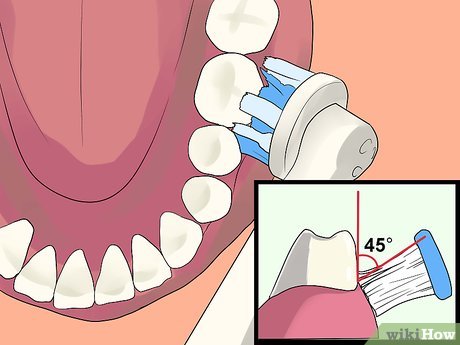
- Start brushing lightly: Begin brushing with gentle circular motions, keeping the angle of 45 degrees on the tooth surface.
- Make sure to clean all surfaces thoroughly: Ensure that you clean all surfaces of your teeth, including the front, back, and top.
- Brush between teeth: Use gentle circular motions to clean between your teeth, making sure to reach all areas.
- Don’t forget the tongue! : Finish by brushing your tongue and the roof of your mouth.
These steps apply equally to Oral-B electric toothbrushes with a round head (Oral B) as they do to Philips Sonicare electric toothbrushes with a traditional head.
Step-by-Step Instructions for Using an Electric Toothbrush
Here’s a more detailed guide on how to use an electric toothbrush:
- Place the toothbrush against your teeth, ensuring that the bristles are pointing towards the gumline.
- Close your mouth and activate the brush.
- Start brushing with gentle circular motions, keeping the angle of 45 degrees on the tooth surface.
- Move the brush to different areas of your mouth, such as the front, back, and top teeth.
- Use gentle pressure, increasing it if necessary, but avoid pressing too hard on your gums.
Cleaning Your Electric Toothbrush
To keep your electric toothbrush in good condition, change the head regularly and thoroughly clean it. Some heads can be pricey, so I recommend checking prices on Amazon to find the best deals.
How to Clean Your Electric Toothbrush? Simple!
Removing the head from your electric toothbrush is relatively straightforward:
- Locate the small button or clip that holds the head in place.
- Press the button or release the clip, allowing you to remove the head.
- Wash the handle with water while immersing it for 30 minutes in a bowl of mouthwash.
Your toothbrush is now clean and ready to use again!
Using an Electric Toothbrush and Dental Floss Together
While electric toothbrushes do an excellent job maintaining oral hygiene, they’re not the only tool you should use. Interdental brushes are crucial for preventing plaque buildup and gum inflammation. To learn how to use interdental brushes, check out this article.
Interdental brushes can be used in conjunction with your electric toothbrush to provide an extra layer of cleaning. Simply insert the brush into the space between your teeth and gently push it back and forth to remove any remaining debris.
Using an Oral-B Electric Toothbrush
To complement my review, I’ve included a video showing how to use an Oral-B electric toothbrush (with round head) but the same principles apply to Philips Sonicare models as well.
The Oral-B electric toothbrush is a popular choice among dentists and oral health professionals due to its ease of use and effectiveness. With features such as adjustable speed and pressure, the Oral-B electric toothbrush provides a customized cleaning experience that meets your individual needs.
Frequently Asked Questions: The Top 8
Here are some common questions about using an electric toothbrush:
- What’s the difference between round and traditional heads for electric toothbrushes?
The main difference is in their movement and design, which affects comfort and cleaning efficiency. - How often should I change my electric toothbrush head?
At least every three months to ensure optimal performance and hygiene. - Can electric toothbrushes be used by children?
Yes, but parents should supervise use until the child is old enough to use it independently. - Are there electric toothbrushes designed specifically for sensitive teeth?
Yes, these specialized models typically have reduced vibrations or softer bristles for more comfort and gentleness. - Can I charge my electric toothbrush in the fridge or freezer?
No! Charging your electric toothbrush requires a standard power outlet or wall adapter. - Will my electric toothbrush work if it’s wet?
Yes, but make sure to dry it thoroughly after cleaning or charging to prevent damage. - What if I accidentally drop my electric toothbrush while brushing? Will it still be usable?
No! If your electric toothbrush is damaged, replace it as soon as possible for optimal hygiene and performance. - Can I purchase replacement parts for my electric toothbrush online?
Yes! You can find various replacement heads, chargers, and other accessories on online marketplaces like Amazon.
By following these guidelines and tips, you’ll be well on your way to maintaining a healthy smile with the right tools and techniques. Happy brushing!
Best regards,
Anna De Simone


