
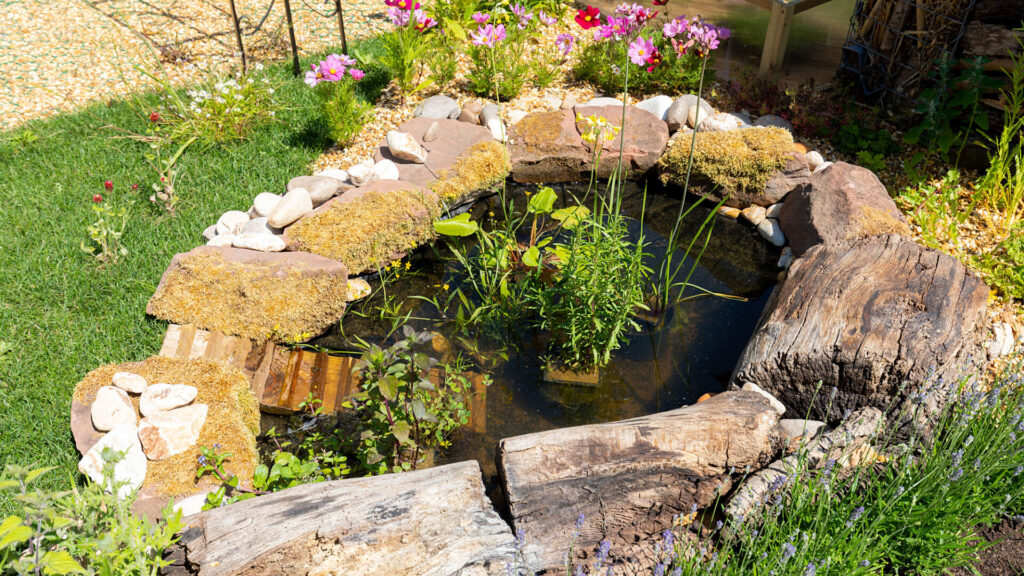
Are you dreaming of having a mini pond in your garden? With minimal investment, this project is easy to accomplish and requires no special equipment. However, there are some guidelines to follow to create a more natural-looking result.
Understanding Natural Shapes
To achieve a more natural appearance, it’s essential to avoid geometric shapes like circles and squares. Instead, focus on creating a simple, irregular shape that blends seamlessly into your garden landscape. A pond with a meandering path or an uneven shoreline can help create a more natural look.
Designing Your Mini Pond
One effective way to create a more natural look is by incorporating small beach-like features, such as stones or gravel, around the pond area. This will help to blend the pond into its surroundings and create a sense of depth.
When designing your mini pond, consider the following tips:
- Use a mix of large rocks and smaller pebbles to create a visually appealing shoreline.
- Add plants that thrive in wet conditions, such as cattails or rushes, to create a natural look.
- Incorporate small water features, such as a fountain or waterfall, to add movement and sound to the pond.
Gathering Materials and Tools
To start, you’ll need:
- Waterproof fabric (such as plastic sheeting)
- Adhesive for waterproof fabric
- Concrete or cement mix
- Sand
- Pebbles or small rocks
- Gravel
- Gardening tools (trowel, rake, etc.)
Preparing the Site
Before starting your mini pond project, make sure to clear the area of any debris and mark out the desired shape using stakes and twine. This will help you visualize the space and ensure that everything fits together smoothly.
Digging the Pond Hole
Begin by digging a shallow hole for the pond, taking care not to create sharp edges or corners. Use a shovel or spade to loosen the soil and remove it from the hole, making sure to reserve some soil for later use as “zoles” (small mounds of soil).
Creating a Natural Edge
Once you’ve excavated the area, create a natural-looking edge by piling up the removed soil into small mounds. These will serve as “rives” – or banks – for your pond.
Placing the Waterproof Fabric
Next, place the waterproof fabric over the hole, securing it to the edges using the adhesive and/or heat-setting method recommended above. The goal here is not perfection but a smooth flow of water.
Adding Decorative Elements
To create an inviting atmosphere around your mini pond, consider adding small stones or gravel along the shoreline, as well as plants that thrive in wet conditions – such as cattails or rushes. This will help to create a sense of depth and texture around the pond.
Tips for Maintenance
Regular maintenance will help ensure the longevity and health of your mini pond. Here are some key tips to keep in mind:
- Regularly inspect the fabric for signs of damage or wear
- Clean out any debris or sediment that may accumulate at the bottom of the pond
- Monitor water levels and adjust as necessary
By following these simple steps and tips for maintenance, you can enjoy your new outdoor space while also contributing to the environment’s well-being.
Frequently Asked Questions
- What is the ideal size for a mini pond?
- The size will depend on available space and intended use. Small ponds (less than 10 square feet) are great for small gardens or balconies.
- Can I use any type of waterproof fabric?
- No, not all waterproof fabrics are suitable for outdoor use or water exposure. Look for specialized fabrics specifically designed for this purpose.
- How often should I clean the pond?
- Regularly inspect and clean out debris to prevent algae growth and maintain water quality.
Creating a mini pond is an exciting project that offers numerous benefits, including improved air quality, reduced noise pollution, and increased biodiversity. By following these simple steps and tips for maintenance, you can enjoy your new outdoor space while also contributing to the environment’s well-being.
Conclusion
With its natural look and feel, a mini pond can be a wonderful addition to any garden or yard. By following these simple steps and tips for maintenance, you can create a beautiful and functional miniature water feature that brings joy and serenity to your outdoor space.
Whether you’re looking to relax in the evenings, enjoy the beauty of nature, or simply appreciate the calming sounds of running water, a mini pond is sure to meet all of your needs. So why not give it a try? With minimal investment and some basic gardening tools, you can create a stunning miniature pond that will bring happiness to your life for years to come.
Tips for Creating a Miniature Water Feature
- Use small rocks or pebbles to create a visually appealing shoreline.
- Add plants that thrive in wet conditions, such as cattails or rushes, to create a natural look.
- Incorporate small water features, such as a fountain or waterfall, to add movement and sound to the pond.
- Use a mix of large rocks and smaller pebbles to create a visually appealing shoreline.
- Add decorative elements, such as shells or driftwood, to create a unique and interesting look.
Benefits of Creating a Miniature Water Feature
- Improved air quality: Miniature water features can help purify the air and improve overall air quality.
- Reduced noise pollution: The sound of running water can be calming and peaceful, reducing stress and anxiety.
- Increased biodiversity: Miniature water features can provide a home for small aquatic animals, such as frogs or fish.
- Improved mood: The sight and sound of running water can be uplifting and inspiring, improving overall mood and well-being.
- Aesthetic appeal: Miniature water features can add beauty and interest to any garden or yard.
Conclusion
Creating a miniature water feature is an exciting project that offers numerous benefits for the environment and human well-being. By following these simple steps and tips for maintenance, you can create a beautiful and functional miniature pond that brings joy and serenity to your outdoor space.


