
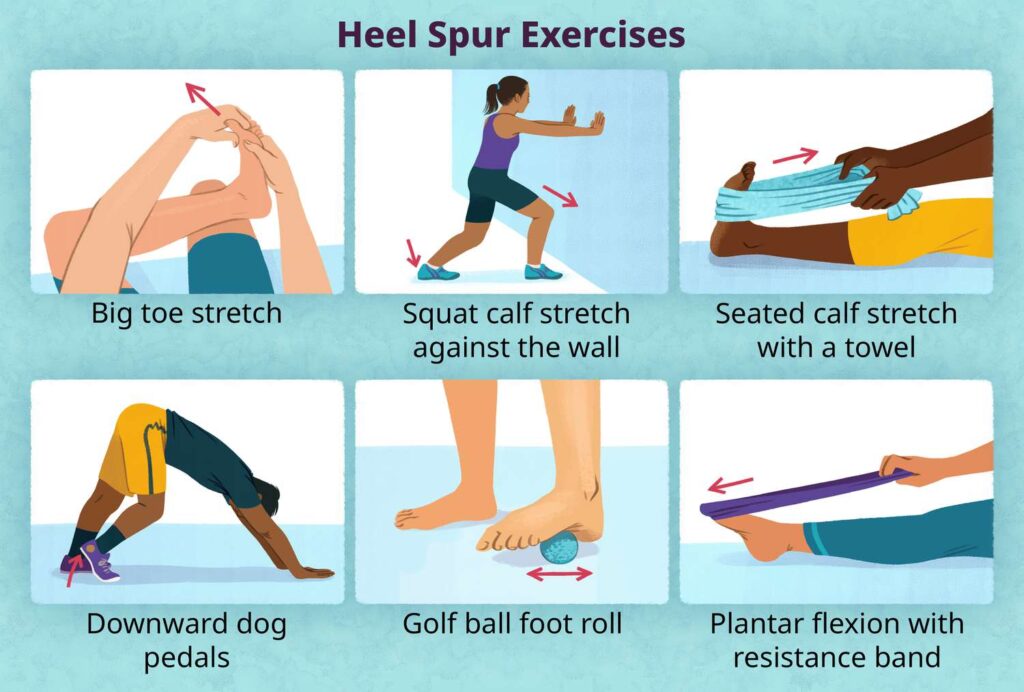
As someone who has experienced the discomfort of a plantar calcaneum, you know how frustrating it can be. This bony growth on the heel of your foot may not be as painful as a thorn in your side, but it can still cause significant distress. In this article, we’ll delve into the world of plantar calcaneum, exploring its causes, treatment options, and prevention strategies.
What is Plantar Calcaneum?
Plantar calcaneum refers to an abnormal bone growth that resembles a spina, typically found on the posterior or inferior aspect of the heel bone (calcagno). This growth occurs due to repetitive stress and irritation on the bones in the foot, leading to the formation of osteophytes.
Types of Plantar Calcaneum
There are two primary types of plantar calcaneum: inferior and posterior. Inferior calcaneum refers to a bony growth that protrudes from the sole of the foot, near the intersection with the fascia plantare. Posterior calcaneum occurs on the back of the heel bone, where it intersects with the Achilles tendon.
Causes of Plantar Calcaneum
So, what triggers this painful condition? Common causes include:
- Overuse or repetitive stress on the foot
- Inflammation of the tendons and muscles in the foot
- Poorly fitting shoes or excessive heel raising
- Obesity or other weight-related issues
Prevention Strategies
While it may seem daunting, there are ways to prevent plantar calcaneum. Here are some tips:
- Wear comfortable, supportive shoes suitable for your activities
- Incorporate stretching exercises into your daily routine
- Strengthen your foot muscles through toe curls and heel raises
- Maintain a healthy weight to reduce pressure on your joints
Treatment Options
If you’ve developed plantar calcaneum, don’t worry – there are treatment options available. The first line of defense is usually conservative management, which may include:
- Pain relief medications
- Rest and ice to reduce inflammation
- Orthotics or shoe inserts to redistribute pressure
- Physical therapy to strengthen your foot muscles
If these measures fail, surgery may be necessary to remove the bony growth.
Surgical Options
Surgery for plantar calcaneum is usually considered a last resort. However, in some cases, it can provide significant relief from symptoms. The most common surgical procedures include:
- Arthroscopic surgery: involves removing the bony growth and repairing any damaged tissue
- Open surgery: involves making a larger incision to remove the bony growth
Recovery from Plantar Calcaneum Treatment
Recovery time varies depending on the individual and the extent of the procedure. Generally, you can expect:
- Conservative management: 2-6 weeks of rest and recovery
- Surgery: 3-6 months of recovery time, with follow-up appointments to ensure proper healing
Long-Term Effects of Plantar Calcaneum Treatment
While rare, long-term effects from plantar calcaneum treatment can include:
- Changes in foot mechanics
- Increased risk of future foot problems
- Chronic pain or discomfort
Consult a healthcare professional for guidance on managing these potential complications.
Managing Plantar Calcaneum Symptoms
In addition to treatment options and prevention strategies, there are ways to manage plantar calcaneum symptoms. Here are some tips:
- Use ice packs or cold compresses to reduce inflammation
- Elevate your foot to reduce swelling and discomfort
- Wear supportive shoes and orthotics to redistribute pressure
- Engage in regular exercise and stretching to strengthen your foot muscles
Conclusion
Plantar calcaneum is a common condition that can cause significant discomfort. By understanding its causes, treatment options, and prevention strategies, you can take control of your foot health. Remember, early intervention and proper care can make all the difference in alleviating symptoms and preventing further complications.
Here are some frequently asked questions related to plantar calcaneum:
- What is the best way to prevent plantar calcaneum?
- Wear comfortable, supportive shoes suitable for your activities
- Incorporate stretching exercises into your daily routine
- Strengthen your foot muscles through toe curls and heel raises
- Can I treat plantar calcaneum with over-the-counter pain relievers?
- Yes, but consult a healthcare professional before using any medication
- How long does it take to recover from surgery for plantar calcaneum?
- Recovery time varies depending on the individual and the extent of the procedure; typically takes several months
- Can I still engage in physical activity if I have plantar calcaneum?
- Yes, but modify your activities to avoid exacerbating symptoms
- Will I experience any long-term effects from plantar calcaneum treatment?
- Rarely, but may include changes in foot mechanics or an increased risk of future foot problems; consult a healthcare professional for guidance


