
As a responsible pet owner, it’s essential to provide your furry friend with the right foods. While dogs are omnivores, they don’t need human leftovers like we do. In fact, feeding them non-natural foods can be detrimental to their health.
Why Natural Foods Matter
Feeding your dog natural foods is crucial for their overall well-being. Unlike humans, dogs have different nutritional needs that must be met through the right balance of protein, carbohydrates, and fats. Feeding them processed or commercial dog food can lead to a range of health problems, including obesity, allergies, and digestive issues.
The Benefits of Natural Foods
Feeding your dog natural foods can have numerous benefits for their health and well-being. Some of the most significant advantages include:
- Improved digestion: Natural foods are often easier to digest than processed foods, which can lead to fewer digestive issues in dogs.
- Enhanced immune function: A balanced diet rich in whole foods can help support your dog’s immune system and reduce the risk of illness.
- Increased energy levels: Dogs that eat natural foods tend to have more energy and be less lethargic.
- Better coat condition: Natural foods are often rich in nutrients that promote healthy skin and a shiny coat.
Understanding Your Dog’s Nutritional Needs
Dogs have different nutritional needs based on their age, size, breed, and activity level. Here are some key factors to consider:
- Puppies: Puppies need more calories and protein than adult dogs to support growth and development.
- Senior Dogs: Senior dogs may require fewer calories and a lower-protein diet due to declining health and energy levels.
- Large Breeds: Large breeds, such as Labradors and German Shepherds, tend to be more prone to joint problems and need a diet rich in omega-3 fatty acids.
- Small Breeds: Small breeds, such as Chihuahuas and Poodles, are often more sensitive to food allergies and require a balanced diet that avoids common allergens.
Choosing the Right Natural Foods
When selecting natural foods for your dog, consider the following factors:
- Quality of Ingredients: Look for whole, unprocessed ingredients that are free from artificial additives and preservatives.
- Balanced Nutritional Profile: Ensure the food provides all the necessary nutrients for optimal health, including protein, carbohydrates, fats, vitamins, and minerals.
- Manufacturing Process: Opt for foods made with minimal processing and no artificial additives.
Common Natural Foods for Dogs
Here are some common natural foods that can be added to your dog’s diet:
- Meat: Include fresh, hormone-free meat sources like chicken, beef, and lamb in your dog’s diet.
- Fish: Fish is a great source of protein and omega-3 fatty acids. Look for wild-caught fish or farmed fish that are low in mercury.
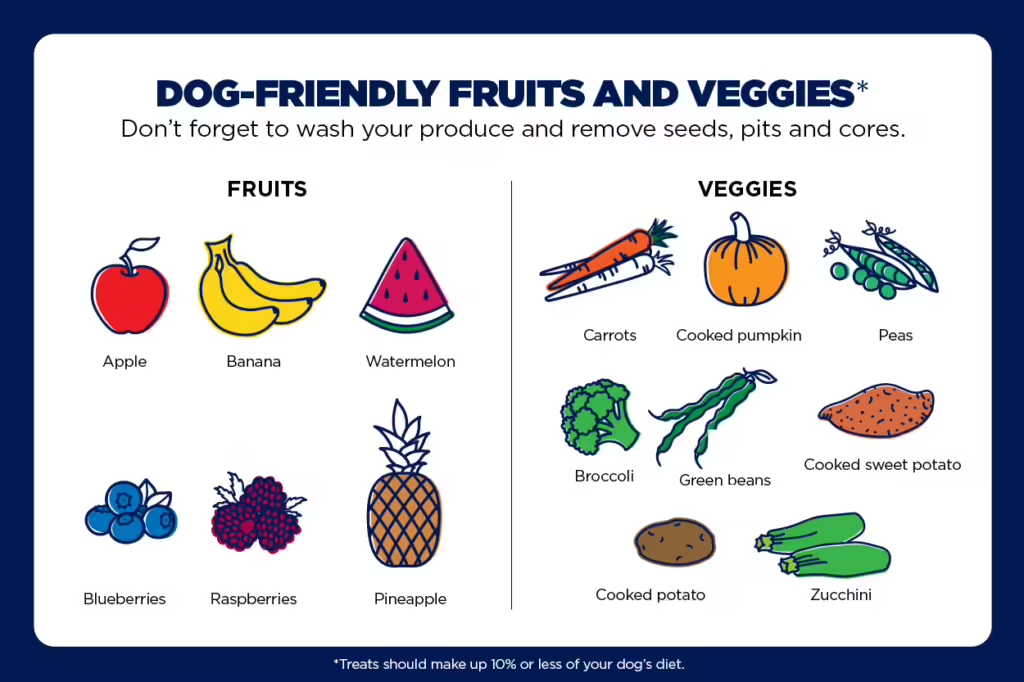
- Fruits and Vegetables: Fruits and vegetables can provide essential vitamins, minerals, and antioxidants. Some safe options include apples, carrots, green beans, and sweet potatoes.
Natural Foods to Avoid
While natural foods can be a great way to support your dog’s health, there are some foods that should be avoided:
- Chocolate: Chocolate contains theobromine, which can be toxic to dogs.
- Grapes and Raisins: Grapes and raisins have been linked to kidney failure in dogs. Avoid giving them as treats or adding them to your dog’s diet.
- Onions and Garlic: Onions and garlic belong to the Allium family and contain compounds that can cause anemia and damage to a dog’s red blood cells.
Conclusion
Feeding your dog natural foods can be a great way to support their health and well-being. By understanding your dog’s nutritional needs, choosing high-quality ingredients, and avoiding common allergens, you can provide your furry friend with the best possible diet. Consult with your veterinarian to determine the best natural food options for your dog’s individual needs.
FAQs
Q: What is the ideal ratio of protein to carbohydrates in a natural food for dogs?
A: The ideal ratio will vary depending on your dog’s age, size, and activity level, but generally ranges from 20-40% protein to 50-60% carbohydrates.
Q: Can I feed my dog raw meat?
A: While some proponents claim that feeding raw meat can be beneficial, it’s essential to consult with a veterinarian or canine nutritionist before making any changes to your dog’s diet.
Q: How often should I feed my dog natural foods?
A: The frequency of feeding will depend on your dog’s individual needs and activity level. Generally, a well-balanced natural food can provide all the necessary nutrients for optimal health.
Q: Can I give my dog table scraps?
A: While an occasional treat is okay, it’s best to stick to a balanced natural food diet to avoid overfeeding or introducing allergens.
Q: How do I store and handle natural foods safely?
A: Always follow proper storage and handling procedures to prevent contamination and spoilage.


