
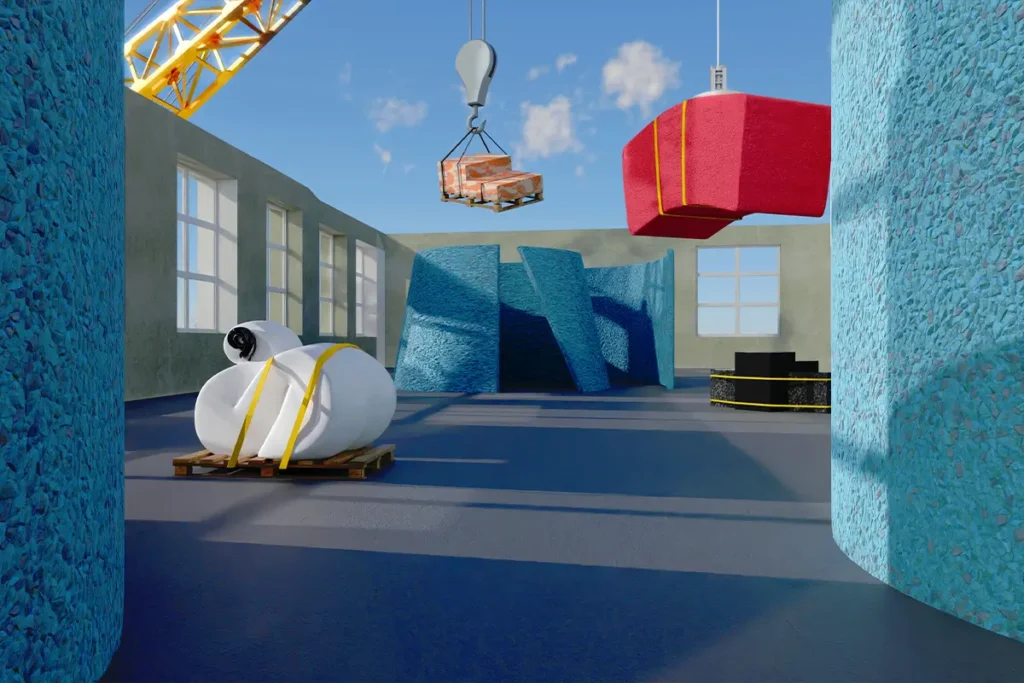
The concept of circular economy has gained significant attention in recent years, with many organizations and individuals striving to reduce waste and promote sustainability. As part of this effort, the Italian Association ZONA K in Milan hosted an event called LOVELY WASTE, which showcased innovative projects and designers focused on sustainable practices.
A Collaborative Approach to Circular Economy
LOVELY WASTE was a collaborative project involving 43 designers and 12 companies, with Source, a service agency and communication agency, playing a pivotal role. This event aimed to provide a platform for designers and companies to work together, fostering new best practices in circular economy.
The Importance of Sustainability in Design
Sustainability is becoming increasingly important in design, as it encompasses not only the environmental impact but also social and technological aspects. Source aims to bridge the gap between designers and companies by providing resources and support for sustainable projects.
Designers must consider sustainability when creating products, ensuring that they are environmentally friendly and socially responsible. This includes using materials that can be recycled or biodegradable, reducing waste, and promoting energy efficiency. By incorporating sustainability into their designs, designers can create products that not only benefit the environment but also contribute to a more equitable society.
A Journey Through Circular Economy
To welcome visitors outside the location, an installation called Oxygen-18 was created by Luca Alessandrini and Giacomo Garziano. This eco-sustainable architecture showcased materials such as wooden pine panels covered with recycled fibers of coconut and jute, hardened with bio-plastic based on cornstarch, and painted with water-based varnish.
The use of natural materials and sustainable practices in the design of this installation highlights the importance of considering environmental impact when creating art or architectural features. By choosing materials that are biodegradable or recyclable, designers can minimize their carbon footprint and contribute to a more sustainable future.
The LOVELY WASTE Exhibition: A Showcase of Sustainable Design
At the heart of the exhibition was a project called #zero, developed by designers Francesco Fusillo, Alberto Ghirardello, Filippo Protasoni, and Sebastiano Tonelli in collaboration with WooClass, a Tuscan company producing customized wooden glasses. These designers discussed how to use materials currently destined for disposal, such as wood, metal, and leather, to create new development perspectives.
This project showcases the potential of creative reuse and recycling of materials in sustainable design. By repurposing materials that would otherwise end up in landfills or oceans, designers can create innovative products that reduce waste and promote sustainability.
Experimenting with Circular Economy
The LOVELY WASTE exhibition marked the first experiment in outlining a methodology that can manage production waste through an integrated approach of creative design and cost-to-cost. This goal is to transform the cost of scrap into new revenue opportunities and business development.
By experimenting with circular economy, designers and companies can identify new opportunities for growth and innovation while reducing waste and promoting sustainability. This approach also highlights the potential for collaboration between designers, manufacturers, and consumers in creating more sustainable products and practices.
Wooden Glasses from WooClass: A Showcase of Sustainable Design
WooClass, a Tuscan company producing customized wooden glasses, was one of the participating companies in LOVELY WASTE. Their wooden glasses were showcased as an example of sustainable design, highlighting the potential for creative reuse and recycling of materials.
The use of natural materials such as wood and recycled fibers in WooClass’s glasses demonstrates the importance of sustainable practices in product design. By choosing environmentally friendly materials, designers can create products that not only benefit consumers but also contribute to a more sustainable future.
A Call to Action: Engaging Designers and Companies in Circular Economy
Source activated a call, which served to select new designers who interpreted the theme with different approaches giving life to five different categories of projects. These projects focused on creative reuse and recycling of scrap materials, management at Km0 of local resources, ethical and social aspects of sustainability, and technology applied to production.
This call for submissions highlights the importance of engaging designers and companies in circular economy initiatives. By encouraging innovation and collaboration, we can create a more sustainable future for all.
A Collaborative Approach to Sustainability
Among the partners of the event was BLOFT collective led by Gumdesign, which brings together companies and designers who seek to bring forward projects of entrepreneurship at Km0 that were previously labeled with the term “self-production.” This collaborative approach is crucial in promoting sustainability and circular economy.
By working together, designers, manufacturers, and consumers can create a more sustainable future for all. Collaboration and cooperation are essential in developing innovative solutions to environmental challenges and promoting sustainable practices.
The Future of Circular Economy: Source’s Commitment
Source, now a service agency and communication agency, has committed to making sustainability one of its pillars. The project LOVELY WASTE will become a service to support companies and connect designers to production, addressing those who want to invest time, money, and professionalism in a future respectful of the planet.
This commitment demonstrates the importance of long-term planning and investment in sustainable practices. By prioritizing sustainability, businesses can create products and services that not only benefit consumers but also contribute to a more environmentally friendly future.
Frequently Asked Questions
- What is circular economy?
Circular economy refers to an economic system where materials are kept in use for as long as possible, extracting the maximum value from them, and recovering and regenerating materials at the end of their service life. - Why is sustainability important in design?
Sustainability encompasses not only environmental impact but also social and technological aspects. Designers must consider these factors to create sustainable products and practices. - What was the LOVELY WASTE exhibition about?
The LOVELY WASTE exhibition showcased innovative projects and designers focused on sustainable practices, aiming to promote circular economy and sustainability in design. - Who participated in the LOVELY WASTE exhibition?
43 designers and 12 companies participated in the LOVELY WASTE exhibition, with Source playing a pivotal role as a service agency and communication agency. - What was the #zero project about?
The #zero project aimed to discuss how to use materials currently destined for disposal, such as wood, metal, and leather, to create new development perspectives through creative design and cost-to-cost. - How can designers and companies collaborate in circular economy?
Designers and companies can collaborate by working together, sharing resources, and promoting sustainable practices. - What is the significance of sustainability in business?
Sustainability is crucial for businesses as it reduces environmental impact, conserves resources, and promotes long-term growth and profitability. - How can individuals contribute to circular economy?
Individuals can contribute to circular economy by reducing waste, using public transport, buying sustainable products, and supporting companies that prioritize sustainability.
Conclusion
The LOVELY WASTE exhibition at Isola Design District showcased the importance of circular economy in design, promoting a collaborative approach between designers and companies. By highlighting innovative projects and materials, this event inspired a new generation of designers to adopt sustainable practices, contributing to a more environmentally friendly future.


