
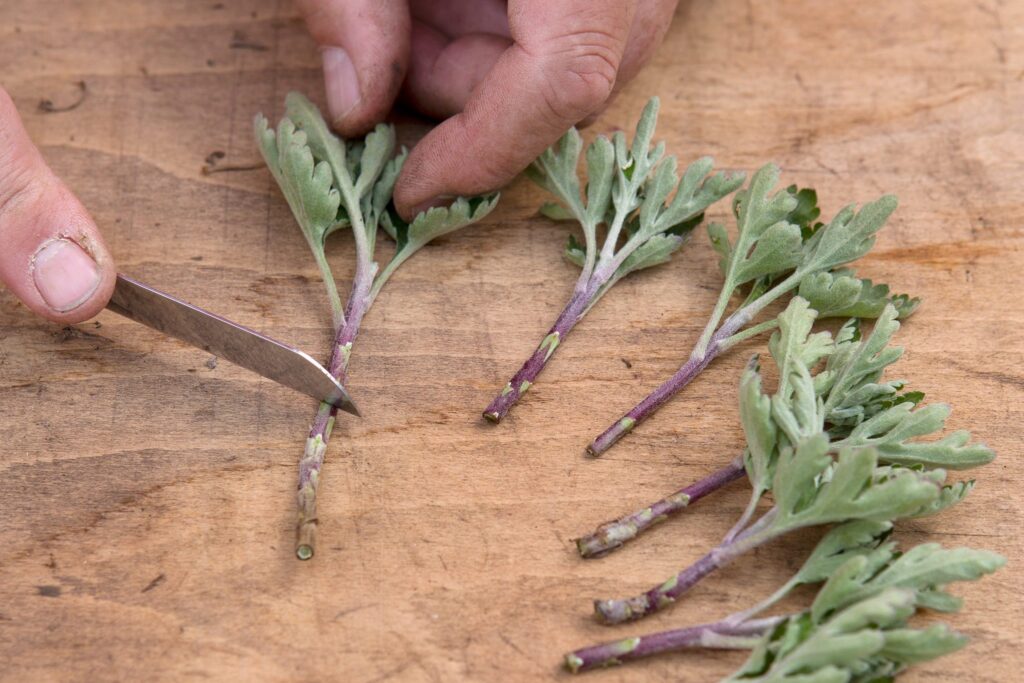
As we continue our series on cultivating carnations, after exploring the needs and care requirements for the plant, in this article we will delve into the propagation method through cutting. The process of taking cuttings from a carnation is relatively simple and is recommended as a means of safeguarding the prosperity of the carnations grown in your own garden.
Cultivating Carnations: Sowing Seeds or Taking Cuttings
Starting to cultivate carnations by taking cuttings is convenient, not only because it ensures the variety obtained and shortens the time for flowering. Cultivating carnations by taking cuttings is advisable as the sowing of seeds often does not produce the desired results: many carnation varieties produce sterile seeds.
In any case, if someone still wants to try their hand at cultivating carnations from seed, the optimal time for sowing falls in late winter. Sowing carnations should take place in a protected location, such as a greenhouse or indoor room with adequate light.
The Benefits of Taking Cuttings
Taking cuttings is a popular method of propagation among gardeners and flower enthusiasts due to its simplicity and effectiveness. By taking cuttings from your existing carnation plants, you can:
- Save time: Carnations are long-lived plants that require regular pruning to maintain their health and appearance.
- Ensure variety: Taking cuttings ensures that the new plants will have the same characteristics as the parent plant.
- Increase yields: By multiplying your carnation plants, you can increase your yield of fresh flowers and extend the blooming period.
The Art of Cutting
Cutting is an essential skill for any gardener or flower enthusiast looking to multiply their carnations. The right technique can make all the difference in ensuring successful propagation. Here are some tips to help you take the best cuttings:
- Choose the right time: Take cuttings during the spring or summer months when the plant is actively growing.
- Select healthy stems: Choose stems that are sturdy and free of damage.
- Cut correctly: Cut just above a node, making sure to include at least two sets of leaves on each cutting.
- Remove lower leaves: Remove any lower leaves from the cutting to prevent them from rotting in water or soil.
The Process of Propagation
Propagating carnations by cutting is a relatively straightforward process that requires some patience and care. Here’s a step-by-step guide:
- Prepare your materials: Gather your cutting tool, pot, soil, and rooting stimulants.
- Take the cuttings: Cut the stems using the technique described above.
- Remove lower leaves: Remove any lower leaves from the cutting to prevent them from rotting in water or soil.
- Dip in rooting stimulant: Dip the cut end of each stem into a rooting stimulant to increase the chances of successful propagation.
- Plant in pot: Plant the cuttings in a pot filled with well-draining soil, making sure not to bury the node (where the leaf meets the stem).
- Water and provide light: Water the cutting thoroughly and provide it with bright, indirect light.
Common Mistakes
Avoid common mistakes that can reduce the chances of successful propagation:
- Taking too large a cutting: Taking cuttings that are too large can lead to reduced rooting success.
- Not removing lower leaves: Leaving lower leaves on the cutting can cause them to rot and reduce the chances of successful propagation.
- Not using rooting stimulants: Failing to use rooting stimulants can reduce the chances of successful propagation.
Care and Cultural Requirements
Carnations require specific care and cultural requirements to thrive:
- Soil: Carnations prefer a neutral to slightly acidic soil that is well-draining.
- Watering: Keep the soil consistently moist but not waterlogged, as this can lead to root rot.
- Light: Provide carnations with bright, indirect light to encourage healthy growth and blooming.
Conclusion
Taking cuttings from your existing carnation plants is a simple and effective way to multiply them. By following the steps outlined in this guide, you can successfully propagate your own carnations and enjoy their beauty for years to come. Remember to avoid common mistakes and provide your new plants with the right care and cultural requirements.
Frequently Asked Questions (FAQs)
- How often should I take cuttings from my carnation plants?
- Can I use any type of soil for taking cuttings?
- How do I increase the chances of successful rooting when taking cuttings?
- Can I propagate carnations in water instead of soil?
- What is the best time of year to take cuttings from carnation plants?
- How long does it take for cuttings to root and grow into new plants?
- Can I use rooting stimulants like “Green Alive” powder on my cutting?
- Are there any specific conditions that affect the success rate when taking cuttings?
By answering these questions, you can gain a deeper understanding of the process of propagation by cutting and ensure successful results in your garden.
Additional Resources
For more information on propagating carnations by cutting, consider reading our other articles:
- How to Take Cuttings from Tea Roses
- Glicine (Sillyac) Propagation through Taking Cuttings
- Taking Cuttings in Aquatic Plants (Rosemary)
- Cutting from Rosa Species (How to Do It)
- How to Propagate Orthensias
By following these tips and techniques, you can successfully multiply your carnations and enjoy their beauty for years to come.
Final Tips
To ensure successful propagation, follow these final tips:
- Be patient: Propagation by cutting requires patience, so be prepared to wait several weeks or even months for the new plants to grow.
- Provide proper care: Give your new plants the right care and cultural requirements to thrive.
- Monitor for pests and diseases: Regularly inspect your plants for signs of pests or diseases and take action promptly if necessary.
By following these tips, you can enjoy a bountiful harvest of fresh carnations and share their beauty with friends and family.


