
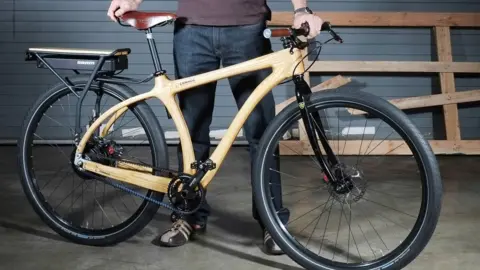
As we often talk about lightweight aluminum frames or carbon fiber forks, it’s rare to hear about bicycles made of wood. However, this material represents a lightweight and premium solution. With wood, you can create tables, furniture, and even bicycle frames.
The first wooden bicycle, the velocipede, was invented by Baron Karl von Drais in 1817. The frame was made of wood, combined with bronze and iron bands around the wheels. This early wooden bike weighed a whopping 22 kg (48 lbs). It wasn’t until the mid-19th century that metal began to replace wood for bicycle production.
Wood vs. Other Materials
Wood differs significantly from other materials used in bicycle production. The common perception is that wood is too heavy, but it’s actually unique and has its own advantages. Wood is less durable than aluminum, steel, or carbon fiber, which can be a drawback. However, there are high-end manufacturers who specialize in producing wooden bicycles.
One such company is Renovo, which offers high-performance wooden bicycles. According to Renovo, the wooden frame can be lighter than an aluminum frame and boasts equal rigidity to a carbon fiber one. This proves that wood can be a viable option for bicycle production.
Wooden Bicycle Frames: A New Era of Lightweight Design
The key benefit of using wood in bicycle frames is its ability to absorb impacts, making it an excellent material for road bikes. Wood is also naturally lighter than metal, which can lead to a lower overall weight of the bike.
Let’s take a look at some examples:
- Axalko Bicycle: This wooden bicycle made from spruce weighs just 6.5 kg (14.3 lbs) and has proven to be robust and resistant to impacts.
- Bambooclycle: With its weight of 8 kg (17.6 lbs), this bamboo-made bicycle is another example of the potential of wood in bicycle production.
Materials Used in Wooden Bicycle Production
There are several types of wood that are commonly used for making wooden bicycles:
- Spruce: This versatile and strong wood is widely used in bike frames due to its low weight and excellent strength-to-weight ratio.
- Bamboo: Bamboo has gained popularity as a sustainable alternative to traditional woods, offering the same lightweight properties while being more eco-friendly.
- Walnut: With its rich color and exceptional durability, walnut is an attractive choice for wooden bike frames.
Types of Wooden Bicycle Construction
There are several methods used in constructing wooden bicycles:
- Traditional Carving: Skilled craftsmen use hand tools to carve the wood into the desired shape.
- CNC Machining: Computer-controlled machines precision-cut the wood to precise dimensions.
- Combination of Both: Some manufacturers combine traditional craftsmanship with modern CNC machining techniques for optimal results.
Challenges and Limitations
While wooden bicycles offer unique benefits, there are some challenges and limitations to consider:
- Durability: Wood is less durable than metal or carbon fiber, which can lead to a shorter lifespan for the bike.
- Weight Capacity: Wooden bicycle frames may not be suitable for riders who weigh more than 150 kg (331 lbs).
- Environmental Impact: The production process for wooden bicycles can have a higher environmental impact due to wood sourcing and processing.
Conclusion
The use of wood in bicycle production may seem unusual, but it offers unique benefits. By combining traditional craftsmanship with modern materials, manufacturers can create lightweight and high-performance bicycles that challenge conventional wisdom. As we continue to explore new and innovative designs, it will be exciting to see how wooden bicycles evolve in the future.
Frequently Asked Questions (FAQs)
- Q: Is wood a suitable material for bicycle frames?
A: Yes, wood can be an excellent option for bicycle frames due to its ability to absorb impacts and provide lightweight design. - Q: How does wooden bicycle construction compare to metal or carbon fiber?
A: Wooden bicycles often weigh less than their metal or carbon fiber counterparts, making them a viable alternative for those seeking lightweight designs. - Q: What makes wood an ideal material for bicycle production?
A: Wood’s natural ability to absorb impacts and its lightweight properties make it an excellent choice for bicycle frames. - Q: Can wooden bicycles be as durable as metal or carbon fiber bicycles?
A: While wood is less durable than some other materials, high-end manufacturers are working to create more robust wooden bicycle frames that can withstand the rigors of regular use. - Q: Are there any specific types of wood used in bicycle production?
A: Yes, various types of wood, such as spruce and bamboo, are often used for their strength, durability, and lightweight properties. - Q: Can wooden bicycles be customized to suit individual riders’ needs?
A: Absolutely. Wooden bicycles can be tailored to meet the unique requirements of each rider, ensuring a comfortable and enjoyable riding experience. - Q: Are there any environmental benefits to using wood in bicycle production?
A: Yes, wooden bicycles are often more eco-friendly than their metal or carbon fiber counterparts, as they require less material and energy during production.


