
Introduction
When it comes to acoustic impact, speaking in court means that something has gone wrong with the building’s design or construction, or that something has changed for the worse in terms of sound quality around the property. However, can we avoid finding ourselves in front of a judge due to noise pollution after purchasing our home? Absolutely! By being vigilant and giving proper attention to certain ‘watchful factors’.
The Seriousness of Noise Pollution
Before providing any advice, it’s essential to acknowledge that the problem is serious because, whatever the cause, proximity to buildings with strong acoustic impact or excessive internal noise within the building can have negative effects on human health. Consequences include insomnia, reduced concentration, difficulty in communication, and even cardiovascular problems.
The Rise of Noise-Related Lawsuits
In Italy, noise-related lawsuits are numerous. Those disturbed by the noise sue against the ‘disturbance’ or demand compensation from the building’s constructor: biological, moral, existential, stress, etc.
Three Main Points in Noise-Related Court Cases
In court cases related to noise emissions, three main points typically come into play:
- Determining if there is actually excessive noise: According to Article 844 of the Italian Civil Code, establishing whether there is a significant increase in noise (more than 3 dB above background noise) beyond acceptable limits.
- Evaluating the acoustic insulation of building elements: Determining if the acoustic isolation of structural elements and internal installations are sufficient according to ‘good engineering practice’.
- Calculating property devaluation due to excessive noise or poor acoustics: If there is actually excessive noise or subpar sound quality, calculating how much the property has decreased in value (more noise = less value).
How to Avoid Noise-Related Issues
There’s a catchy slogan coined by Giovanni Gabetti, founder of his own real estate company: “Before buying a home, listen to it.” Not everyone considers fully evaluating whether an apartment above a bar or nightclub can be depreciated due to the disturbance caused by patrons. Even fewer worry about noisy neighbors, internal plumbing systems, or lack of sound insulation in floors.
Acoustic Factors to Consider for Proper Property Valuation
There are two key acoustic factors to consider when valuing a property correctly:
- Zoning acoustic characteristics: Observe from your window. While the local zoning regulations play a role, it’s crucial to assess on-site as well. Exposure to traffic is much more significant than exposure to a courtyard (the difference can reach 20 dB). Upper floors are better insulated against noise. However, they’re also more exposed to the sounds of neighboring buildings and potentially noisy plumbing systems.
- Building acoustic characteristics: Soundproofing and the noise produced by internal installations.
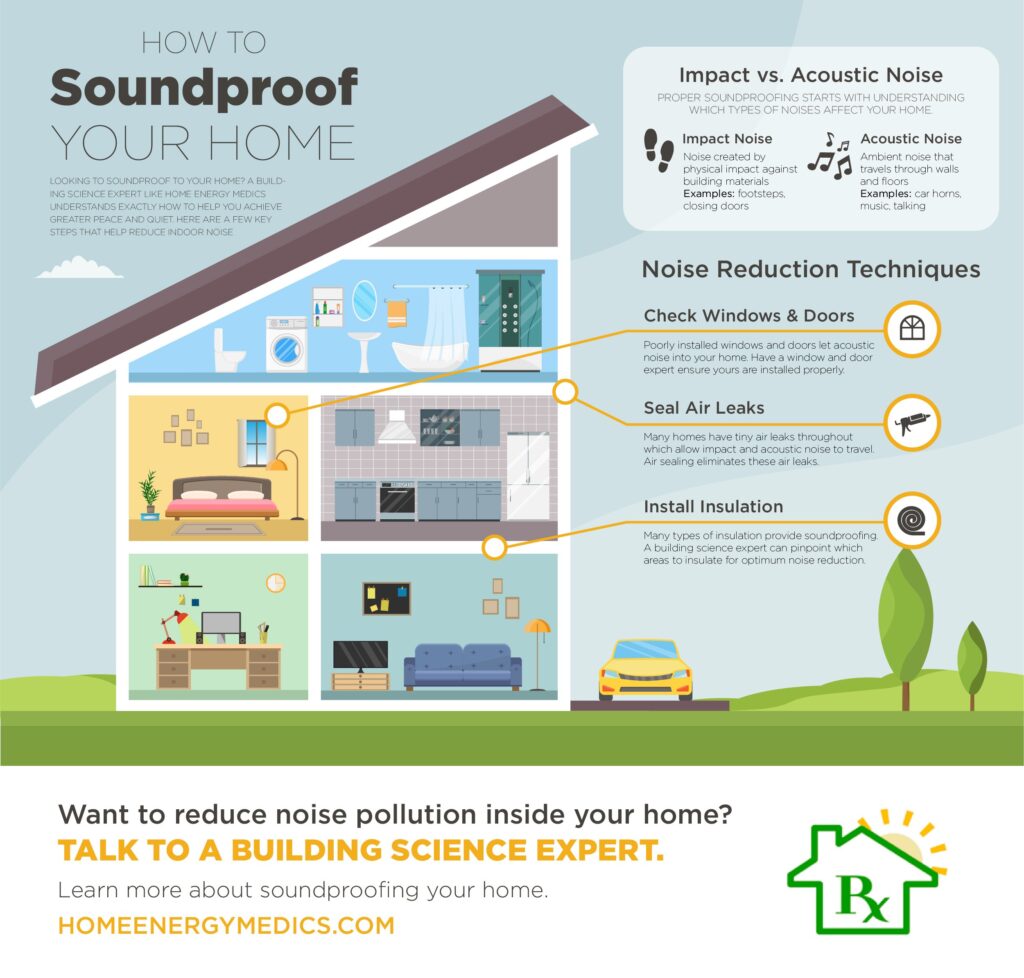
Soundproofing Measures
To mitigate noise impact:
- Use double-glazed windows between apartments
- Ensure the separation wall is doubly insulated (especially for bedrooms)
- Install sound barriers to prevent foot traffic noise from upstairs
Ensuring Sound Quality in New Buildings or Renovations
Before buying a new property, demand documentation confirming that it meets acoustic standards (DPCM 5/12/1997). When purchasing an existing home, verify on-site that the current construction or renovation respects these guidelines. If you’re dealing with an old property without soundproofing measures in place, consider seeking professional advice to implement temporary solutions.
The cost of proper sound insulation in a building – whether through structural insulation or internal installation noise reduction – is relatively small when compared to the potential ‘damage’ caused by excessive noise pollution.
Additional Considerations
Some additional factors should be taken into account:
- Noise sources: Identify and address any possible noise sources, such as noisy neighbors, traffic, or construction work.
- Soundproofing materials: Research and choose effective soundproofing materials for your specific needs and budget.
- Professional advice: Consult with a sound engineer or a lawyer who specializes in noise-related cases to ensure you’re taking the right steps.
Preventing Noise-Related Issues
To prevent noise-related issues, consider the following:
- Regularly inspect your property’s acoustic characteristics
- Keep records of any noise complaints or disturbances
- Document the results of your inspections and consultations with sound engineers
- Stay informed about local noise regulations and standards
By being proactive and taking steps to mitigate noise pollution, you can avoid costly lawsuits and unpleasant living situations. So, take the time to evaluate your home’s acoustic situation before making a purchase.
Conclusion
In conclusion, understanding the impact of noise and noise disturbance is crucial for property owners and potential buyers alike. By recognizing the risks associated with excessive noise pollution, taking proactive steps to prevent it, and seeking professional advice when needed, you can ensure a safe and enjoyable living environment. Remember, “Before buying a home, listen to it.”


