
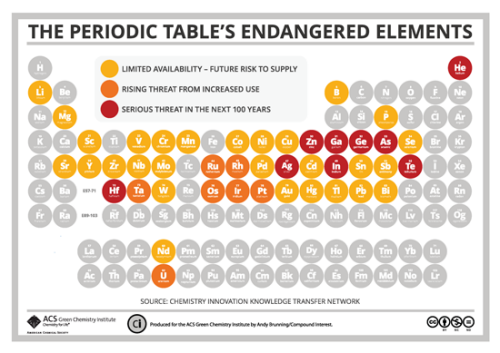
As technology advances and our reliance on digital devices grows, so does the demand for critical elements. These essential materials are used in a wide range of applications, from renewable energy to medical equipment. However, their supply is becoming increasingly precarious due to scarcity, conflict, and environmental concerns.
What are Critical Elements?
Critical elements are 44 naturally occurring substances that make up the periodic table, including rare earth elements (REE), precious metals, and essential minerals like phosphorus. They are considered critical because of their unique properties, high demand, and limited supply. The European Commission has identified 30 critical raw materials, which includes:
- Rare earth elements (REE)
- Tungsten
- Tantalum
- Gold
- Cobalt
- Lithium
The Risks of Critical Elements
Critical elements face numerous challenges, including:
- Scarcity: Many critical elements are found in limited quantities, making their supply vulnerable to fluctuations.
- Conflict: The mining and trade of critical elements often involve conflict zones, financing violent conflicts and human rights abuses.
- Environmental concerns: Critical element extraction can have devastating environmental impacts, such as deforestation, water pollution, and habitat destruction.
The Hitchhiker Elements
A group of critical elements are often referred to as “Hitchhiker elements,” meaning they cannot be produced directly but are derived from other elements. These include:
- Tantalum (derived from cassiterite)
- Tungsten (derived from wolframite)
- Cobalt (derived from coltan)
The supply of these Hitchhiker elements is closely tied to the availability of their primary sources, making them vulnerable to market fluctuations.
Mineral and Resource Conflicts
Minerals and resource conflicts refer to the extraction of natural resources in areas affected by armed conflict. The four most commonly traded minerals are:
- Cassiterite (tin)
- Wolframite (tungsten)
- Coltan (tantalum)
- Gold
The European Union has introduced regulations aimed at ensuring responsible sourcing of these minerals, including a ban on the importation of “conflict minerals” from certain countries.
Sustainability and Innovation
To address the challenges posed by critical elements, it is essential to adopt sustainable practices and invest in innovation. This includes:
- Improving recycling rates: Recycling critical elements can help reduce waste and conserve resources.
- Developing new technologies: Investing in research and development can lead to more efficient extraction methods and reduce environmental impacts.
- Promoting responsible sourcing: Companies must prioritize responsible sourcing practices to minimize the risk of conflict minerals.
Green Technology and Critical Elements
The increasing demand for green technology, such as solar panels, wind turbines, and electric vehicles, has led to a surge in critical element usage. Renewable energy technologies require large amounts of critical elements like lithium, cobalt, and rare earth elements (REE), which are essential for their production.
Phosphorus: A Critical Element for Food Security
Phosphorus is a critical element required for plant growth and food security. However, its supply is threatened by climate change, deforestation, and overfarming. The use of phosphorus-based fertilizers contributes to environmental degradation, water pollution, and soil erosion.
Lithium: A Critical Element for Electric Vehicles
Lithium is a key component in the production of electric vehicle batteries. However, its supply is subject to fluctuations due to increasing demand and limited geological reserves. The extraction of lithium can have devastating environmental impacts, such as water pollution and habitat destruction.
Cobalt: A Critical Element for Electronics
Cobalt is a critical element used in the production of electronic devices, including smartphones, laptops, and electric vehicles. However, its supply is threatened by conflict zones, artisanal mining practices, and environmental concerns. The use of cobalt has been linked to human rights abuses and child labor.
Tantalum: A Critical Element for Electronic Devices
Tantalum is a critical element used in the production of electronic devices, including smartphones, laptops, and computer chips. However, its supply is threatened by conflict zones, artisanal mining practices, and environmental concerns. The use of tantalum has been linked to human rights abuses and child labor.
Gold: A Critical Element for Electronics
Gold is a critical element used in the production of electronic devices, including smartphones, laptops, and computer chips. However, its supply is threatened by conflict zones, artisanal mining practices, and environmental concerns. The use of gold has been linked to human rights abuses and child labor.
Sustainable Supply Chain Management
To address the challenges posed by critical elements, companies must adopt sustainable supply chain management practices. This includes:
- Conducting thorough due diligence: Companies must conduct thorough research on their suppliers and partners to ensure that they are not involved in conflict zones or human rights abuses.
- Ensuring compliance with regulations: Companies must ensure that their suppliers and partners comply with relevant regulations, including those related to responsible sourcing and environmental sustainability.
- Promoting transparency throughout the supply chain: Companies must promote transparency throughout their supply chain by providing clear information on their operations and practices.
Conclusion
Critical elements are essential for many modern applications, but their supply is becoming increasingly precarious. To ensure a sustainable future, it is crucial to adopt responsible practices, invest in innovation, and promote sustainability. By working together, we can reduce the risks associated with critical elements and create a more environmentally friendly and conflict-free supply chain.
FAQs
- What are critical elements?
Critical elements are 44 naturally occurring substances that make up the periodic table, including rare earth elements (REE), precious metals, and essential minerals like phosphorus. - Which countries are known for their mining of critical elements?
Countries like the Democratic Republic of Congo, Rwanda, and Burundi are known for their mining of critical elements like cobalt, tantalum, and coltan. - What is the impact of conflict on the supply of critical elements?
Conflict can lead to human rights abuses, environmental degradation, and financial instability, making it challenging to ensure a reliable supply of critical elements. - How can companies prioritize responsible sourcing practices?
Companies can take steps to prioritize responsible sourcing by conducting thorough due diligence, ensuring compliance with regulations, and promoting transparency throughout their supply chain. - What role can innovation play in addressing the challenges posed by critical elements?
Innovation can help reduce waste, improve extraction methods, and create new technologies that minimize the environmental impact of critical element extraction. - How can governments support sustainable practices in the mining industry?
Governments can support sustainable practices by implementing regulations, providing incentives for responsible sourcing, and investing in research and development. - What is the importance of recycling critical elements?
Recycling critical elements can help conserve resources, reduce waste, and minimize the environmental impacts associated with extraction and processing. - Can the supply of critical elements be guaranteed?
No, it is impossible to guarantee the supply of critical elements due to scarcity, conflict, and environmental concerns. However, by adopting responsible practices and investing in innovation, we can reduce the risks associated with these materials and create a more sustainable future.
Recommendations
To address the challenges posed by critical elements, governments, companies, and civil society organizations must work together to:
- Develop and implement policies that promote responsible sourcing and environmental sustainability.
- Invest in research and development to improve extraction methods and reduce waste.
- Promote transparency throughout supply chains to ensure accountability and compliance with regulations.
- Encourage recycling and reusing of critical elements to conserve resources and minimize waste.
By working together, we can create a more sustainable future for critical elements and reduce the risks associated with these materials.


