
Understanding the Basics of Radiator Systems
Radiator systems are one of the most widely used methods for heating homes. Also known as termosiphons or calorifiers, these systems consist of a boiler that produces hot water used both for sanitary purposes and as a heat carrier.
The hot water produced by the boiler is then distributed to various radiators through a central distributor. The distributor is where all the inlet and outlet pipes from each radiator converge. In this system, the cold water from the ground or a well enters the building and rises up to be heated in the boiler before it is circulated throughout the building via the radiator.
Different Materials Used in Radiator Construction
Radiators can be made of different materials, including cast iron, aluminum, and steel. While there are many types of boilers available for heating systems, similarly diverse models of radiators exist. Cast iron radiators were the first to become popular, while modern times have seen significant advancements in other materials.
Cast Iron Radiators: Traditional but Less Efficient
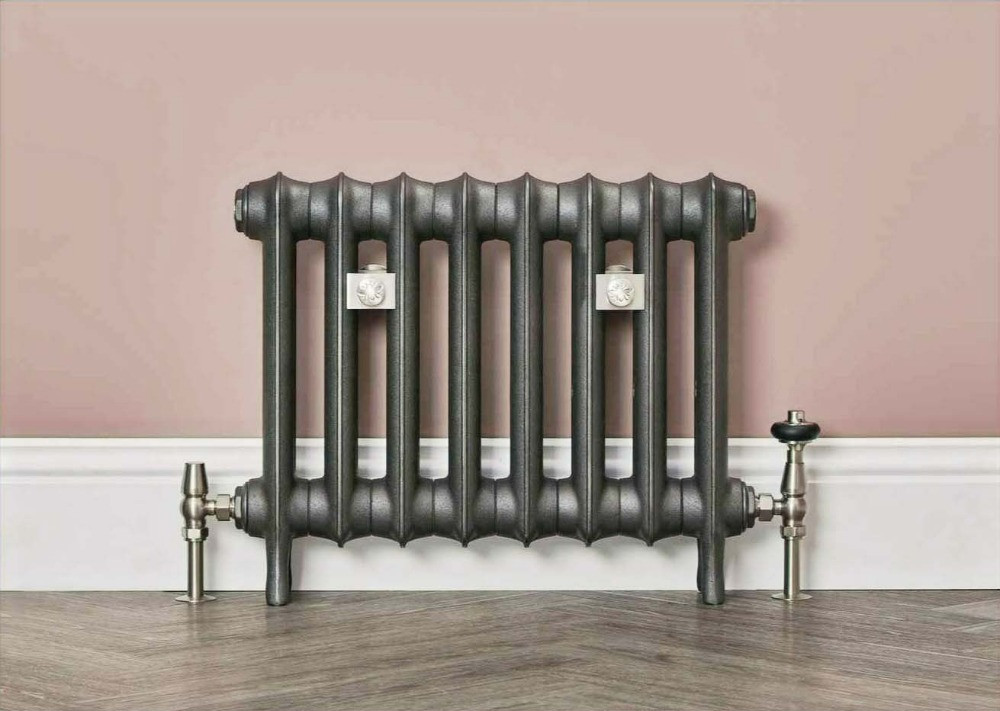
Cast iron radiators are among the oldest and most traditional radiators. They are heavy and often require additional support for installation on lighter walls. One of their primary disadvantages is that they can take longer to heat up and cool down, which may lead to delayed startup times when using a thermostat.
However, cast iron radiators have one significant advantage: they produce very little noise due to the thick material used. The water flowing through these radiators creates less vibration than in other types of radiators. Additionally, cast iron radiators can be easily repaired or replaced if damaged, as the components are relatively simple and can be sourced locally.
Cast iron radiators also tend to last longer than other materials, with some lasting for over 50 years with proper maintenance. This durability makes them a popular choice among homeowners who value their longevity.
Aluminum Radiators: Lightweight but Noisy
Aluminum radiators are more modern and lighter compared to their cast iron counterparts. They can be installed with ease, making them a popular choice for many homeowners. However, they have some drawbacks – the sound of water flowing through the radiator can cause noise issues and vibrations.
Another disadvantage of aluminum radiators is that they tend to rust when exposed to certain types of water, which may lead to internal corrosion problems. This can lead to premature failure of the radiator, requiring costly repairs or even replacement.
Despite these limitations, aluminum radiators have some advantages over other materials. They are generally less expensive than cast iron radiators and require less maintenance due to their lightweight construction. Additionally, they tend to heat up faster than cast iron radiators, making them suitable for modern homes with smaller radiators.
Steel Radiators: The Best of Both Worlds
Steel radiators are an excellent option for those looking for a balance between performance and cost. They have the same efficiency as cast iron radiators but without the added weight. Steel radiators also require less maintenance due to their resistance to corrosion.
However, they do not offer the advantage of being easily expandable or contractible like other materials. Steel radiators are more expensive than aluminum ones, but their quality is hard to beat when it comes to performance and durability.
Steel radiators are also suitable for high-pressure systems, as they can withstand the stresses associated with increased water pressure. They are also relatively easy to clean and maintain, making them a popular choice among homeowners who value convenience.
Factors to Consider When Choosing a Radiator System
When selecting a radiator system, there are several factors to consider, including:
- Material: Cast iron radiators offer durability but require more maintenance than other materials. Aluminum radiators provide a lightweight option with less noise and vibration issues.
-
Cost: Steel radiators fall somewhere in between the cost of cast iron and aluminum radiators, offering an excellent balance between performance and affordability.
-
Performance: Radiators can be heated or cooled by water flow, air flow, or electrical resistance heating elements. Consider your desired heating/cooling method when selecting a radiator system.
- Space constraints: If you have limited space in your home, aluminum radiators might not be the best choice due to their larger size compared to steel radiators.
- Noise level: Cast iron radiators produce less noise than other materials, making them suitable for homes with sensitive occupants.
Installation Considerations
Proper installation is crucial for optimal performance and efficiency of a radiator system. Factors such as:
- Water pressure: Ensure that your radiator system can handle the water pressure in your home.
- Pipe sizing: Proper pipe sizes are required to ensure efficient heat transfer between the boiler, distributor, and radiators.
Installation mistakes can lead to reduced performance or even failure of the system. Consider hiring a professional if you’re not experienced with plumbing or heating systems.
Maintenance and Upkeep
Regular maintenance is essential for extending the lifespan of your radiator system. Tasks such as:
- Cleaning: Regular cleaning helps ensure optimal heat transfer between the radiators and their surroundings.
- Filter replacement: Filter replacement ensures that water flows freely through pipes, preventing clogs and reducing pressure on the boiler.
- Leak detection: Regularly inspecting for leaks can help prevent costly repairs and system failure.
Regular maintenance helps to maintain performance, efficiency, and lifespan of your radiator system.
Conclusion: Choosing the Right Radiator for Your Needs
In conclusion, there are many factors to consider when choosing a radiator system for your home. From material to cost, each type of radiator has its pros and cons. Careful consideration of these factors will ensure that you select the right option for your heating needs.
By understanding the different materials used in radiator construction, considering installation requirements, performing regular maintenance, and weighing performance against other factors like noise level, homeowners can find a reliable and efficient radiator system to meet their needs.
Frequently Asked Questions (FAQs)
- What is the most common material used in radiator construction?
Cast iron radiators have been the most traditional choice but aluminum and steel are increasingly popular. - How do I prevent corrosion issues with my radiators?
Regular cleaning, maintenance, and a balanced water chemistry can help prevent corrosion problems in your radiators. - What is the benefit of choosing an all-metallic radiator over other materials?
All-metallic radiators have excellent performance due to their resistance to corrosion and heat loss. - How often should I clean my radiators?
Regular cleaning with a brush, cloth, or even compressed air can help maintain performance and prevent dust buildup. - What is the ideal temperature for maintaining radiator efficiency?
Ideally, the water in your radiators should be between 180°F to 190°F (82°C to 88°C) for optimal heat transfer.
By understanding these factors, homeowners can make informed decisions about their heating needs and select a reliable radiator system that suits their requirements.


