
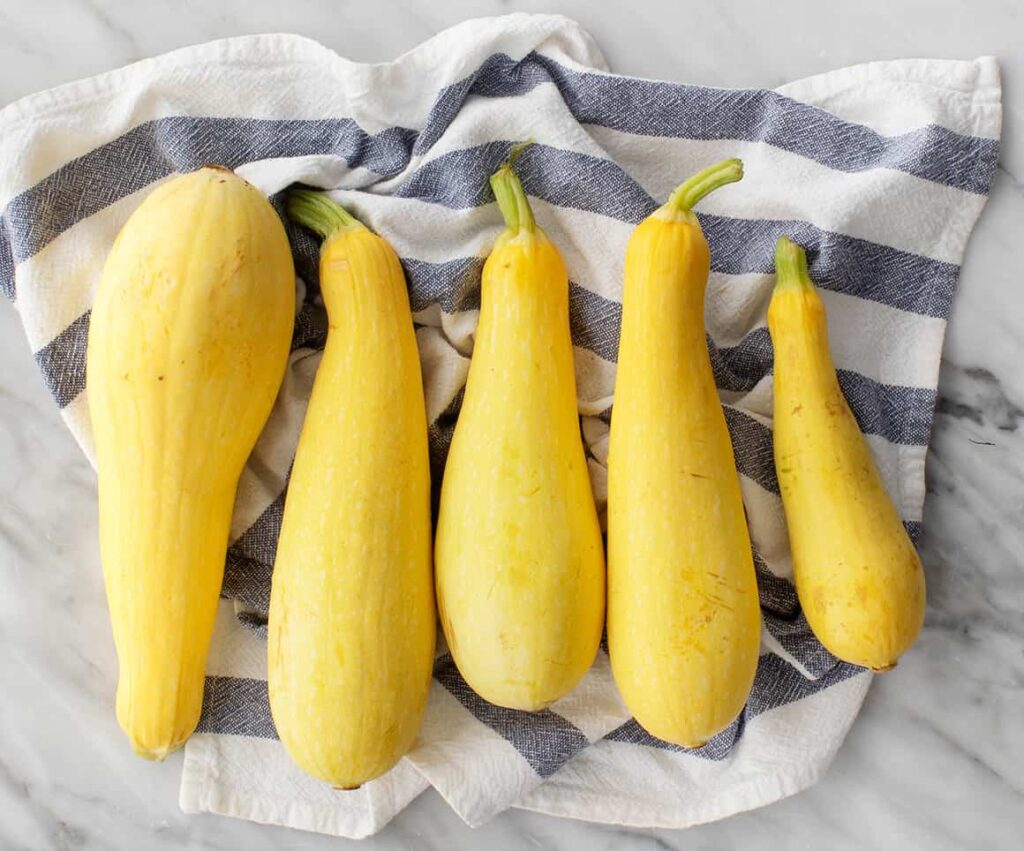
What is the Golden Squash?
The golden squash, also known as Cucurbita maxima, is a type of summer squash that belongs to the Cucurbitaceae family. It is widely cultivated and consumed in many parts of the world due to its sweet and flavorful flesh. The golden squash has been a staple ingredient in various cuisines for centuries, and its popularity can be attributed to its versatility and nutritional value.
Types of Golden Squash
There are several varieties of golden squash, each with its unique characteristics and uses in cooking. Some popular types include:
- Marina di Chioggia: a type of yellow-orange squash known for its sweet and nutty flavor
- Grigia di Bologna: a sweet and mild variety that is often used in Italian cuisine
- Mammouth: the most common type of golden squash, with a rich and buttery texture
- Zucca Turbante turco: a decorative and flavorful variety with a distinctive shape and color
- Quintale: a large and juicy type of golden squash often used for stuffing and baking
Growing Golden Squash
Golden squash is typically grown in warm weather, and the ideal time for sowing seeds is between April and May. However, it cannot be grown in pots as it is a climbing plant that requires space to spread out. The ideal climate for growing golden squash is characterized by full sun, well-draining soil, and a temperature range of 65-85°F (18-30°C).
To ensure optimal growth, golden squash needs regular watering, fertilization, and pruning. It is also essential to provide adequate sunlight and a well-draining soil to prevent disease and pests. Some common pest problems associated with golden squash include aphids, powdery mildew, and squash bugs.
Preparing Golden Squash for Cooking
Before cooking, golden squash needs to be cleaned and prepared properly. Here are some steps to follow:
- Cut both ends of the squash off.
- Split it in half lengthwise and scoop out the seeds and pulp.
- Wash the squash thoroughly with water.
- Remove any stringy or fibrous parts using a vegetable peeler or paring knife.
- Pat the squash dry with paper towels to remove excess moisture.
Cooking Golden Squash: A Delicious Recipe
One of the most popular dishes made from golden squash is Pasta e Zucca, a classic Neapolitan recipe. Here’s a simple and flavorful recipe to try:
Ingredients:
- 180g pasta
- 550g golden squash
- 5 tablespoons olive oil
- 2 cloves garlic
- 1 sprig of fresh parsley
- 1/4 teaspoon red pepper flakes
- Salt and pepper to taste
- 80g Parmesan cheese
Instructions:
- Cook the pasta according to package instructions.
- Sauté the squash in olive oil with garlic, salt, and pepper until tender.
- Add the cooked pasta to the skillet and toss everything together.
- Stir in the Parmesan cheese and serve hot.
Nutritional Benefits of Golden Squash
Golden squash is a nutrient-rich food that provides numerous health benefits. Some of its key nutritional benefits include:
- Low calorie content: golden squash is an excellent source of fiber and low in calories, making it an ideal ingredient for weight loss diets.
- High water content: golden squash is composed of about 90% water, making it one of the most hydrating vegetables in the world.
- Rich source of vitamins A, C, and potassium: golden squash is an excellent source of these essential vitamins and minerals, which are crucial for maintaining healthy skin, hair, and eyes.
- Good source of minerals like magnesium and iron: golden squash is a good source of these essential minerals, which play a critical role in maintaining energy levels and supporting overall health.
Conclusion
Golden squash is a versatile and delicious ingredient that can be used in various dishes. With its numerous health benefits and ease of preparation, it’s no wonder why golden squash has become a staple in many cuisines around the world. Whether you’re looking for a flavorful side dish or a nutritious addition to your meals, golden squash is an excellent choice.
Tips for Growing Golden Squash
- Choose a sunny location: golden squash requires full sun to grow, so choose a location that receives at least 6 hours of direct sunlight per day.
- Use well-draining soil: golden squash prefers well-draining soil to prevent disease and pests. Add organic matter like compost or manure to improve soil structure and fertility.
- Water regularly: golden squash needs regular watering to stay healthy and produce fruit. Aim for about 1 inch of water per week, either from rainfall or irrigation.
- Fertilize regularly: golden squash requires fertilization to promote growth and fruit production. Use a balanced fertilizer that is high in nitrogen, phosphorus, and potassium.
Common Problems with Golden Squash
- Aphids: aphids are small, soft-bodied insects that can cause damage to golden squash leaves and stems.
- Powdery mildew: powdery mildew is a fungal disease that causes white powder-like growth on the surface of golden squash leaves and stems.
- Squash bugs: squash bugs are flat, brown insects that feed on golden squash seeds and fruits.
Storage and Preservation
Golden squash can be stored in a cool and dry place to prevent spoilage. It can be refrigerated for up to 5 days or frozen for up to 3 months. To preserve golden squash, it’s essential to cook it thoroughly before storing to kill off bacteria and other microorganisms.
Raw Golden Squash
Golden squash can be eaten raw and used in salads, slaws, or as a snack. Here are some ideas for using raw golden squash:
- Salads: slice the squash thinly and add it to green salads or fruit salads.
- Slaws: grate the squash and mix it with mayonnaise, vinegar, and spices for a delicious slaw.
- Snacks: serve sliced or grated golden squash as a healthy snack.
Conclusion
Golden squash is a versatile and nutritious ingredient that can be used in various dishes. With its numerous health benefits and ease of preparation, it’s no wonder why golden squash has become a staple in many cuisines around the world. Whether you’re looking for a flavorful side dish or a nutritious addition to your meals, golden squash is an excellent choice.


