
Introduction
If you’re a cat enthusiast or thinking of adding a new feline friend to your family, you might have heard of the Cheetoh cat. This breed is relatively new, having been developed in the United States at the end of the 20th century through a combination of Bengal and American Shorthair cats. The result is a unique and affectionate companion with an exotic coat and playful personality.
In this article, we’ll delve into the characteristics, health, diet, and price of the Cheetoh cat, as well as provide valuable insights into its behavior, longevity, and suitability for various households.
Physical Characteristics
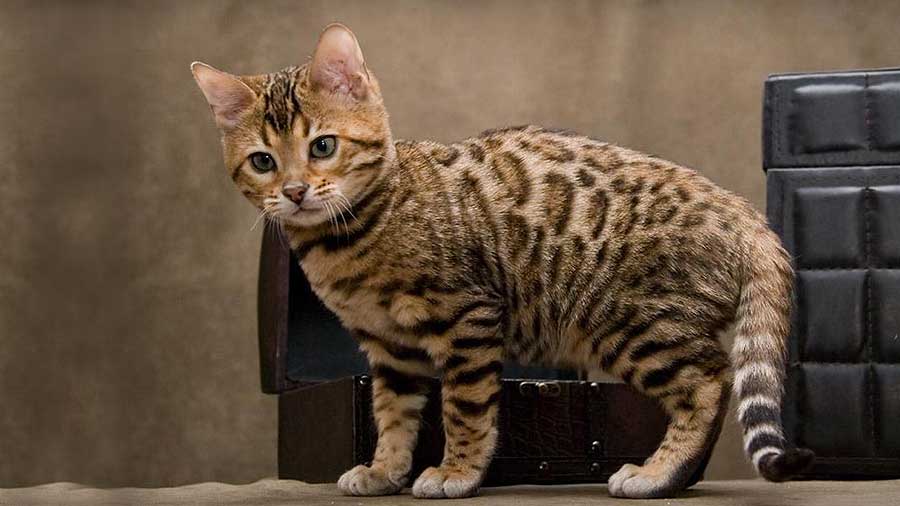
The Cheetoh cat boasts a sturdy build with males weighing between 5-8 kg. Its distinctive feature is its thick, soft fur with dark spots on a cream or golden background. Its large, round eyes are an intense green that complements the color of its coat. Pronounced ears and a muscular body contribute to its sleek appearance.
The Cheetoh’s physique allows it to maintain its energetic lifestyle, always ready to move and play. Its unique appearance makes it stand out from other breeds, making it a favorite among cat enthusiasts.
Personality
As predicted, the Cheetoh has an outgoing and playful personality, making it an ideal companion for families with children or elderly owners. This breed is extremely affectionate and seeks constant attention and interaction from its owner.
Cheetohs adore playing and interacting with people and other domestic animals. Their social nature makes them perfect for households with multiple pets, as they get along well with other cats and dogs.
Standard Colors
The Cheetoh cat comes in standard colors of cream, golden brown, and a wide range of shades of orange-brown. Maculations on the coat should be defined and black or dark brown in color, with no white or grey markings allowed.
These colors are recognized by feline associations for registration and classification purposes.
Diet and Nutrition
To maintain your Cheetoh’s health, it’s essential to provide an balanced diet that meets its nutritional needs. Here are some key recommendations:
- High-quality dry food: Choose premium dry foods with high-quality protein sources (e.g., chicken or fish) and essential nutrients.
- Wet food: Include wet food in their diet, such as canned or pouches, to maintain hydration and prevent kidney problems.
- Portion control: Monitor food portions to avoid obesity and related health issues.
- Fresh water: Ensure access to fresh, clean water at all times.
Consult with your veterinarian for personalized dietary advice based on your Cheetoh’s age, weight, activity level, and any health concerns.
Health Issues
Like other breeds of cats, the Cheetoh is susceptible to certain health problems. Be aware of:
- Skin issues: Skin infections or fungal diseases can occur due to its soft, long coat.
- Kidney problems: A balanced diet and proper hydration can help prevent kidney issues.
- Eye problems: Regular check-ups with your veterinarian can detect eye issues such as inflammation or ulcers.
- Hip dysplasia: This breed is prone to hip dysplasia, a genetic condition affecting joint health.
Regular veterinary visits, a balanced diet, and regular exercise can help prevent these health issues.
Longevity
The Cheetoh cat is known for its longevity, living up to 12 years or more with proper care. Its active lifestyle demands regular exercise and mental stimulation to keep it happy and healthy.
Compatibility with Household Members
Cheetohs are friendly and outgoing, making them perfect for households with children, elderly owners, or other pets. Their high social nature allows them to thrive in multi-pet households, as they get along well with cats and dogs.
However, due to their energetic lifestyle, it’s recommended that you provide your Cheetoh with regular exercise and mental stimulation to prevent boredom and destructive behavior.
Price
The price of a Cheetoh cat ranges from $800 to $1,000, depending on its pedigree, age, and physical characteristics. As always, the cost is influenced by factors like breeding quality, health clearances, and show-winning potential.
In conclusion, the Cheetoh cat is an extraordinary companion with a unique appearance, playful personality, and high social nature. By understanding its needs, providing proper care and nutrition, and being aware of potential health issues, you can create a happy and fulfilling home for your new feline friend.
Frequently Asked Questions
Here are some common questions about the Cheetoh cat:
- What is the origin of the Cheetoh breed?
The Cheetoh breed was developed in the United States through a combination of Bengal and American Shorthair cats. - How long does a Cheetoh cat typically live?
With proper care, a Cheetoh can live up to 12 years or more. - Are Cheetohs good with other pets?
Yes, due to their high social nature, Cheetohs get along well with cats and dogs in multi-pet households. - What is the typical price range for a Cheetoh cat?
The price of a Cheetoh cat ranges from $800 to $1,000. - Can I train my Cheetoh?
While Cheetohs can be trained with patience and consistency, they are known for their independent nature and strong will. - How often should I feed my Cheetoh?
Follow a balanced diet recommended by your veterinarian, taking into account your cat’s age, weight, activity level, and any health concerns. - Can I take my Cheetoh for walks?
Due to its slender build, a Cheetoh can enjoy regular exercise outside of the house, such as in a securely fenced area or indoor playpen. - What is the typical lifespan of a male Cheetoh cat?
Male Cheetoh cats typically live shorter lives than females due to genetic factors and potential health issues. - Can I have multiple Cheetohs together?
While it’s possible, introducing two or more Cheetohs into the same household can be challenging due to their energetic lifestyle and high social nature. - How often should I groom my Cheetoh?
Regular grooming is necessary to prevent matting and tangling of its soft coat.
Some other factors to consider when thinking about bringing a new cat home are:
- Lifestyle: If you have an active family, a Cheetoh can be a great companion. However, if your family spends most of the day away from home, it might be better to get a lower-maintenance pet.
- Space: Make sure you have enough space in your home for a cat to play and exercise without feeling cramped or restricted.
- Allergies: If someone in your household has allergies, you’ll need to consider this when deciding whether to bring a Cheetoh into your home.
By carefully considering these factors and providing the necessary care and attention, you can create a happy and fulfilling life for both yourself and your new feline friend.


