
As we navigate the complexities of modern life, it’s easy to overlook one of the most powerful tools in our quest for optimal health: natural antioxidants. These tiny molecules work tirelessly to protect us from damage caused by free radicals, which can lead to a range of health problems, including chronic diseases and premature aging.
But what exactly are antioxidants, and why are they so crucial for our well-being? In this article, we’ll delve into the world of natural antioxidants, exploring their significance, benefits, and ways to incorporate them into your daily life.
What are Antioxidants?
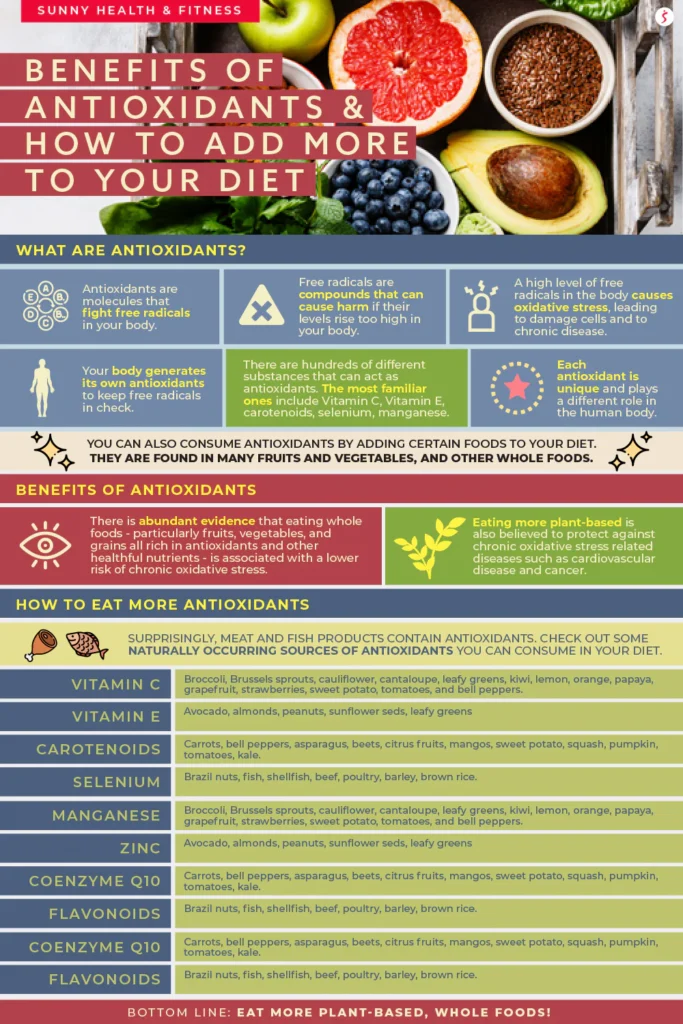
Antioxidants are substances that neutralize or mop up free radicals, which are unstable molecules that can cause oxidative stress in our bodies. This process is essential for maintaining cellular health and preventing damage from environmental stressors like pollution, UV radiation, and smoking.
Free radicals are formed naturally in our bodies as a byproduct of metabolic processes, but they also accumulate from external sources, such as:
- Pollution
- Smoking
- UV radiation
- Certain medications
Antioxidants help mitigate the damage caused by free radicals, which can lead to various health issues, including:
- Cancer
- Neurodegenerative diseases (e.g., Alzheimer’s, Parkinson’s)
- Cardiovascular disease
- Premature aging
Types of Natural Antioxidants
While there are many types of antioxidants, some of the most potent and easily accessible include:
- Vitamins C and E: These two vitamins are among the most well-known antioxidants, with vitamin C helping to neutralize free radicals and vitamin E acting as a scavenger for oxidative stress.
- Beta-carotene: Found in carrots, sweet potatoes, and other orange veggies, beta-carotene converts to vitamin A in the body, which plays a crucial role in maintaining healthy skin, mucous membranes, and immune function.
- Selenium: An essential mineral found in Brazil nuts and fish, selenium helps protect cells from damage caused by free radicals.
- Polyphenols: Abundant in fruits, vegetables, and tea, polyphenols are powerful antioxidants that have been shown to have anti-inflammatory properties.
Foods Rich in Antioxidants
Antioxidants are not just limited to supplements or vitamins; many whole foods are rich in these beneficial compounds. Some of the top antioxidant-rich foods include:
- Berries: Berries such as blueberries, raspberries, and strawberries are packed with antioxidants like vitamin C, ellagic acid, and anthocyanins.
- Leafy Greens: Leafy greens like spinach, kale, and collard greens are rich in vitamins A, C, and E, as well as minerals like calcium and iron.
- Nuts and Seeds: Nuts and seeds like almonds, sunflower seeds, and pumpkin seeds are high in healthy fats, protein, and antioxidants like selenium and magnesium.
- Fatty Fish: Fatty fish like salmon, tuna, and mackerel are rich in omega-3 fatty acids, which have anti-inflammatory properties and help reduce oxidative stress.
- Dark Chocolate: Dark chocolate, in moderation, contains flavonoids, which have antioxidant and anti-inflammatory effects.
Benefits of Antioxidants
The benefits of natural antioxidants are numerous:
- Reduced risk of chronic diseases: Antioxidants have been shown to lower the risk of heart disease, cancer, and neurodegenerative disorders.
- Improved skin health: Antioxidants help protect our skin from damage caused by UV radiation, pollution, and aging.
- Enhanced cognitive function: Some antioxidants, like B vitamins, play a crucial role in maintaining healthy brain function.
- Boosted immune system: Antioxidants support the production of white blood cells and other immune components.
Incorporating Antioxidants into Your Daily Life
While it’s easy to get caught up in supplements and fancy products, there are many simple ways to boost your antioxidant intake:
- Eat a balanced diet: Focus on whole, unprocessed foods rich in antioxidants.
- Stay hydrated: Drink plenty of water throughout the day.
- Exercise regularly: Physical activity can help increase antioxidant production in the body.
- Manage stress: Chronic stress can deplete antioxidant levels; try relaxation techniques like meditation or deep breathing.
Additional Tips for Boosting Antioxidant Intake
- Drink green tea: Green tea contains high levels of catechins, powerful antioxidants that have been shown to have anti-inflammatory properties.
- Incorporate turmeric into your diet: Turmeric contains curcumin, a potent antioxidant with anti-inflammatory effects.
- Take a multivitamin: If you’re not getting enough antioxidants from your diet, consider taking a multivitamin that includes essential vitamins and minerals.
Conclusion
Natural antioxidants are a powerful tool in our quest for optimal health, and incorporating them into your daily life is easier than you think. By understanding what antioxidants are, how they work, and where to find them, you’ll be well on your way to unlocking their full potential.


