
As we go about our daily lives, we often take for granted one of the most essential functions of our bodies – breathing. However, breathing is more than just inhaling and exhaling; it’s a complex process that involves multiple organs and muscles working in harmony. In this article, we’ll delve into the world of breathwork, exploring the factors that can impact our breathing, the anatomy of respiration, and most importantly, how to breathe well.
The Importance of Breathing
Breathing is the foundation of life, providing us with oxygen and removing carbon dioxide from our bodies. It’s a vital function that’s essential for physical and mental well-being. But what happens when we don’t breathe properly? Poor posture, anxiety, and respiratory conditions like asthma can all contribute to labored breathing.
Anatomy of Breathing
Breathing involves the coordination of several organs and muscles. The diaphragm, intercostal muscles, abdominal muscles, and lung capacity are just a few of the key players involved in this process. However, factors like posture errors, muscle tension, and respiratory issues can negatively impact breathing.
Some common culprits of poor breathing include:
- Poor posture: When we slouch or have an irregularly shaped spine, it can put pressure on our diaphragm and make it harder to breathe.
- Overweight and obesity: Excess weight can put strain on our lungs and heart, making it more difficult to breathe.
- Anxiety: Stress and anxiety can cause us to take shallow breaths, leading to fatigue and decreased oxygen levels in the body.
- Muscle tension: Tight muscles in the chest and shoulders can limit lung expansion and make breathing more difficult.
- Nasal congestion: When our nasal passages are congested, it can make it harder for air to flow into the lungs, leading to labored breathing.
- Respiratory conditions like asthma: Conditions like asthma can cause inflammation and constriction of the airways, making it hard to breathe.
- Nocturnal apnea: This is a sleep disorder that causes pauses in breathing during sleep, which can lead to fatigue and decreased oxygen levels in the body.
- Poor air quality: Exposure to pollutants and allergens can irritate the respiratory system and make breathing more difficult.
- Inappropriately high humidity levels in the air (too dry or too humid): Extreme temperatures can affect lung function and breathing.
Breathing: A Complex Process
Breathing is a complex process that involves the coordination of multiple organs and muscles. It’s a delicate balance between inspiration and expiration, with the diaphragm playing a crucial role in this process.
Inspirations and Expirations
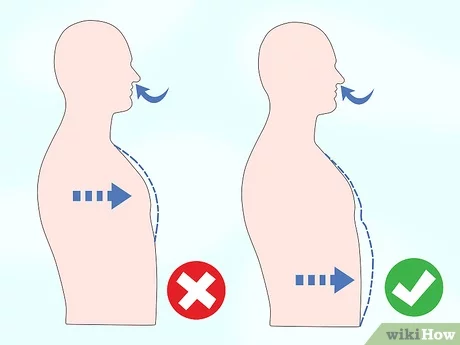
When we breathe in, air fills the upper parts of our lungs, causing our shoulders and collarbones to rise. As we exhale, the blood vessels in our lungs contract, allowing us to release carbon dioxide from our bodies. This process is essential for maintaining proper respiratory function.
How to Breathe Well
So, how can we breathe well? The answer lies in establishing good breathing habits, which involve a combination of physical exercises and psychological techniques.
Firstly, it’s essential to identify any underlying medical issues that may be impacting your breathing. This includes ensuring your heart is pumping correctly and that your lungs are healthy. If you have allergies or respiratory conditions, taking steps to manage them can also help improve your breathing.
Consulting with an orthopedic specialist can also be beneficial, as poor posture can significantly impact breathing. By addressing any underlying issues, you can begin to develop healthy breathing habits.
Exercises of Breathing
In addition to identifying and managing underlying medical issues, practicing breathing exercises can also help improve your respiratory function. Here are some exercises you can try:
- Diaphragmatic Breathing: This type of breathing involves engaging the diaphragm to facilitate deeper, more efficient breathing.
- Yoga and Meditation: These practices can help calm the mind and body, promoting healthy breathing habits.
- Box Breathing: This exercise involves breathing in for a count of four, holding your breath for a count of seven, exhaling for a count of eight, and holding your breath again for a count of seven. This can help slow down your heart rate and promote relaxation.
Tips for Improving Your Breathing
So, how can you breathe better? Here are some tips to get you started:
- Practice deep breathing exercises regularly: Set aside time each day to practice deep breathing exercises, such as diaphragmatic breathing or box breathing.
- Engage in physical activities that promote good posture: Regular exercise can help strengthen your muscles and improve your posture, making it easier to breathe.
- Avoid smoking and limit exposure to pollutants: Smoking can damage your lungs and respiratory system, while pollution can irritate the airways. Limiting exposure to these substances can help improve breathing.
- Stay hydrated by drinking plenty of water: Proper hydration is essential for maintaining healthy lung function and breathing.
- Manage stress and anxiety through relaxation techniques: Stress and anxiety can cause us to take shallow breaths, leading to fatigue and decreased oxygen levels in the body. Practicing relaxation techniques like meditation or yoga can help calm the mind and body.
Conclusion
Breathing is a complex process that involves multiple organs and muscles working together. By understanding the anatomy of breathing and identifying any underlying issues, you can take steps to improve your respiratory function. With practice and patience, anyone can learn how to breathe well.
Frequently Asked Questions
- Q: What are some common causes of poor breathing?
A: Poor posture, anxiety, muscle tension, nasal congestion, and respiratory conditions like asthma can all contribute to labored breathing. - Q: How can I improve my breathing?
A: Practicing deep breathing exercises regularly, engaging in physical activities that promote good posture, and avoiding smoking can all help improve your respiratory function. - Q: What is diaphragmatic breathing?
A: Diaphragmatic breathing involves engaging the diaphragm to facilitate deeper, more efficient breathing. - Q: Can I breathe well without exercising?
A: While exercise can promote healthy breathing habits, it’s not necessary for everyone. Simple techniques like deep breathing and relaxation can also help improve respiratory function. - Q: How often should I practice breathing exercises?
A: Aim to practice breathing exercises at least once a day, ideally in the morning or before bed. - Q: Can stress affect my breathing?
A: Yes, stress and anxiety can significantly impact breathing. Practicing relaxation techniques like meditation or yoga can help calm the mind and body. - Q: How can I manage allergies to improve my breathing?
A: Identifying any allergies that may be impacting your breathing is essential. Working with an allergist to develop a management plan can also help alleviate symptoms. - Q: Can smoking affect my breathing?
A: Yes, smoking can significantly impact respiratory function. Quitting smoking or limiting exposure to pollutants can help improve breathing.
By understanding the complexities of breathing and taking steps to improve your respiratory function, you can breathe easier, live healthier, and enjoy a better quality of life.


