
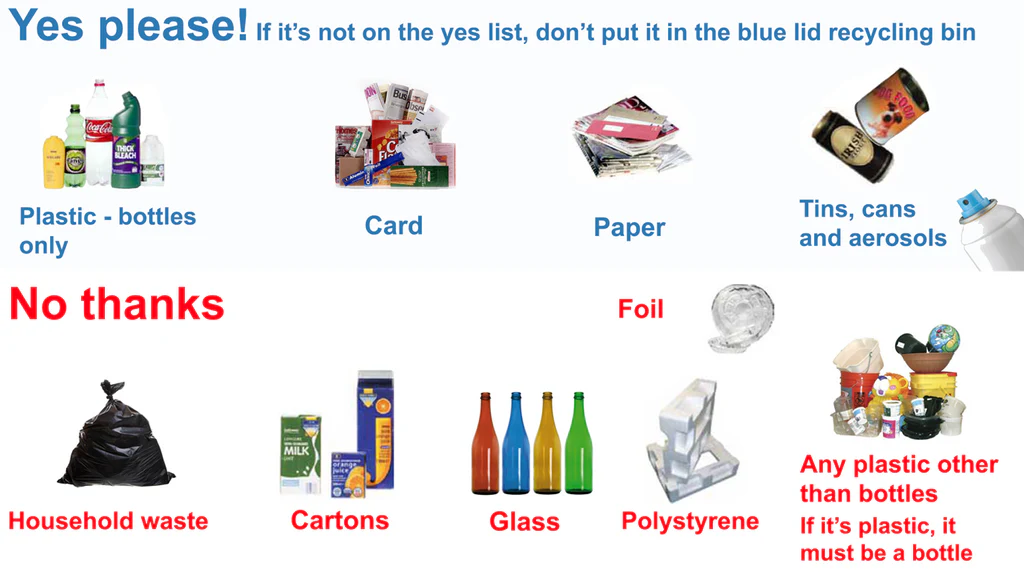
As we strive to reduce, reuse, and recycle waste, it’s essential to understand what types of waste are not recyclable. In this article, we’ll delve into the world of non-recyclable waste, exploring its sources, management practices, and the impact on our environment.
What is Non-Recyclable Waste?
Non-recyclable waste refers to materials that cannot be processed or transformed into new products through recycling processes. These materials often end up in landfills or incinerators, contributing to environmental pollution and harm.
Common Types of Non-Recyclable Waste
Some common types of non-recyclable waste include:
- Soiled paper and cardboard: Paper products contaminated with food residue, liquids, or other substances that make them unusable for recycling.
- Plastic packaging materials: Individual serving sizes of plastic containers, bags, and wraps that are not designed for recycling.
- Batteries: Disposable batteries that contain hazardous materials like lead, mercury, or cadmium.
- Electronic waste (e-waste): Discarded electronic devices, such as computers, smartphones, televisions, and printers, that contain toxic substances.
- Textiles and fabrics: Clothing, upholstery, and other textile items that are no longer wearable or usable.
Why is Non-Recyclable Waste a Problem?
Non-recyclable waste poses significant environmental risks due to the following reasons:
- Environmental pollution: The disposal of non-recyclable waste in landfills releases greenhouse gases, toxins, and other pollutants into the atmosphere.
- Resource depletion: The extraction and processing of raw materials required for new products can lead to deforestation, water pollution, and soil degradation.
- Health impacts: Exposure to toxic substances found in non-recyclable waste can cause health problems, including cancer, neurological damage, and reproductive issues.
The Impact on Marine Life
Non-recyclable waste has a devastating impact on marine life:
- Entanglement: Plastic debris, such as six-pack rings and fishing nets, can entangle and kill marine animals.
- Ingestion: Small plastic particles can be ingested by marine animals, causing blockages or toxicity.
- Habitat destruction: Large amounts of non-recyclable waste can accumulate in marine habitats, destroying coral reefs and other ecosystems.
The Consequences of Non-Recyclable Waste
The consequences of non-recyclable waste are far-reaching and devastating:
- Climate change: The production of new products requires resources, which can lead to deforestation, water pollution, and climate change.
- Health impacts: Exposure to toxic substances found in non-recyclable waste can cause health problems, including cancer, neurological damage, and reproductive issues.
- Economic costs: The disposal of non-recyclable waste can be costly, with landfills and incinerators requiring significant investment.
Smuggling Non-Recyclable Waste: The Risks and Consequences
Some individuals and organizations engage in the smuggling of non-recyclable waste, often with devastating consequences:
- Environmental harm: Smuggled waste can end up in oceans, rivers, and other waterways, causing pollution and harming aquatic life.
- Health risks: Toxic substances found in smuggled waste can be released into the environment, posing health risks to humans and wildlife.
The Role of Regulations
Regulations play a crucial role in addressing non-recyclable waste:
- Extended producer responsibility: Manufacturers may be held responsible for the disposal of their products, incentivizing them to design more sustainable packaging.
- Recycling targets: Governments can set recycling targets, encouraging individuals and businesses to recycle more effectively.
- Education and awareness: Educational campaigns can raise awareness about non-recyclable waste, promoting behavior change.
Conclusion
Non-recyclable waste is a pressing environmental concern that requires immediate attention. By understanding the sources, management practices, and impact of non-recyclable waste, we can work together to reduce, reuse, and recycle more effectively. We must also address the issue of smuggling non-recyclable waste, which poses significant environmental and health risks.
Frequently Asked Questions
- What is the main reason for non-recyclable waste?
- The main reason for non-recyclable waste is often a lack of awareness or understanding about what can and cannot be recycled.
- How does the smuggling of non-recyclable waste affect the environment?
- Smuggled non-recyclable waste can cause environmental harm, including pollution, deforestation, and health risks to humans and wildlife.
- What are some effective ways to reduce non-recyclable waste?
- Effective ways to reduce non-recyclable waste include increasing recycling rates, implementing extended producer responsibility, and promoting sustainable consumption practices.
By working together to address the issue of non-recyclable waste, we can create a more sustainable future for generations to come.



