
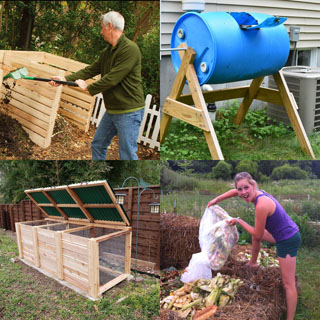
As gardeners, we’re constantly on the lookout for ways to create a sustainable and thriving environment for our plants. One simple yet effective solution is to harness the power of home-made compost. By leveraging natural processes of decomposition and humification, we can create a nutrient-rich fertilizer that’s free from harsh chemicals.
Why Compost Matters
Using chemical-based products to fertilize your garden may provide temporary results, but it comes with a host of negative consequences. These substances can disrupt the delicate balance of your soil, leading to reduced crop yields, stunted plant growth, and even long-term damage to your ecosystem. In contrast, compost made at home offers an eco-friendly alternative that’s both effective and sustainable.
Composting is not just about reducing waste; it’s also a way to recycle nutrients, conserve water, and improve the overall health of our soil. By creating a nutrient-rich compost, we can create a thriving environment for beneficial microorganisms, which in turn support healthy plant growth.
The Science Behind Home-Made Compost
So, how does composting work? It all starts with the right mix of organic materials. You’ll need a blend of carbon-rich “brown” matter (like dried leaves or straw) and nitrogen-rich “green” material (such as food scraps or fresh grass clippings). Add in some water to keep everything moist, and you’ve got the perfect conditions for microbial growth.
The process begins with the breakdown of organic matter into simpler compounds. Microorganisms like bacteria and fungi play a crucial role in this process, consuming carbon-rich materials and releasing nutrients that plants can absorb. As these microorganisms break down the organic matter, they create humus – a rich, dark soil amendment that’s teeming with beneficial microbes.
The Role of Microorganisms
Microorganisms are the unsung heroes of composting. These tiny organisms work tirelessly to break down organic matter, releasing nutrients and creating a nutrient-rich fertilizer that’s free from harsh chemicals. By understanding the role of microorganisms in composting, we can create an environment that fosters their growth and maximizes their benefits.
Getting Started with Composting
To begin your home-made composting journey, you’ll need a few essential tools: a compost bin or container, some basic knowledge of composting principles, and a willingness to get creative with your organic materials. Here are the key factors to consider when setting up your compost:
- Carbon-to-Nitrogen Ratio: Aim for a mix that’s roughly 2/3 carbon-rich material and 1/3 nitrogen-rich material.
- Water Content: Keep the mixture moist, like a damp sponge.
- Aeration: Ensure good airflow to prevent anaerobic conditions.
The Composting Process
Composting is a multi-stage process that involves fermentation, maturation, and decomposition. Here’s a breakdown of what happens at each stage:
Fermentation (Phase 1)
During this initial phase, the temperature of your compost will rise as microorganisms break down organic matter. This process eliminates pathogenic bacteria and sets the stage for further decomposition.
Maturation (Phase 2)
In the second stage, your compost begins to mature, taking around 6-8 months to complete. During this time, tougher plant material is broken down by fungi and actinomycetes.
Decomposition (Phase 3)
The final stage involves the breakdown of any remaining impurities and the creation of a fully decomposed compost that’s ready for use in your garden.
Tips and Tricks
To ensure a successful composting experience, keep the following tips in mind:
- Avoid Adding Weeds: Weeds can harbor pests and diseases that may harm your plants.
- Don’t Overwater: Too much moisture can lead to anaerobic conditions and reduced decomposition rates.
- Add Bulking Agents: Materials like straw or shredded newspaper can help absorb excess moisture and improve aeration.
Common Composting Challenges
While composting is a simple process, it’s not without its challenges. Here are some common issues that may arise during your composting journey:
- Odors: If your compost is too wet or lacks adequate carbon-rich materials, it can produce unpleasant odors.
- Pests: Weeds and other plant material can harbor pests that can harm your plants.
- Slugs and Snails: These slimy creatures love to feed on fresh plant matter, making them a common problem in compost piles.
Conclusion
Home-made compost is more than just a gardening hack – it’s a powerful tool for creating a sustainable and thriving ecosystem. By harnessing the power of natural decomposition, we can reduce our reliance on chemical fertilizers and create a healthier environment for both our plants and our planet.
By understanding the science behind composting, you’ll be better equipped to tackle common challenges and ensure a successful composting experience. So why not give it a try today and start unlocking the power of compost for yourself?


