
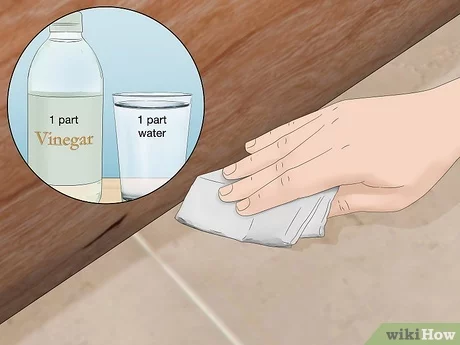
Is it possible to remove silicone using acetone? The answer is yes, and this method can be very useful for anyone who needs to remove silicone from domestic surfaces such as tiles, shower boxes, and other objects. The process of removing silicone with acetone is relatively simple and requires minimal tools.
Understanding the Process of Removing Silicone with Acetone
Before we dive into the step-by-step guide, it’s essential to understand that removing silicone with acetone may not be effective for all types of silicone, especially if they are old or hard. In these cases, you may need to use specialized products or consult a professional.
Types of Silicone and Their Effects on Acetone
There are several types of silicone used in various industries and applications. When it comes to removing silicone with acetone, the type of silicone can significantly impact the effectiveness of the process. Some common types of silicone include:
- Flexible silicone: This type of silicone is flexible and can be easily removed with acetone.
- Rigid silicone: This type of silicone is harder and more difficult to remove with acetone.
- Silicone adhesives: These are strong adhesives that may require specialized products or professional assistance to remove.
- Silicone sealants: These are used to seal gaps between surfaces, but can be challenging to remove.
Preparation of the Surface
To remove silicone effectively, it’s crucial to prepare the surface correctly. This involves evaluating the amount of silicone to be removed and its location on the surface. If the silicone is present in large quantities or is difficult to access, you may need to seek professional help.
Additionally, if the silicone is located on a delicate surface such as marble or wood, it’s essential to exercise extra caution during removal to avoid damaging the underlying surface.
Materials Needed for Removing Silicone with Acetone
To remove silicone using acetone, you’ll need the following materials:
- Acetone (also known as nail polish remover)
- Soft cloth or sponge
- Razor blade or scraper (optional)
- Solvent specifically designed for removing silicone (optional)
- Oil of wintergreen
The soft cloth or sponge should be used to apply acetone to the surface, while the razor blade or scraper can be used to remove any remaining residue. However, please note that using a solvent specifically designed for removing silicone may damage certain surfaces.
Acetone Concentration
When choosing an acetone solution for removing silicone, it’s essential to select one with the correct concentration of acetone. A general rule of thumb is to use a 100% acetone solution (also known as nail polish remover) for removing silicone. However, if you’re dealing with particularly stubborn or hard silicone, you may need to use a more concentrated solution.
Applying Acetone and Removing Silicone
To apply acetone to the surface, simply wet a soft cloth or sponge with it and gently rub it onto the area where you want to remove the silicone. Leave the acetone on the surface for about 30 minutes to allow it to soften the silicone.
Once the acetone has had time to work its magic, use a razor blade or scraper to carefully remove the softened silicone. Be sure to do this in small, gentle strokes to avoid damaging any underlying surfaces.
Tips and Precautions
When using acetone to remove silicone, there are several precautions you should take to ensure your safety and the effectiveness of the process:
- Wear gloves made of rubber or latex to protect your skin from direct contact with the acetone.
- Make sure the room is well-ventilated to avoid inhaling fumes.
- Avoid using acetone on delicate surfaces such as marble or stone, as it may cause permanent damage.
- Be sure to remove all remaining silicone residue completely, as it can cause health problems.
- Clean the surface thoroughly with water and soap after removing the silicone.
Removing Silicone from Specific Surfaces
When it comes to removing silicone from specific surfaces, there are some additional considerations to keep in mind:
- Glass: Acetone can be used to remove silicone from glass surfaces, but be sure to wear gloves and work in a well-ventilated area.
- Metal: Acetone can also be used to remove silicone from metal surfaces, but be careful not to damage the underlying surface.
- Wood: Avoid using acetone on wood surfaces, as it may cause permanent damage. Instead, try using a solvent specifically designed for removing silicone.
Common Mistakes to Avoid
When removing silicone with acetone, there are several common mistakes to avoid:
- Using too much acetone, which can damage the underlying surface.
- Not wearing gloves or working in a well-ventilated area, which can lead to health problems.
- Not removing all remaining silicone residue completely, which can cause health problems.
Removing Silicone from Complex Surfaces
When it comes to removing silicone from complex surfaces such as shower boxes or tile surrounds, there are some additional considerations to keep in mind:
- Shower boxes: Avoid using acetone on shower boxes with waterproof membranes, as it may damage the membrane.
- Tile surrounds: Be sure to remove any grout or adhesive before applying acetone to the silicone.
Removing Silicone from Mold and Mildew
When removing silicone that has become moldy or mildewed, there are some additional considerations to keep in mind:
- Mold and mildew removal: Use a solution of bleach and water to remove mold and mildew before applying acetone.
- Ventilation: Make sure the area is well-ventilated to avoid inhaling fumes.
Conclusion
Removing silicone with acetone can be an effective way to remove silicone from domestic surfaces, but it requires caution and attention to detail. By following these simple steps and taking necessary precautions, you’ll be able to safely and effectively use acetone to remove silicone from your surfaces.



