
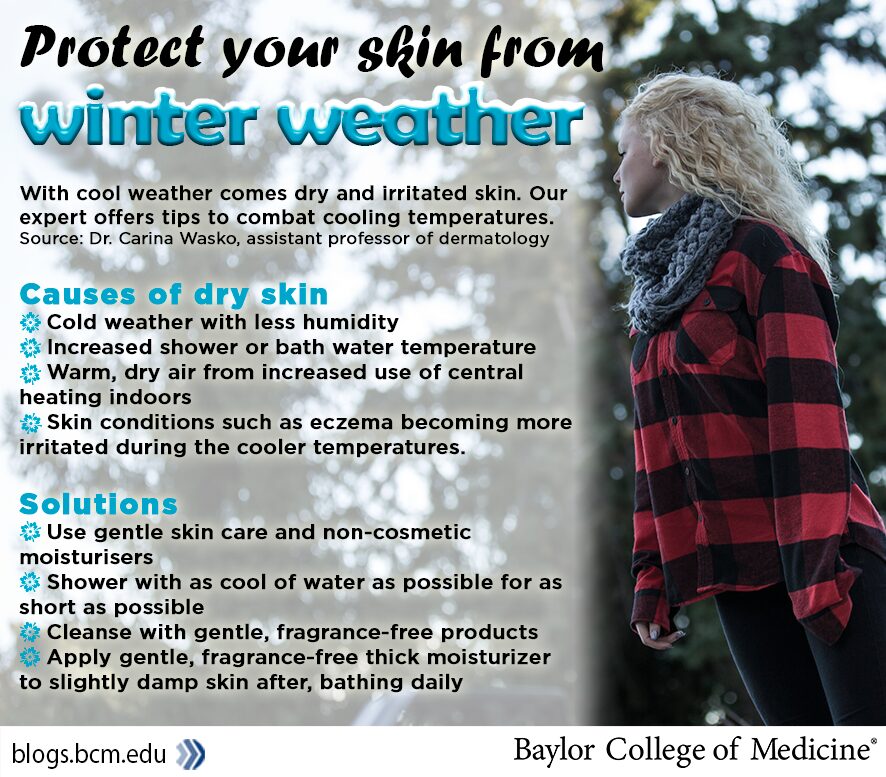
As the temperatures drop, our skin suffers along with us. It’s not just about feeling cold or hot; it’s about protecting our delicate skin from the harsh effects of low temperatures and dry air.
Why Do We Need to Protect Our Skin from Cold?
The problem isn’t just about our sensitivity to temperature changes. When the weather is cold, and the humidity is low, our skin suffers. Hands, face, lips, and even if it doesn’t seem like it at first, even those who don’t feel the cold are good that they cover up and protect themselves. And it’s not just a matter of esthetics; it’s also about circulation.
Circulation plays a crucial role in maintaining healthy skin, as it allows oxygen and nutrients to reach our cells. When our skin is exposed to cold temperatures, blood vessels constrict, reducing the amount of oxygen and nutrients that can penetrate the skin. This can lead to dryness, irritation, and even infections.
Additionally, cold weather can cause our skin to become more prone to damage from the environment, such as wind, sun, and pollutants. When we’re exposed to these factors, our skin’s natural barrier function is compromised, making it more susceptible to damage and inflammation.
How to Protect Your Skin from Cold: Creams
One of the most commonly adopted solutions when it comes to protecting our skin from cold is using creams. Before we dive into choosing the right cream, let’s make sure we’re properly hydrated from the inside out and if we have trouble drinking water, let’s focus on warm beverages like tea and herbal teas.
The cream is a must-have and useful solution for keeping our skin protected against cold temperatures, especially in the morning and evening. When selecting a cream, look for those with natural ingredients and certifications like organic, particularly those with nourishing and hydrating properties.
Natural ingredients that are known to provide excellent moisturizing benefits include shea butter, coconut oil, olive oil of Rose Canina, jojoba oil, sesame oil, burrocacao, avocado, and aloe vera. These ingredients work by filling in gaps between skin cells, creating an occlusive barrier that helps to lock in moisture and protect the skin from environmental stressors.
When choosing a cream, also look for those with additional benefits such as anti-inflammatory properties, antioxidants, or soothing agents like chamomile or lavender. Some examples of creams that can provide excellent protection against cold temperatures include:
- Shea butter creams: rich in vitamins A and E, beta-carotene, and essential fatty acids.
- Olive oil of Rose Canina creams: rich in antioxidants and essential fatty acids.
- Jojoba oil creams: lightweight, non-greasy, and rich in antioxidants and essential fatty acids.
It’s also worth noting that some creams can provide additional benefits such as:
- Reducing inflammation
- Soothing irritated skin
- Protecting against environmental stressors like UV radiation or pollution
Some popular hand cream brands include Burt’s Bees, Neutrogena, Cetaphil, and Palmer’s.
How to Protect Your Skin from Cold: Natural Remedies
Let’s take a step further beyond the cream and explore natural oils for the body. Applying a few drops of jojoba oil after our shower can help hydrate and nourish our skin. Similar effects are seen with sesame oil and shea butter. When thinking about protecting your skin from cold, don’t forget that there are also your hands to consider, which require special attention beyond just wearing gloves.
What Creams to Use for Your Hands?
When choosing a hand cream, look for those rich in biologically active ingredients and nutrients. Don’t forget to protect your lips more than ever during winter, and as a natural remedy, paraffin is an excellent barrier against cold temperatures. If you also want to achieve hydrating effects, consider making your own burrocacao.
Some popular hand cream brands include Burt’s Bees, Neutrogena, Cetaphil, and Palmer’s. When choosing a hand cream, look for those with ingredients like:
- Shea butter: rich in vitamins A and E, beta-carotene, and essential fatty acids.
- Coconut oil: lightweight, non-greasy, and rich in antioxidants and essential fatty acids.
- Olive oil of Rose Canina: rich in antioxidants and essential fatty acids.
How to Protect Your Skin from Cold: Advice
Even at the dinner table, we can learn how to protect our skin from cold weather. For example, preferring a menu rich in nuts, legumes, melons, and citrus fruits is a good starting point. Drinking water is essential, but during winter, it’s also beneficial to savor herbal tea.
When we’re indoors or at work, don’t think that protecting your skin from cold isn’t for you. The environment should not be too dry for our skin, and if it is, take action with humidifiers or other devices. When washing, cleaning the house, or doing laundry, choose detergents and soap liquids without Sodium laureth sulfate. Also, when taking a shower or bath, pay attention to water temperature; while we might dream of the classic “hot bath,” we should avoid temperatures above 36-37 degrees Celsius to prevent drying out our skin.
Additional tips for protecting your skin from cold include:
- Avoiding hot showers or baths
- Using gentle cleansers and moisturizers
- Staying hydrated with warm beverages like tea and herbal teas
- Wearing protective clothing such as gloves, hats, and scarves
- Exfoliating regularly to remove dead skin cells
FAQs
Q: How can I protect my skin from cold in winter?
A: Protecting your skin from cold involves using creams and natural oils, taking good care of hydration, choosing appropriate foods, avoiding dry environments, and paying attention to water temperature.
Q: What are the best ingredients for a hand cream?
A: When choosing a hand cream, look for those rich in biologically active ingredients and nutrients that help hydrate your skin.
Q: How can I protect my lips from cold temperatures?
A: Use paraffin or other natural remedies to create a protective barrier on your lips against cold weather.
Q: What are some healthy foods to eat during winter to keep your skin hydrated?
A: Eating foods rich in antioxidants, vitamins, and minerals is crucial for maintaining skin health. Include foods like nuts, legumes, melons, citrus fruits, and other nutrient-rich foods in your diet.
Q: How can I use natural oils to protect my skin from cold?
A: Apply a few drops of jojoba oil or sesame oil after showering to hydrate and nourish your skin.
Q: What is the ideal water temperature for showering?
A: The ideal water temperature for showering is between 36-37 degrees Celsius to avoid drying out your skin.
Q: How can I maintain a healthy environment for my skin during winter?
A: Use humidifiers or other devices to prevent dry air from entering your home and protect your skin with the right products.
Q: What are some natural remedies that can help reduce wrinkles, fine lines, and blemishes?
A: Natural oils like olive oil of Rose Canina, shea butter, and burrocacao can be used as a remedy for smoothing out imperfections on your skin.


