
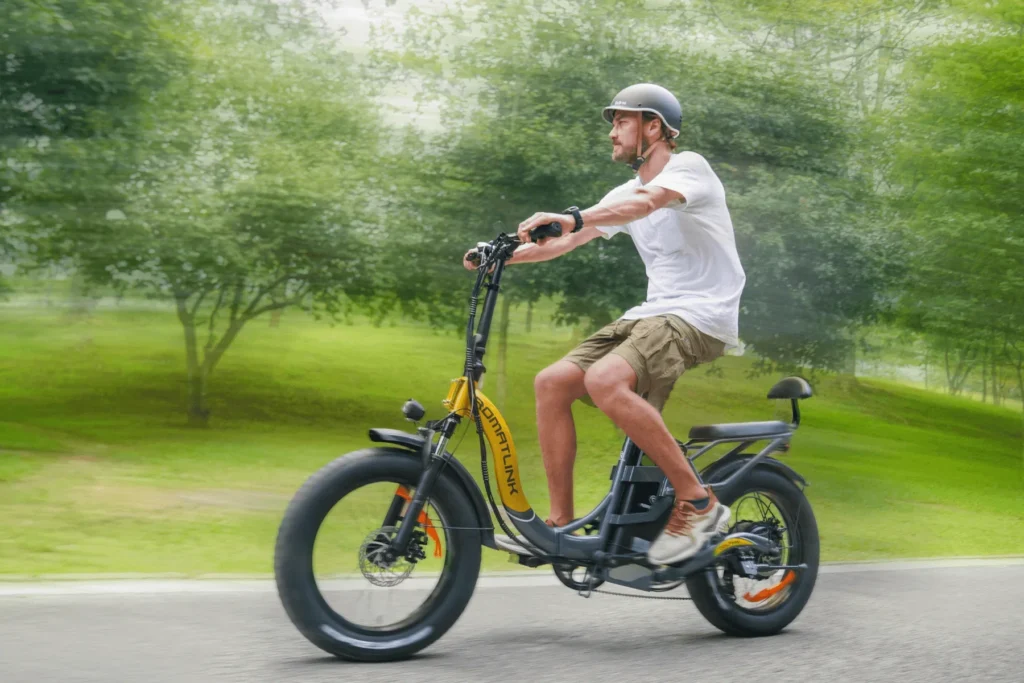
As the world shifts towards more sustainable and environmentally-friendly modes of transportation, cities like Rome are embracing innovative solutions to reduce their carbon footprint. One such initiative is the ELEbici@Roma3 project, which aims to promote sustainable mobility among university students by providing them with electric bicycles equipped with assisted pedaling technology.
A New Era in University Mobility
Imagine being able to get around campus, attend classes, and enjoy your favorite cafes without relying on cars or public transportation. This is the reality for thirty students participating in the ELEbici@Roma3 project, who will soon be riding brand new electric bicycles equipped with assisted pedaling technology.
The ELEbici@Roma3 project represents a significant shift in the way university students move around Rome. With the increasing awareness of environmental issues and the need to reduce carbon emissions, cities are turning to innovative solutions like electric bicycles. By providing e-bikes to students, the project aims to encourage them to adopt more sustainable transportation options, contributing to a cleaner and healthier urban environment.
A Collaboration Between Two Institutions
The ELEbici@Roma3 project was born out of a partnership between the University Roma 3 and Enel Green Power, a leading provider of renewable energy solutions. The aim is to triple the number of electric bicycles circulating in Rome within a few years, making it easier for students to get around without harming the environment.
The partnership between the university and Enel Green Power demonstrates the growing interest in sustainable mobility solutions. By collaborating with a leading provider of renewable energy solutions, the project can leverage Enel’s expertise and resources to ensure the e-bikes are both environmentally friendly and reliable.
The Benefits of Assisted Pedaling
Assisted pedaling technology allows cyclists to pedal at a comfortable pace while the bicycle assists them with additional power. This feature is particularly useful for short distances or when carrying heavy loads. By providing electric bicycles equipped with assisted pedaling, the ELEbici@Roma3 project aims to promote sustainable mobility and reduce emissions.
The benefits of assisted pedaling are numerous. Not only does it make cycling more accessible, but it also reduces fatigue and increases efficiency. By providing e-bikes with assisted pedaling, the project can encourage students to cycle longer distances, reducing their reliance on cars and public transportation.
The Role of Students in the Project
Thirty students from the Architecture Urban, Environmental Economy and Transport Engineering faculties will be involved in testing and evaluating the e-bikes over an 18-month period. They will need to write a report on their experience, documenting any challenges they face, tips for using the bicycles effectively, and insights into the economic benefits of sustainable mobility.
The involvement of students in the project is crucial. By having them test and evaluate the e-bikes, the project can gather valuable insights into how electric bicycles are used in real-world scenarios. This data will be essential in refining the project’s goals and objectives, ensuring that the initiative is effective in promoting sustainable mobility.
The Data: A Key Ingredient in a Larger Framework
The data collected by students during the project will be incorporated into a more comprehensive framework that explores the relationship between man-bicycle-city and social, environmental, and economic repercussions. This research aims to provide valuable insights into the impact of sustainable mobility on individuals, communities, and cities.
The framework will analyze the project’s effects on air quality, traffic congestion, and urban planning. By studying these factors, the project can identify areas for improvement and refine its strategy to maximize its impact.
A Unique Logbook: Collecting Insights and Advice
The students’ reports will serve as a kind of logbook, collecting advice, cycling techniques, and economic benefits related to assisted pedaling. This unique approach allows for a comprehensive understanding of how electric bicycles can be integrated into daily life, promoting sustainable mobility and reducing emissions.
The use of a logbook is an innovative approach to data collection. By having students document their experiences with the e-bikes, the project can gather detailed insights into how the initiative is being used in practice. This information will be essential in identifying areas for improvement and refining the project’s strategy.
Delivering the E-Bikes: A Public Event
The thirty e-bikes will be delivered on July 5th at 10:30 am at the University Roma 3 auditorium. This public event marks an important milestone in the project’s rollout, allowing students to experience their new bicycles and begin their journey towards sustainable mobility.
The delivery of the e-bikes is a momentous occasion for the project. By providing students with access to these innovative vehicles, the project can inspire a new wave of sustainability among university students in Rome.
A Future Focused on Sustainable Mobility
The ELEbici@Roma3 project represents a significant step forward in Rome’s efforts to reduce emissions and promote sustainable mobility. By providing electric bicycles equipped with assisted pedaling technology, the project aims to encourage students to adopt more environmentally-friendly transportation options, contributing to a cleaner and healthier urban environment.
The success of the ELEbici@Roma3 project will depend on its ability to engage university students in sustainable mobility initiatives. By making e-bikes accessible and affordable, the project can inspire a new generation of cyclists who are committed to reducing their carbon footprint.
Conclusion: A New Era for Sustainable Mobility
The ELEbici@Roma3 project is a shining example of how innovative thinking can lead to positive change. By providing electric bicycles equipped with assisted pedaling technology, the project aims to promote sustainable mobility among university students in Rome, setting an important precedent for cities around the world.
As the world continues to grapple with environmental issues, it is clear that sustainable mobility initiatives like ELEbici@Roma3 will play a critical role in reducing emissions and promoting cleaner transportation. By studying the success of this project, we can gain valuable insights into how electric bicycles can be integrated into daily life, making sustainability more accessible and affordable for everyone.
Frequently Asked Questions (FAQs)
Q: What inspired the ELEbici@Roma3 project?
A: The ELEbici@Roma3 project was born out of a partnership between the University Roma 3 and Enel Green Power, aimed at promoting sustainable mobility among university students.
Q: How many e-bikes will be provided to students?
A: Thirty e-bikes will be delivered to students from the Architecture Urban, Environmental Economy and Transport Engineering faculties.
Q: What kind of training will students receive for using the e-bikes?
A: Students will need to complete an 18-month testing period, during which they will write a report on their experience with the e-bikes.
Q: What data will be collected by students during the project?
A: Students will collect data on their experiences with the e-bikes, including tips for using them effectively and insights into economic benefits of sustainable mobility.
Q: How will the data from the project contribute to a larger framework?
A: The collected data will be incorporated into a comprehensive framework that explores the relationship between man-bicycle-city and social, environmental, and economic repercussions.
Q: What is the expected outcome of the project?
A: The project aims to triple the number of electric bicycles circulating in Rome within a few years, making it easier for students to get around without harming the environment.
Q: Who will benefit from the e-bikes?
A: Students from the Architecture Urban, Environmental Economy and Transport Engineering faculties will benefit from the e-bikes, using them for daily commutes and campus activities.
Q: How can the ELEbici@Roma3 project be replicated in other cities?
A: The project’s success could inspire similar initiatives in other cities, promoting sustainable mobility among university students and reducing emissions.


