
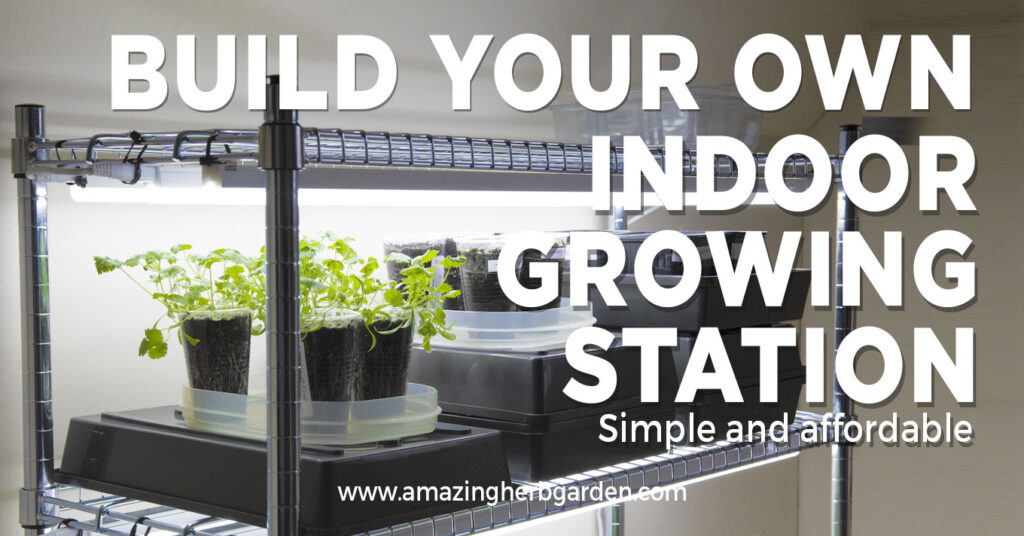
Starting an indoor garden can be a fantastic way to reconnect with nature, even in the harshest climates. Not only does it provide an opportunity to grow your favorite fruits and herbs, but it also adds a touch of serenity to your home.
However, as we begin this journey, we must ask ourselves: “How do I start an indoor garden?” The answer might surprise you – there’s no one-size-fits-all solution. But with the right guidance, you’ll be well on your way to creating a thriving oasis in the comfort of your own home.
Understanding the Needs of Your Plants
Before we dive into the nitty-gritty of indoor gardening, it’s crucial to understand what our plants need to survive and thrive. The most significant factor is light – without it, even the hardiest plants will struggle. In other words, without a source of light, your plant will grow tall and spindly, searching for its next fix of sunlight.
But that’s not all; without sufficient water or air circulation, your plant can quickly become stressed and succumb to diseases. In this article, we’ll explore each of these factors in-depth, providing you with the tools necessary to create a balanced and healthy indoor garden.
The Importance of Space
When it comes to creating an indoor garden, space is a significant consideration. The amount of space available will determine the type of plants you can grow and how they’re arranged. A small pot on a windowsill might be perfect for a single plant, but as your collection grows, so does your need for more space.
Here are some creative solutions to consider:
- Scaffolding: Make the most of vertical space by using scaffolding or trellises to support climbing plants.
- Shelves and bookcases: Repurpose furniture to create a tiered garden system that maximizes space without sacrificing style.
- Baskets and containers: Use woven baskets, wicker planters, or other decorative containers to add visual interest while keeping your plants organized.
Lighting: The Key to Healthy Plant Growth
Light is essential for photosynthesis, the process by which plants produce energy. Without sufficient light, even the most robust plants will struggle to thrive.
To achieve optimal results, consider the following lighting options:
- South-facing windows: These receive direct sunlight throughout the day and are ideal for plants that require intense light.
- Grow lights: Invest in high-quality grow lights specifically designed for indoor gardening. These can be placed near or above your plants to supplement natural light.
- Mirrors and reflective surfaces: Use mirrors and reflective surfaces to bounce light onto plants that might otherwise receive inadequate illumination.
Humidity: The Secret to Healthy Plant Growth
Humidity is a critical factor in maintaining healthy plant growth indoors. Overly dry environments can lead to stress, disease, and even death.
To combat low humidity levels:
- Nebulizers: Use a nebulizer to release fine mist onto your plants, mimicking natural rainfall.
- Vases with rocks: Place vases filled with rocks near your plants to increase evaporation and maintain humidity.
- Humidifiers: Consider investing in a humidifier specifically designed for indoor gardening.
Hydroponic Gardening: A Sustainable Alternative
In recent years, hydroponic gardening has become increasingly popular as a sustainable alternative to traditional soil-based methods. Hydroponics involves growing plants in water rather than soil, which can lead to faster growth rates and increased yields.
Some benefits of hydroponic gardening include:
- Increased yields: Plants grown using hydroponics can produce up to 50% more fruit and vegetables than those cultivated in soil.
- Water efficiency: Hydroponic systems use significantly less water than traditional farming methods, making them an attractive option for water-conscious gardeners.
- Reduced land usage: By growing plants in vertically stacked rows or containers, hydroponics can help reduce the amount of space required for gardening.
Conclusion
Starting an indoor garden is a journey that requires patience, dedication, and the right guidance. By understanding the needs of your plants, creating a balanced environment, and exploring innovative methods like hydroponic gardening, you’ll be well on your way to creating a thriving oasis in the comfort of your own home.
As you embark on this exciting adventure, remember:
- Start small: Begin with a few easy-to-grow plants and gradually expand your collection as you gain experience.
- Be patient: Indoor gardening is a process that requires time, effort, and perseverance. Don’t be discouraged by setbacks or initial failures – they’re an opportunity to learn and improve.
By embracing these principles and staying committed to the craft, you’ll unlock the full potential of indoor gardening and enjoy the many benefits it has to offer.
Frequently Asked Questions
- What is the best type of lighting for indoor gardening?
- The best type of lighting for indoor gardening depends on the specific needs of your plants. However, south-facing windows are often considered ideal, followed by grow lights specifically designed for indoor gardening.
- How do I maintain optimal humidity levels in my indoor garden?
- To combat low humidity levels, use a combination of nebulizers, vases with rocks, and humidifiers to increase evaporation and maintain the desired level of moisture.
- What are some benefits of hydroponic gardening?
- Hydroponic gardening offers several advantages, including increased yields, water efficiency, and reduced land usage.
Tips for Success
Here are some additional tips to ensure your indoor garden thrives:
- Monitor temperature: Most plants prefer daytime temperatures between 65-75°F (18-24°C) and nighttime temperatures around 55-65°F (13-18°C).
- Fertilize regularly: Use a balanced fertilizer specifically designed for indoor gardening to promote healthy growth.
- Prune regularly: Prune your plants regularly to maintain shape, promote healthy growth, and encourage fruiting.
Common Mistakes to Avoid
Some common mistakes to avoid when starting an indoor garden include:
- Overwatering: Be cautious not to overwater your plants, as this can lead to root rot and other problems.
- Underlighting: Make sure your plants receive sufficient light, especially if they’re sensitive to low light conditions.
- Inadequate air circulation: Ensure good air circulation around your plants by placing them away from walls and using fans or air vents.
By following these tips and avoiding common mistakes, you’ll be well on your way to creating a thriving indoor garden that brings joy and serenity to your life.


