
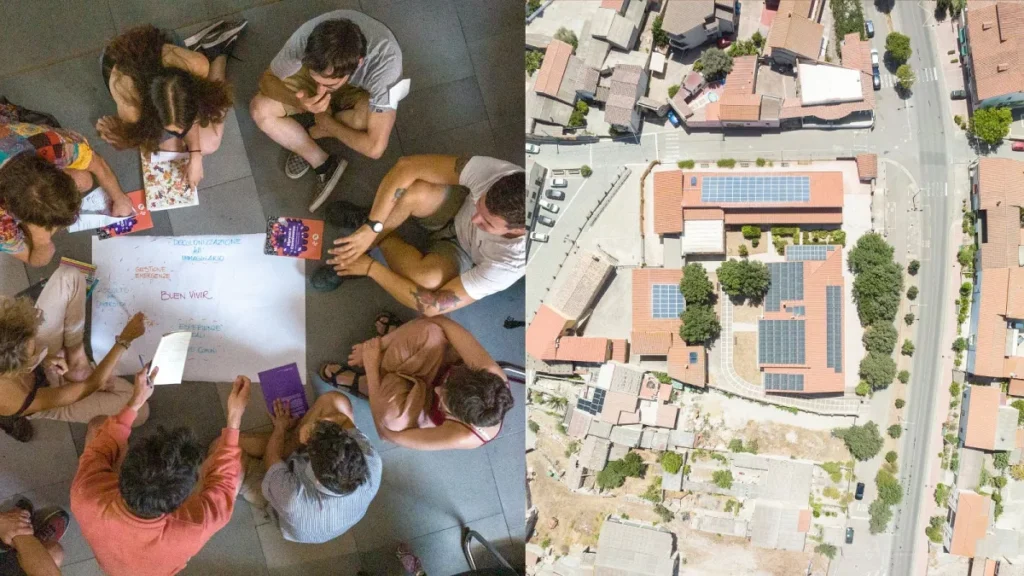
The European Union’s emphasis on green economy has led to exciting opportunities for young professionals across Europe. In Sardinia, a group of 45 recent graduates from the province of Sassari are set to embark on an extraordinary journey through the Leonardo da Vinci project, fostering a new generation of eco-leaders.
A Journey of Self-Discovery and Growth
The 13-week program promises to be a transformative experience for these young minds, offering them a unique opportunity to develop their skills in the global market. The project is designed to create a team of champions for green economy in the north-western Sardinia region, while providing them with invaluable hands-on experience.
During their participation in this program, participants will have access to expert mentorship and guidance, which will help shape their professional growth and aspirations. They will also be connected to a vast network of like-minded individuals, sharing similar interests and values. The goal is to create a support system that fosters collaboration, creativity, and innovation among the participants.
Meet the Ambitious Young Graduates
The selected participants are all under 35 years old and have been chosen from among the province’s top universities. They will spend their summer internships working in private companies and public institutions across Europe, including Belgium, Spain, Malta, and Cyprus.
These young graduates come from diverse backgrounds, with varying areas of expertise such as environmental engineering, sustainable agriculture, renewable energy, and green technology. Despite these differences, they share a common passion for sustainability and making a positive impact on the environment.
A Unique Blend of Education and Work Experience
The program aims to provide these young graduates with a comprehensive education on green economy, combined with hands-on work experience that will equip them with the skills required to make a real impact. The participants will have access to cutting-edge technology and innovative solutions, allowing them to develop their own ideas and projects.
Throughout the 13-week program, participants will engage in various activities such as workshops, seminars, and lectures on green economy topics. They will also participate in group discussions, brainstorms, and ideation sessions to help them refine their ideas and present them to potential clients or partners.
A Strong Support System
The project is being supported by the Province of Sassari, which has invested 50,000 euros in the initiative. This funding will help to ensure that the program runs smoothly and provides the necessary resources for the participants to succeed.
In addition to the financial support, the province has also committed to providing a dedicated team to oversee the program’s implementation and offer guidance and mentorship throughout the journey. The team consists of experienced professionals in various fields related to green economy, ensuring that participants receive expert advice and valuable insights throughout their participation in the program.
The Importance of Collaboration
The success of this project relies heavily on collaboration between private companies, public institutions, and local governments. The province’s commitment to working with all 66 municipalities has facilitated the development of the project, ensuring its widest possible reach.
The collaboration will enable participants to work with a diverse range of stakeholders, including entrepreneurs, researchers, policymakers, and community leaders. This diversity of perspectives and expertise will help shape innovative solutions that address real-world environmental challenges in Sardinia.
Empowering Local Communities
The final goal of the Leonardo da Vinci program is to empower local communities in the north-western Sardinia region to tackle environmental challenges using innovative and technology-driven approaches. The young graduates who participate in the program will become the leaders of this change, bringing their newfound knowledge and skills back to their hometowns.
Upon returning to Sardinia, participants will be encouraged to develop projects that can have a tangible impact on local communities. They may engage with community groups, businesses, or organizations to design and implement initiatives that promote sustainable practices and environmentally friendly solutions.
Conclusion
The Leonardo da Vinci project represents a significant step forward for green economy in Sardinia. By providing young professionals with the education and work experience they need to succeed, we can empower local communities to make a real difference in reducing their environmental impact.
As a result of this initiative, Sardinia will become a hub for innovation and sustainability, attracting businesses, entrepreneurs, and experts from across Europe. The project’s success will serve as a model for other regions, demonstrating the potential for green economy initiatives to drive positive change in local communities.
Case Study: Project Overview
Project Name: Sustainable Agriculture Initiative
Objective: To develop innovative solutions for sustainable agriculture practices in Sardinia, utilizing cutting-edge technology and green economy principles.
Methodology:
- Participants will conduct a literature review on sustainable agriculture practices and green technologies.
- They will engage in group discussions and ideation sessions to design a project that addresses specific environmental challenges faced by local farmers.
- The team will develop a detailed business plan, including market analysis, financial projections, and operational strategies.
Expected outcomes:
- Development of innovative solutions for sustainable agriculture practices in Sardinia.
- Creation of jobs and economic opportunities for local communities.
- Increased awareness about the importance of green economy among stakeholders.
Success Story: One Participant’s Experience
“I was part of a team that developed a project to create an urban farm in Sassari using hydroponics and aeroponics. We designed a system that uses minimal water resources, reduces energy consumption, and promotes biodiversity. The experience was incredible – I gained hands-on knowledge about sustainable agriculture practices and developed strong collaboration skills.
Upon returning to Sardinia, we were able to implement our project in a local park, providing fresh produce to the community and generating income for local farmers. This experience not only honed my professional skills but also empowered me to make a tangible impact on my hometown.”


