
Introduction
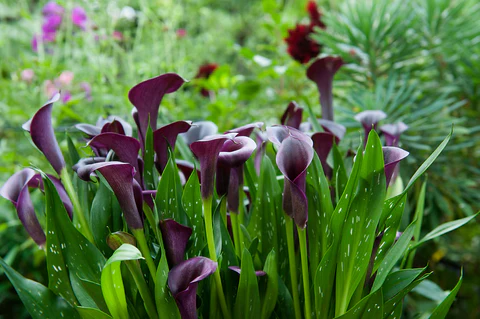
Calla lilies are a popular choice for gardeners and florists alike, known for their elegant white blooms and ability to thrive in a variety of conditions. But did you know that there’s more to calla lilies than just their showy flowers? In this article, we’ll delve into the world of calla lilies, exploring everything from their history and classification to care and maintenance.
The History and Classification of Calla Lilies
Calla lilies (Zantedeschia aethiopica) are native to South Africa, where they’ve been used for centuries in traditional medicine and as a decorative element. The plant’s scientific name is derived from the Greek words “zante” meaning flower pot and “schia” meaning yellow, due to its bright yellow flowers. Over time, calla lilies have been bred into various varieties, including those with colorful blooms like pink (Zantedeschia rehmannii) and white (Zantedeschia aethiopica).
Choosing the Right Variety of Calla Lily
When selecting a variety of calla lily, consider factors such as climate, light exposure, and desired bloom color. If you live in an area with full sun to partial shade, opt for varieties like Zantedeschia rehmannii or Zantedeschia elliottiana, which can tolerate high light levels. For those who prefer a more delicate appearance, white-blooming calla lilies (Zantedeschia aethiopica) are an excellent choice.
Preparing the Soil and Choosing a Container
Before planting your calla lily, ensure that the soil is well-draining and fertile. If you’re using a container, choose one with good drainage holes to prevent waterlogged soil. Fill the container with a high-quality potting mix specifically designed for flowering plants.
Planting Calla Lilies: A Step-by-Step Guide
To plant a calla lily, follow these steps:
- Select healthy bulbs: Choose fresh, firm bulbs with no signs of mold or rot.
- Prepare the container: Fill the container with potting mix, leaving about 1-2 inches at the top for watering.
- Plant the bulb: Place the bulb in the container, pointed end up, and cover it with soil.
- Water thoroughly: Water the bulb well after planting.
Care and Maintenance
To keep your calla lily thriving:
- Provide adequate light: Most calla lilies require bright, indirect light to produce vibrant blooms.
- Maintain proper temperature: Keep the soil between 65°F (18°C) and 75°F (24°C) during the day and around 55°F (13°C) at night.
- Water carefully: Water the bulb sparingly, as overwatering can lead to root rot. Allow the top inch of soil to dry out before watering again.
Tips for Optimal Bloom
To encourage blooming:
- Fertilize regularly: Feed your calla lily with a balanced fertilizer during the growing season (spring and summer).
- Deadhead flowers: Remove spent blooms to promote new growth and prevent seed production.
- Prune after bloom: Cut back the foliage after blooming to encourage new growth and maintain plant shape.
Common Problems and Solutions
If you encounter any issues with your calla lily:
- Pests: Inspect plants regularly for pests like aphids, mealybugs, or spider mites.
- Root rot: Avoid overwatering, and repot the plant in fresh potting mix if necessary.
- Leaf spot: Remove infected leaves to prevent spread of disease.
Conclusion
Growing calla lilies can be a rewarding experience, especially when done correctly. By understanding their needs and providing proper care, you can enjoy these stunning flowers for years to come. With the right guidance, anyone can become a master gardener of calla lilies.
FAQs
- How often should I water my calla lily?
Water your calla lily sparingly, allowing the top inch of soil to dry out before watering again. - What temperature range is ideal for growing calla lilies?
Most calla lilies thrive in temperatures between 65°F (18°C) and 75°F (24°C) during the day and around 55°F (13°C) at night. - Can I grow calla lilies indoors?
Yes, but ensure that they receive bright, indirect light to produce vibrant blooms. - How long do calla lily bulbs last?
Calla lily bulbs typically last for several years, with some varieties producing multiple blooms per year. - Can I grow calla lilies in containers?
Yes, but choose a container with good drainage holes and use a high-quality potting mix specifically designed for flowering plants. - What are some common pests that affect calla lilies?
Common pests include aphids, mealybugs, spider mites, and scale insects. - How do I prevent root rot in my calla lily?
Avoid overwatering, and repot the plant in fresh potting mix if necessary. - Can I propagate calla lilies from seed?
Yes, but this method can be time-consuming and may not produce consistent results.
Variety-Specific Care
Different varieties of calla lilies have unique requirements:
- Zantedeschia aethiopica: Prefers well-draining soil and partial shade.
- Zantedeschia rehmannii: Tolerates full sun to partial shade.
- Zantedeschia elliottiana: Requires bright, indirect light.
Pest Control
Regularly inspect your calla lily for signs of pests:
- Aphids: Look for small, soft-bodied insects on the leaves and stems.
- Mealybugs: Check for white, cottony patches on the leaves and stems.
- Spider mites: Inspect for fine webs on the leaves and stems.
Common Diseases
Fungal diseases can affect calla lilies:
- Root rot: Caused by overwatering or poor drainage.
- Leaf spot: Caused by fungal infections.
- Crown rot: Caused by fungal infections.
By understanding the unique needs of your calla lily variety and taking steps to prevent common problems, you can enjoy these stunning flowers for years to come.


