
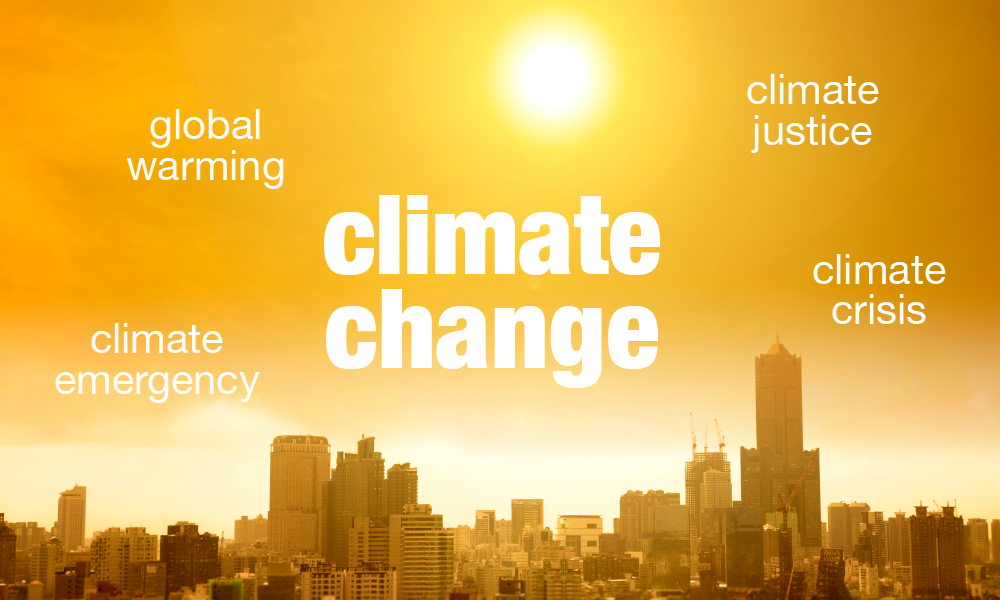
As the world grapples with the challenges of climate change, it’s time to rethink our language and terminology. The concept of “climate emergency” is gaining traction, and for good reason. It’s a more accurate and effective way to describe the crisis we’re facing.
The Guardian Initiative
In 2019, The Guardian launched an initiative to update its terminology on climate change. The goal was to use language that was more precise, powerful, and engaging. By substituting “climate change” with “climate emergency,” they aimed to convey the urgency and severity of the situation.
But why is this shift in language so important? As Dr. Katharine Viner, director of The Guardian, notes, “Climate change sounds too passive and gentle… We need a term that conveys the scale and gravity of the crisis.”
The Psychology of Language
Research suggests that our words have a profound impact on how we perceive and respond to information. A study by Spark Neuro found that people’s emotional responses to certain terms were significantly different. When participants heard “climate emergency,” they experienced a 60% stronger response than when they heard “climate change” or “global warming.”
This highlights the power of language in shaping our emotions, attitudes, and behaviors. By using more descriptive and evocative terms like “climate emergency,” we can tap into people’s emotional responses and create a sense of urgency that motivates action.
The Term “Crisis”
But what does it mean to say “climate crisis”? Is it just a euphemism for “environmental disaster”? Or is there more depth to this term?
While some argue that the term “crisis” has an anthropocentric connotation, focusing on human impacts rather than the climate itself, others see it as a necessary choice in the face of catastrophic consequences.
The Origins of the Term
The word “crisis” originates from ancient Greek, where κρίσις (krisis) meant “selection, decision.” In this sense, crisis implies a turning point or a critical moment of decision-making. This perspective highlights the importance of language in shaping our perceptions and guiding our actions.
Communicating Climate Change
So, how can we effectively communicate climate change to the public? By using language that’s clear, concise, and impactful. By choosing terms like “climate emergency” over more neutral or passive expressions.
This requires a nuanced approach, balancing rigor scientifico with incisività narrativa. It also means being mindful of our audience and tailoring our message accordingly.
Imagery Matters
The way we use images can significantly impact how our message is received. By using photos that illustrate the human impact of climate change, rather than just environmental devastation, we can create a more personal connection with our audience.
This approach also recognizes the power of storytelling in shaping our perceptions and behaviors. By sharing stories of resilience, hope, and action, we can inspire others to take collective responsibility for addressing this global challenge.
The Role of Media
Media plays a crucial role in shaping public opinion on climate change. By using compelling language and evocative imagery, journalists and media outlets can create a sense of urgency and motivation among the public.
However, the way we frame climate change stories also matters. By focusing on solutions rather than problems, we can inspire hope and action. This requires a shift in narrative from “climate change is bad” to “we have the power to mitigate its effects.”
The Importance of Personal Experience
Personal experience is a powerful motivator for taking action on climate change. By sharing stories of individuals who are living through the impacts of climate change, we can create a sense of urgency and connection.
This requires us to listen to and amplify the voices of those most affected by climate change. By centering their experiences and perspectives, we can create a more nuanced understanding of the crisis and inspire collective action.
Conclusion
The climate emergency is a crisis that requires our immediate attention. By adopting a more precise and evocative language, we can create a sense of urgency and motivation among the public. It’s time to rethink our terminology and communicate climate change in a way that resonates with people’s emotions and values.
Frequently Asked Questions
- What is a climate emergency?
A climate emergency refers to the catastrophic consequences of human activities on the environment, including rising temperatures, sea-level rise, and extreme weather events.
- Why do we need a new terminology for climate change?
The current term “climate change” can be seen as too passive and gentle, conveying a sense of gradual warming rather than the urgent crisis we face today.
- What is the impact of language on our emotions and behaviors?
Research shows that our words have a significant impact on how we perceive and respond to information, influencing our emotions, attitudes, and actions.
- Can we use the term “crisis” effectively?
The term “crisis” implies a turning point or critical moment of decision-making, highlighting the importance of language in shaping our perceptions and guiding our actions.
- How can we communicate climate change effectively?
By using clear, concise, and impactful language; choosing terms like “climate emergency”; using imagery that illustrates human impact; and sharing stories of resilience and hope.
- What role does storytelling play in shaping our perceptions and behaviors?
Storytelling has the power to inspire others to take collective responsibility for addressing global challenges, including climate change.
- How can we balance rigor scientifico with incisività narrativa?
By using language that’s both scientifically accurate and compelling, creating a narrative that resonates with people’s emotions and values.
- What is the relationship between language and power?
Our words have the power to shape our perceptions and influence others’ behaviors, emphasizing the importance of language in shaping our collective future.
Recommendations for Effective Communication
- Use clear, concise language that conveys urgency and motivation.
- Choose terms like “climate emergency” over more neutral or passive expressions.
- Use imagery that illustrates human impact to create a personal connection with your audience.
- Share stories of resilience, hope, and action to inspire collective responsibility.
- Balance rigor scientifico with incisività narrativa by using language that’s both scientifically accurate and compelling.
By following these recommendations, we can effectively communicate climate change in a way that resonates with people’s emotions and values. It’s time to rethink our terminology and take collective action to address this global challenge.


