
Introduction
Hydrangeas are popular flowering shrubs that can add a touch of elegance to any garden or indoor space. However, planting and caring for hydrangeas can be a daunting task, especially for beginners. In this article, we will provide you with a step-by-step guide on how to plant hydrangeas, including the best practices for soil preparation, watering, pruning, and fertilization.
Understanding Hydrangea Requirements
Before we dive into the planting process, it’s essential to understand the basic requirements of hydrangeas. These plants thrive in partial shade to full sun, depending on the variety. They prefer moist, well-draining soil with a pH range of 6.0-7.0.
Choosing the Right Location
When selecting a location for your hydrangea, consider the following factors:
- Sunlight: Hydrangeas prefer partial shade to full sun, depending on the variety.
- Soil: Well-draining soil with a pH range of 6.0-7.0 is ideal for hydrangeas.
- Wind protection: Hydrangeas can be sensitive to wind, so choose a location that provides some protection.
Planting Hydrangeas
Now that we’ve covered the basics, let’s move on to planting your hydrangea:
- Prepare the soil: Before planting, prepare the soil by loosening it to a depth of about 12 inches.
- Select the right root system: Hydrangeas come in two main types: compact and non-compact. Compact hydrangeas have smaller roots and are ideal for containers or small gardens.
- Plant at the right time: Spring and fall are the best times to plant hydrangeas, as the weather is mild and rainfall is more frequent.
- Water thoroughly: After planting, water your hydrangea thoroughly to settle the soil.
Pruning and Fertilization
To keep your hydrangea healthy and thriving, regular pruning and fertilization are necessary:
- Pruning: Prune your hydrangea in late winter or early spring to maintain its shape and promote new growth.
- Fertilization: Fertilize your hydrangea once a month during the growing season with a balanced fertilizer.
Pest and Disease Management
Hydrangeas are susceptible to pests and diseases, such as aphids, whiteflies, and root rot. Regular monitoring and prompt action can help prevent these issues:
- Monitor for pests: Keep an eye out for signs of pests, such as holes in leaves or white residue on stems.
- Use organic controls: When using pesticides, opt for organic options to minimize harm to the environment.
Common Hydrangea Problems
Here are some common problems that may affect your hydrangea:
- Leaf drop: If your hydrangea is dropping its leaves, it may be due to underwatering or exposure to extreme temperatures.
- Brown tips: Brown tips on leaves can indicate overfertilization or underwatering.
Variations of Hydrangeas
There are several types of hydrangeas available, each with its unique characteristics:
- Bigleaf hydrangea: Also known as the “true” hydrangea, this variety has large, showy flowers.
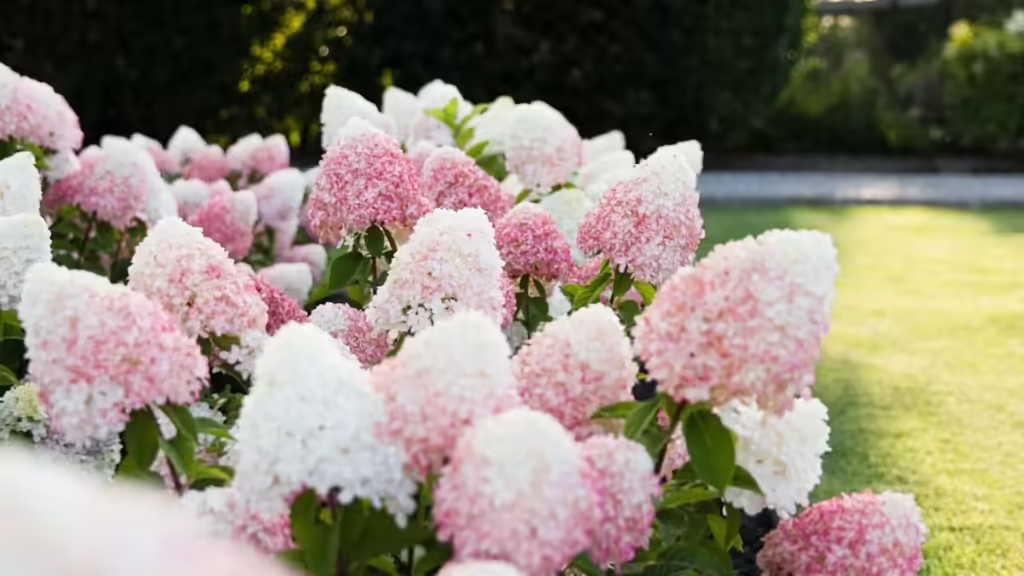
- Panicle hydrangea: This type of hydrangea produces long, cone-shaped flowers that are less common in gardens.
- Oakleaf hydrangea: As its name suggests, this variety has oak-like leaves and produces smaller, more delicate flowers.
Care for Specific Hydrangea Varieties
Each type of hydrangea requires specific care:
- Bigleaf hydrangeas: These plants prefer moist soil and partial shade to full sun.
- Panicle hydrangeas: Panicle hydrangeas are more tolerant of heat and dryness than other varieties.
- Oakleaf hydrangeas: Oakleaf hydrangeas require slightly acidic soil and partial shade.
Variation in Flower Color
Hydrangeas come in a range of colors, including pink, blue, white, and purple. The flower color is determined by the pH level of the soil:
- Blue flowers: Hydrangeas produce blue flowers when grown in alkaline soils (pH above 7.0).
- Pink flowers: Pink flowers are produced in acidic soils (pH below 6.5).
- White and purple flowers: White and purple flowers can be produced in a range of soil pH levels.
Conclusion
Planting and caring for hydrangeas requires attention to detail, but with the right guidance, you can enjoy these beautiful flowers in your garden or indoor space. By understanding their requirements, choosing the right location, planting at the right time, pruning regularly, fertilizing monthly, monitoring for pests, and addressing common problems, you’ll be well on your way to becoming a hydrangea expert.
Frequently Asked Questions (FAQs)
- What is the best time to plant hydrangeas?
- Spring and fall are the best times to plant hydrangeas.
- How often should I water my hydrangea?
- Water your hydrangea thoroughly after planting, and then water it once a week during the growing season.
- Can I grow hydrangeas in containers?
- Yes, compact hydrangeas are ideal for containers or small gardens.
- How often should I prune my hydrangea?
- Prune your hydrangea in late winter or early spring to maintain its shape and promote new growth.
- Can I grow hydrangeas indoors?
- Yes, but they require more attention due to their sensitivity to light and temperature fluctuations.
By answering these common questions, you’ll be able to provide the best care for your hydrangea and enjoy its beauty for years to come.


