
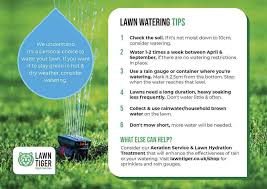
As the summer months approach, maintaining a lush and healthy lawn can be a daunting task. One of the most crucial aspects of lawn care is irrigation management. In this article, we will delve into the world of lawn irrigation, exploring its importance, benefits, and providing practical tips on how to optimize your lawn’s watering schedule.
Understanding Lawn Irrigation Needs
Lawn irrigation can be a challenging task, especially during hot summer months when frequent watering is necessary. However, if the frequency of mowing decreases, irrigations become more frequent, leading to an imbalance in the lawn’s water needs. It is essential to strike a balance between providing enough moisture and avoiding overwatering.
Factors Affecting Lawn Irrigation Needs
When determining how often to water your lawn, it’s crucial to consider two primary factors: latitude and climate. Latitude refers to the distance from the equator, while climate considers the region’s temperature and precipitation patterns. While there is no one-size-fits-all answer to this question, here are some general guidelines:
- In areas with high temperatures and low humidity, such as in tropical regions, lawns require more frequent irrigation (every 4-5 days).
- In temperate climates with moderate temperatures and adequate rainfall, lawns can be watered every 5-7 days during the autumn months.
- Before determining your lawn’s watering schedule, consider its initial moisture levels. If the soil is already damp, it may not require as much water.
Optimizing Lawn Irrigation Systems
There are two primary types of irrigation systems: automatic and manual. Automatic systems involve installing a timer-activated sprinkler system, which is ideal for large lawns or those with frequent visitors (e.g., golf courses). Manual systems, on the other hand, require more physical effort but can be just as effective.
- Automatic Irrigation Systems: These systems use timers and sensors to adjust watering schedules based on weather conditions. They are perfect for busy homeowners who want their lawns to look great without constant supervision.
- Manual Irrigation Systems: While manual irrigation requires more physical labor, it can be an excellent option for small lawns or those with limited water resources.
Tips for Effective Lawn Irrigation
Regardless of the type of irrigation system you choose, there are several tips to keep in mind:
- Water Your Lawn in the Morning or Evening: Avoid watering your lawn during peak sun hours to minimize evaporation and runoff.
- Use Drip Irrigation: This method delivers water directly to the roots of plants, reducing waste and runoff.
- Avoid Overwatering: Monitor your lawn’s moisture levels regularly to avoid overwatering, which can lead to nutrient deficiencies and disease.
Lawn Irrigation for Large Lawns
For lawns with large areas or irregular shapes, consider installing an irrigation system that extends below the soil surface. These systems typically involve connecting a hose to a timer-activated sprinkler head, allowing water to flow through underground pipes.
- Subsurface Irrigation: This method involves digging trenches and laying pipes beneath the lawn. It’s ideal for large lawns with complex shapes or those that require frequent watering.
- Drip Irrigation Systems: These systems involve installing a network of tubes and emitters throughout the lawn, delivering water directly to the roots.
Choosing the Right Irrigation System
When selecting an irrigation system, consider the following factors:
- Lawn Size: Larger lawns require more extensive irrigation systems.
- Climate: Areas with high temperatures and low humidity require more frequent watering.
- Budget: Set a budget and choose a system that fits within it.
Installation Considerations
Before installing an irrigation system, consider the following factors:
- Soil Type: Different soil types require different irrigation systems.
- Lawn Shape: Lawns with complex shapes may require more extensive irrigation systems.
- Water Pressure: Ensure the water pressure in your area is sufficient for the irrigation system.
Maintenance and Repair
Regular maintenance and repair are crucial to ensuring your lawn’s irrigation system operates efficiently:
- Check for Leaks: Regularly check for leaks in pipes and hoses to prevent waste and overwatering.
- Clean Filter Heads: Clean filter heads regularly to ensure water flows freely.
Conclusion
Lawn irrigation is an essential aspect of maintaining a healthy and beautiful lawn. By understanding your lawn’s specific needs and choosing the right irrigation system, you can ensure your lawn receives the perfect amount of moisture for optimal growth. Whether you prefer automatic or manual systems, there are many options available to suit your needs.
Frequently Asked Questions (FAQs)
-
How often should I water my lawn?
- The frequency of watering depends on factors such as latitude, climate, and initial moisture levels.
-
What is the best type of irrigation system for my lawn?
-
Choose an automatic or manual system based on your specific needs, including lawn size and complexity.
-
How can I avoid overwatering my lawn?
-
Monitor moisture levels regularly and adjust watering schedules accordingly to prevent nutrient deficiencies and disease.
-
What is drip irrigation, and how does it work?
-
Drip irrigation delivers water directly to the roots of plants, reducing waste and runoff.
-
Can I install a subsurface irrigation system for my large lawn?
-
Yes, but it requires digging trenches and laying pipes beneath the lawn.
Common Lawn Irrigation Mistakes
There are several common mistakes people make when it comes to lawn irrigation:
- Overwatering: This can lead to nutrient deficiencies, disease, and an increase in water bills.
- Underwatering: This can result in a drought-stressed lawn that is prone to disease and pests.
- Ignoring Moisture Levels: Failing to monitor moisture levels can lead to over- or underwatering.
Best Practices for Lawn Irrigation
To ensure your lawn receives the perfect amount of moisture, follow these best practices:
- Water Early in the Morning: Avoid watering during peak sun hours to minimize evaporation and runoff.
- Use a Rain Sensor: Consider installing a rain sensor that automatically adjusts watering schedules based on precipitation patterns.
- Monitor Soil Moisture: Regularly monitor soil moisture levels to adjust watering schedules accordingly.


